

 Olja på dukVäggkonstPost-Impressionism
 1866Senmedeltid
 167.0 x 105.0 cm
 Chrysler Museum of Art
Giclée- eller canvasprint av museumskvalitet med snabb produktion och flexibla ytbehandlingsalternativ. ( Beställ handmålad reproduktion Köp högupplöst bild)





























Välj bland våra förinställda storlekar som motsvarar konstverkets ursprungliga proportioner.

Du kan ange egna mått för att passa en specifik ram eller yta. Om det valda måttet inte överensstämmer med originalbildens proportioner kommer vi antingen att beskära konstverket eller utöka bilden med en speglad eller enfärgad kant. En digital mockup skickas för ditt godkännande innan produktionen påbörjas.
Vänligen notera att förhandsvisningen på skärmen inte återspeglar den faktiska beskärningen eller utökningen. Endast mockuppen visar den slutgiltiga kompositionen korrekt.
Även om anpassade storlekar är möjliga, rekommenderar vi att du väljer ett mått från den fördefinierade listan för att bevara de ursprungliga proportionerna.
Leverans över hela världen () på 2 veckor istället för standard 4/5 veckor. (24 augusti)


Bather and Rocks
Storlek på reproduktion
Paul Cézanne's "Bather and Rocks," a captivating fragment salvaged from a monumental mural conceived during his time in southern France, offers an immediate and powerful encounter. More than just a depiction of a nude figure, it’s a distilled essence of Cézanne’s revolutionary approach to painting – a deliberate rejection of academic conventions in favor of capturing the fundamental structure of reality. Painted in 1866, this piece embodies his evolving exploration of form, color, and light, foreshadowing the burgeoning movements that would follow. The scene unfolds with an almost violent energy; the heavily muscled nude, seemingly poised on a precarious rock formation, confronts a colossal, looming boulder, as if battling against the relentless force of rushing water. This isn’t a tranquil pastoral scene; it's imbued with a sense of struggle and dynamism – a testament to Cézanne’s desire to represent not just what he saw, but how he *felt* about what he saw.
It’s crucial to understand that “Bather and Rocks” exists as a fragment of something far grander. At the time of its creation, Cézanne was transforming the walls of an 18th-century mansion into a vast landscape – a project that reflected his fascination with the natural world and his ambition to synthesize observation and imagination. The mural’s eventual dismantling in 1907, and subsequent sale of this particular section, underscores the artist's deliberate choice to isolate this powerful image. This detachment, however, doesn’t diminish its impact; rather, it concentrates the energy and intensity of Cézanne’s vision, allowing viewers to contemplate the figure and the rock in a more intimate way. The fact that it was removed from its original context adds an element of mystery – we are left with a tantalizing glimpse into a larger, unfinished world.
Cézanne’s technique is immediately recognizable and profoundly influential. He employed a method of building up forms through small, broken brushstrokes—often applied in parallel directions—creating an illusion of solidity and depth. Notice how he uses planes of color to define the rock face, layering hues to suggest volume and texture. The water itself isn't rendered with smooth transitions; instead, it’s depicted as a series of overlapping strokes, conveying its movement and force. This deliberate fragmentation of form – a hallmark of Cézanne’s style – paved the way for Cubism and profoundly impacted 20th-century art. The use of oil on canvas, transferred from plaster, highlights the tactile quality of his work, inviting us to imagine the artist's hands shaping the image directly onto the surface.
While seemingly simple in its composition, “Bather and Rocks” is rich with symbolic potential. The nude figure can be interpreted as a representation of humanity confronting nature – a struggle for survival, perhaps, or an assertion of strength against overwhelming forces. The rock itself acts as both obstacle and support, symbolizing resilience and the enduring power of the natural world. The painting’s emotional impact is undeniably visceral; it evokes feelings of awe, vulnerability, and a deep connection to the elemental forces of nature. Cézanne wasn't simply depicting a scene; he was conveying an experience – a profound meditation on the relationship between man and his environment.
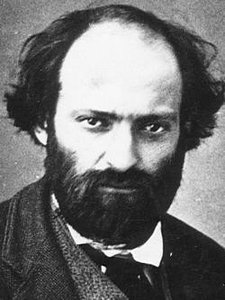
1839 - 1906 , Frankrike
Utforska Paul Cézannes 25 mest ikoniska målningar! Fördjupa dig i impressionismens värld, från Mont Sainte-Victoire till stillsben. Hitta inspiration & museumkvalitativa konsttryck på BuyPopArt.com.
Upptäck de 10 mest ikoniska impressionistiska landskapsmålningarna av Monet, Renoir & Van Gogh. Lär känna historien bakom mästerverken och hitta inspiration för din inredning på BuyPopArt.se – museumkvalitet hem till dig!
Explore the rich history of landscape art with BuyPopArt. Discover renowned artists, movements like Impressionism & Romanticism, and expert guidance for collecting timeless pieces. Find your perfect serene escape today!

Explore the rich history of landscape art with BuyPopArt. Discover renowned artists, movements like Impressionism & tonalism, and expert guidance for collecting timeless pieces. Find your perfect serene escape today!

Upptäck impressionismens magi! Utforska 10 ikoniska verk av Monet, Renoir & Degas. Lär känna historien bakom mästerverken och hitta inspiration till din inredning med konsttryck från BuyPopArt.com.


Håll dig uppdaterad med de senaste konstnyheterna, exklusiva erbjudanden och inredningsidéer.
Berätta om ditt projekt så kommer våra konstexperter att ge dig 3 personliga konstförslag.
Vi skapar ett urval av 3 alternativ helt anpassat för dig – gratis!


 Förhandsvisa
 Skicka
 Dela
Dela
 Visa detaljer

 Ladda ner
 Liknande objekt
 Röntgen
 Bildspel
 Visa mer







 Glasalternativet är endast tillgängligt i storlekar under 110 cm.


