Olja på dukVäggkonstPost-Impressionist Style
 1877talet
 65.0 x 81.0 cm
 Szépművészeti Múzeum
Handmålad olja på duk i din valda storlek och ram, tillverkad efter beställning av våra konstnärer. ( Beställ tryck Köp högupplöst bild)





























Välj bland våra förinställda storlekar som motsvarar konstverkets ursprungliga proportioner.

Du kan ange egna mått för att passa en specifik ram eller yta. Om den valda storleken inte matchar originalbildens proportioner kommer vi antingen att beskära konstverket eller utöka målningen med ytterligare handmålade element. En digital skiss skickas till dig för godkännande innan produktionen påbörjas.
Observera att förhandsvisningen på skärmen inte återspeglar den faktiska beskärningen eller utökningen. Endast skissen visar den slutgiltiga kompositionen korrekt.
Även om anpassade storlekar är möjliga, rekommenderar vi att du väljer en dimension från den fördefinierade listan för att bevara originalproportionerna.
Leverans över hela världen () på 3–4 veckor istället för standard 5 veckor. (15 augusti). Inga kompromisser med kvaliteten.


The Buffet
Storlek på reproduktion
In the quietude of Paul Cézanne's "The Buffet," painted in 1877, we encounter far more than a mere arrangement of fruit and tableware. This masterpiece serves as a profound testament to a pivotal moment in art history, where the fleeting light of Impressionism began to coalesce into something much more structural and enduring. At first glance, the canvas presents a humble scene: a table laden with oranges, a bottle of wine, and delicate cups set against the domestic backdrop of dining chairs. Yet, beneath this deceptive simplicity lies a defiant assertion that the most commonplace objects can hold immense intellectual and aesthetic weight. For the discerning collector or interior designer, this work offers a sophisticated anchor, bringing a sense of timeless stability and intellectual depth to any curated space.
Cézanne’s journey during this period was one of intense metamorphosis. While he initially drew inspiration from the vibrant, ephemeral palettes of his contemporaries like Monet and Renog, he found himself yearning for a more permanent truth. In "The Buffet," we see the early tremors of his departure from pure Impressionism. Rather than merely capturing the optical sensation of light hitting a surface, Cézanne began to prioritize the sculptural quality of form. He utilized bolder brushstrokes and a deliberate flattening of perspective, techniques that would eventually pave the way for the radical fragmentation of Cubism. This approach transforms the still life into a study of volume and weight, inviting the viewer to appreciate the physical presence of each object.
Every element within this composition has been meticulously placed to achieve a state of visual equilibrium. The oranges, a recurring motif throughout Cézanne's celebrated oeuvre, act as vibrant beacons of color that symbolize fertility, abundance, and the artist's own burgeoning aspirations for success. They provide a rhythmic pulse to the painting, drawing the eye across the tabletop. Beside them, the wine bottle serves as a subtle nod to his camaraderie with the Impressionist circle, representing both a connection to his artistic roots and a symbol of the shared culture of French life. The careful arrangement of the cups and the central bowl creates a sense of architectural stability, a deliberate contrast to the more fluid and unstructured compositions of his peers.
For those seeking to integrate fine art into a modern interior, "The Buffet" offers an unparalleled emotional impact. It possesses a unique ability to command attention through its quiet strength rather than through loud or chaotic imagery. The painting evokes a sense of calm, groundedness, and contemplative luxury. Whether placed in a sunlit breakfast nook or as a focal point in a formal dining room, a high-quality reproduction of this work brings with it the prestige of the Post-Impressionist movement. It is an invitation to slow down, to observe the beauty in the mundane, and to appreciate the enduring power of structured, thoughtful composition.
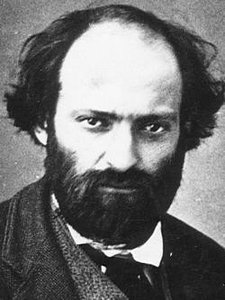
1839 - 1906 , Frankrike
Utforska Paul Cézannes 25 mest ikoniska målningar! Fördjupa dig i impressionismens värld, från Mont Sainte-Victoire till stillsben. Hitta inspiration & museumkvalitativa konsttryck på BuyPopArt.com.

Upptäck impressionismens magi! Utforska 10 ikoniska verk av Monet, Renoir & Degas. Lär känna historien bakom mästerverken och hitta inspiration till din inredning med konsttryck från BuyPopArt.com.

Explore the profound emotional depth & innovative techniques of Post-Impressionism with BuyPopArt. Discover Cézanne, Van Gogh, Gauguin & more – and their lasting impact on modern art.

Elevate your wine cellar or tasting room with curated art! Expert guidance on landscape paintings, symbolism & lighting to enhance the oenological experience. Discover how art transforms spaces and tells your winery's story.

Explore the captivating world of Impressionism! Discover its history, key artists like Monet & Renoir, defining techniques, and lasting impact on modern art. Expert insights for collectors.


Håll dig uppdaterad med de senaste konstnyheterna, exklusiva erbjudanden och inredningsidéer.
Berätta om ditt projekt så kommer våra konstexperter att ge dig 3 personliga konstförslag.
Vi skapar ett urval av 3 alternativ helt anpassat för dig – gratis!


 Förhandsvisa
 Skicka
 Dela
Dela
 Visa detaljer

 Ladda ner
 Liknande objekt
 Röntgen
 Bildspel
 Visa mer







 Glasalternativet är endast tillgängligt i storlekar under 110 cm.