


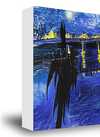
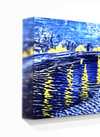
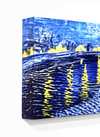
Giclée- eller canvasprint av museumskvalitet med snabb produktion och flexibla ytbehandlingsalternativ. ( Byt till handmålad målning Byt till bild)
Välj bland våra förinställda storlekar som motsvarar konstverkets ursprungliga proportioner.

Du kan ange egna mått för att passa en specifik ram eller yta. Om det valda måttet inte överensstämmer med originalbildens proportioner kommer vi antingen att beskära konstverket eller utöka bilden med en speglad eller enfärgad kant. En digital mockup skickas för ditt godkännande innan produktionen påbörjas.
Vänligen notera att förhandsvisningen på skärmen inte återspeglar den faktiska beskärningen eller utökningen. Endast mockuppen visar den slutgiltiga kompositionen korrekt.
Även om anpassade storlekar är möjliga, rekommenderar vi att du väljer ett mått från den fördefinierade listan för att bevara de ursprungliga proportionerna.
Leverans över hela världen () på 2 veckor istället för standard 4/5 veckor. (4 augusti)


Mrs William Pyper
Reproduktionsstorlek
In the annals of Scottish art history, few names evoke such a poignant sense of fleeting brilliance as Robert Brough. A painter whose life was tragically brief, spanning only from 1872 to 1905, Brough managed to capture the very essence of Victorian Aberdeen with a sensitivity that transcended the rigid academicism of his era. Born near Invergordon in the rugged beauty of Ross and Cromarty, he carried within him a vision that sought to bridge the gap between the venerable traditions of his homeland and the burgeoning modernism sweeping through Europe. His work remains a testament to a soul caught between the structured dignity of the past and the vibrant, emotive possibilities of the future.
Brough’s artistic journey was deeply rooted in the soil of Scottish tradition, yet it was never confined by it. His formal training at the Glasgow School of Art provided him with a formidable technical foundation, most notably through his studies under the influence of the legendary portraitist Henry Raeburn. From this encounter, Brough inherited a profound respect for the psychological depth of his subjects and a mastery of capturing authentic human emotion. However, where his predecessors might have sought a static perfection, Brough pursued something far more elusive: the atmospheric mood. He looked toward the Parisian avant-garde, absorbing the light-drenched lessons of Impressionism and the dreamlike enigmas of Symbolism, weaving these international influences into the fabric of his Scottish sensibilities.
As Brough established himself within the artistic circles of Aberdeen, his style underwent a remarkable evolution, moving away from mere representation toward a more expressive, visceral language. He became a master of color, utilizing a palette that could shift from somber, muted tones to sudden, breathtaking bursts of luminosity. His canvases were not merely depictions of people or scenes; they were vessels for feeling. In his portraits, one finds an intimate connection with the sitter, achieved through delicate brushstrokes and a sophisticated use of light that seems to pulse with life.
This mastery is perhaps most evident in his celebrated works, where the boundaries between reality and imagination begin to blur:
Though his career was cut short by his untimely death at the age of thirty-two, Robert Brough left behind an oeuvre that continues to resonate with a singular, haunting beauty. He was an artist who refused to be stagnant, constantly experimenting with the interplay of light and shadow to express the inner complexities of his subjects. His ability to blend the formal requirements of portraiture with the emotive freedom of modern movement allowed him to document Victorian society not just as it appeared, but as it felt.
Today, Brough is remembered not merely as a regional painter, but as a visionary Scot who dared to infuse traditional subjects with a modern, luminous spirit. His works, held in prestigious collections such as Tate Britain, serve as vital links to a transformative period in art history. To look upon a Brough painting is to witness the struggle and the triumph of an artist striving to capture the ephemeral—the fleeting light, the passing emotion, and the enduring soul of a changing world.

1872 - 1905


Håll dig uppdaterad med de senaste konstnyheterna, exklusiva erbjudanden och inredningsidéer.
Berätta om ditt projekt så kommer våra konstexperter att ge dig 3 personliga konstförslag.
Vi skapar ett urval av 3 alternativ helt anpassat för dig – gratis!


 Visa i rummet
 Skicka
 Dela
Dela
 Detaljer

 Ladda ner
 Liknande objekt
 Röntgen
 Bildspel
 Läs mer
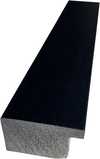
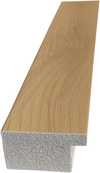
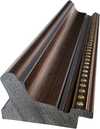
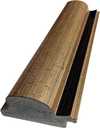
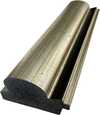
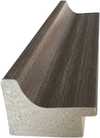
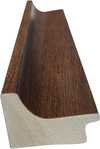
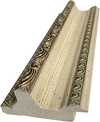
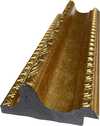
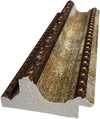
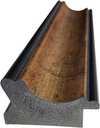
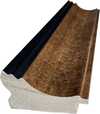
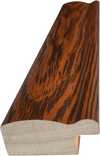
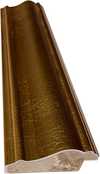
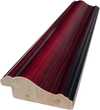
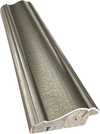
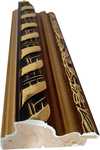
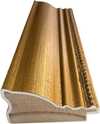
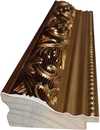
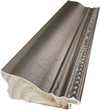
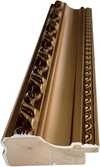
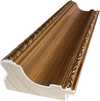
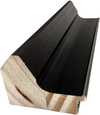
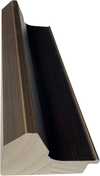
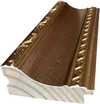
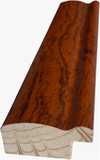
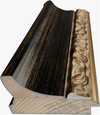
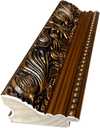
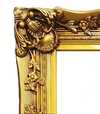
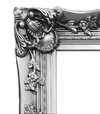
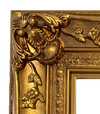
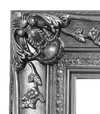
 Glasalternativet är endast tillgängligt i storlekar under 110 cm.


