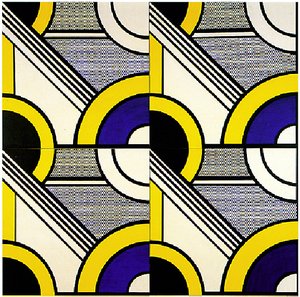
Giclée- eller canvasprint av museumskvalitet med snabb produktion och flexibla ytbehandlingsalternativ. ( Byt till handmålad reproduktion Byt till bild)
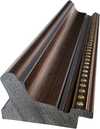
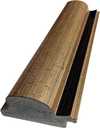
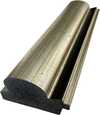
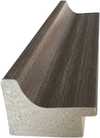
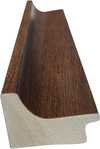
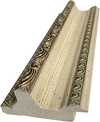
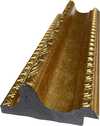
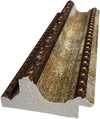
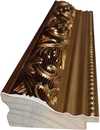
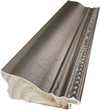
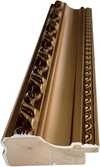
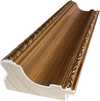
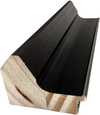
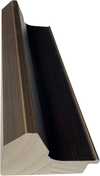
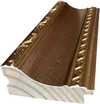
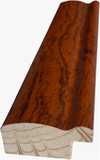
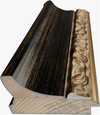
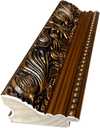
Välj bland våra förinställda storlekar som motsvarar konstverkets ursprungliga proportioner.

Du kan ange egna mått för att passa en specifik ram eller yta. Om det valda måttet inte överensstämmer med originalbildens proportioner kommer vi antingen att beskära konstverket eller utöka bilden med en speglad eller enfärgad kant. En digital mockup skickas för ditt godkännande innan produktionen påbörjas.
Vänligen notera att förhandsvisningen på skärmen inte återspeglar den faktiska beskärningen eller utökningen. Endast mockuppen visar den slutgiltiga kompositionen korrekt.
Även om anpassade storlekar är möjliga, rekommenderar vi att du väljer ett mått från den fördefinierade listan för att bevara de ursprungliga proportionerna.
Leverans över hela världen () på 2 veckor istället för standard 4/5 veckor. (30 juli)


Bugs Bunny
Storlek på reproduktion
Roy Lichtenstein’s “Bugs Bunny” isn’t merely a depiction of the iconic cartoon character; it’s a meticulously crafted embodiment of the Pop Art movement’s revolutionary approach to imagery and representation. Executed in 1957, this painting captures Bugs Bunny in a moment of calculated menace – his open mouth, exaggerated teeth, and piercing gaze transforming the beloved rabbit into a potent symbol of American popular culture. The work stands as a testament to Lichtenstein's ability to elevate everyday subjects—in this case, a cartoon character—to the level of high art, challenging traditional notions of artistic merit and demanding attention to the visual language of mass media.
“Bugs Bunny” is deeply embedded within the context of 1950s America, a period defined by burgeoning consumer culture, mass media saturation, and the rise of popular entertainment. Bugs Bunny himself was—and remains—a cornerstone of this cultural landscape, representing irreverence, cunning, and ultimately, American ingenuity. Lichtenstein’s choice to depict him in an aggressive pose – a rare moment of vulnerability for the typically cheerful character – adds another layer of complexity. This deliberate subversion of the cartoon's established persona speaks to Pop Art’s broader critique of idealized representations and its embrace of the commonplace.
Created in 1957, “Bugs Bunny” emerged during a pivotal moment in art history. Roy Lichtenstein was at the forefront of the Pop Art movement, alongside artists like Andy Warhol and Claes Oldenburg. This movement challenged the dominance of Abstract Expressionism and sought to engage with contemporary culture through the appropriation of imagery from advertising, comic books, and popular media. Lichtenstein’s work has had a profound influence on subsequent generations of artists, solidifying his place as one of the 20th century's most important and influential figures. This reproduction offers a direct connection to this groundbreaking artistic movement, allowing you to experience Lichtenstein's innovative approach firsthand.

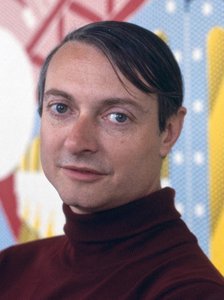
1923 - 1997 , USA
Upptäck hur du elegant integrerar popkonst i ditt hem! Expertguide till tematisk kurering, konstnärsval & inramning för en sofistikerad interiör. Kvalitetsreproduktioner & personlig rådgivning.
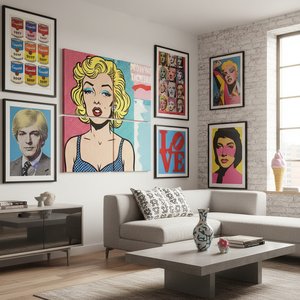
Utforska popkonstens 10 mest inflytelserika mästerverk! Lär känna Andy Warhol, Roy Lichtenstein och andra pionjärer. Hitta inspiration & museumkvalitativa konsttryck på BuyPopArt.com. Upptäck hela samlingen online!
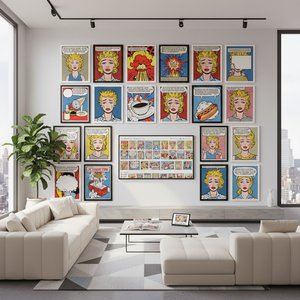
Utforska Roy Lichtensteins 25 mest ikoniska popkonstverk! Lär känna historien bakom ben-day dots, serietidningsstilen och färgerna som definierade en era. Hitta inspiration & museumkvalitativa konsttryck på BuyPopArt.com.
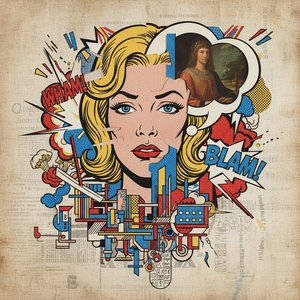
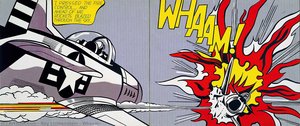
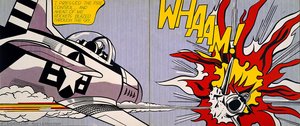
Explore Roy Lichtenstein's revolutionary Pop Art! Discover the story behind Ben-Day dots, iconic works like 'Whaam!', and investment insights for collectors. Expert analysis & high-quality reproductions at BuyPopArt.

Elevate your interiors with impactful statement walls! Expert guide on scaling artwork for perfect proportions & design harmony. Custom solutions & free consultations at BuyPopArt.


Håll dig uppdaterad med de senaste konstnyheterna, exklusiva erbjudanden och inredningsidéer.
Berätta om ditt projekt så kommer våra konstexperter att ge dig 3 personliga konstförslag.
Vi skapar ett urval av 3 alternativ helt anpassat för dig – gratis!


 Förhandsvisa
 Skicka
 Dela
Dela
 Visa detaljer

 Ladda ner
 Liknande objekt
 Röntgen
 Bildspel

 Visa mer
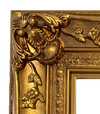
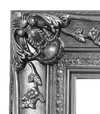
 Glasalternativet är endast tillgängligt i storlekar under 110 cm.