

 GouacheWallArtExpressionism
 1934Modern
 14.0 x 25.0 cm
 Aichi Prefectural Museum of Art
Sanatçılarımız tarafından sipariş üzerine hazırlanan; istediğiniz boyut ve çerçevede, tuval üzerine el boyaması yağlı boya. ( Baskı satın al Görsel satın al)





























Eserin orijinal oranlarıyla uyumlu, önceden belirlenmiş boyutlarımız arasından seçim yapın.

Belirli bir çerçeveye veya alana uyması için kendi boyutlarınızı girebilirsiniz. Seçtiğiniz boyut orijinal görüntünün oranlarıyla eşleşmiyorsa, sanat eserini kırparak veya ek el boyaması öğelerle resmi uzatarak ayarlayacağız. Üretim başlamadan önce onayınız için dijital bir taslak gönderilecektir.
Lütfen ekrandaki önizlemenin gerçek kırpmayı veya uzatmayı yansıtmadığını unutmayın. Nihai kompozisyonu yalnızca hazırlanan taslak doğru şekilde gösterecektir.
Özel boyutlar mevcut olsa da, orijinal oranları korumak adına önceden tanımlanmış listeden bir boyut seçmenizi öneririz.
Dünya Çapında Teslimat (); standart 5 hafta yerine 3/4 haftada. (16 Ağustos). Kaliteden ödün verilmez.


Self-Portrait
Reproduksiyon Boyutu
In the quiet, textured depths of Akemitsu Nichiro Ishimura’s 1934 Self-Portrait, we encounter a moment of profound stillness. This evocative gouache on canvas serves as more than just a likeness; it is an intimate psychological landscape. The subject, captured in a state of deep contemplation, rests her chin upon one hand while the other holds a pencil—a subtle yet powerful nod to the artist's own creative identity. Through a masterful blend of Expressionism and early modern portraiture, Ishimura invites the viewer into a private sanctuary of thought, where the boundaries between the creator and the creation begin to blur.
The composition is masterfully centered, utilizing a vertical orientation that draws the eye directly to the subject's emotive facial features. There is an almost doll-like quality to the face, characterized by large, searching eyes and elongated forms that suggest a vulnerability both haunting and beautiful. The background, far from being mere negative space, is a rich tapestry of neutral tones and textured layers that provide a somber, atmospheric contrast to the figure. This shallow depth of field creates an intense sense of intimacy, placing the viewer in close proximity to the subject's internal monologue.
Ishimura’s technical execution is defined by a raw, tactile energy. The use of gouache allows for a layered application of paint, resulting in a surface texture that feels alive with visible brushstrokes and deliberate imperfections. These rougher lines, particularly evident in the depiction of the hair and the decorative architectural elements framing the subject, contribute to an aesthetic that is both unsettling and deeply human. There is no attempt at polished perfection here; instead, the artist embraces a certain rawness that mirrors the complexity of the human psyche.
The color palette is a study in restraint and mood. Dominated by cool, muted tones of blue, grey, and white, the painting exudes a sense of melancholy and quietude. Darker accents of brown and black are used with surgical precision to define outlines and provide necessary shadows, grounding the ethereal quality of the light. This diffused, even lighting avoids harsh highlights, ensuring that the emotional weight of the piece remains steady and unshakeable, making it an ideal centerpiece for spaces designed for reflection and quiet sophistication.
Beyond its formal beauty, the Self-Portrait is rich with symbolic potential. The decorative frame surrounding the figure can be interpreted as a metaphor for the constraints of society or the confines of the artist's own mind, while the pencil serves as an emblem of the enduring power of the creative spirit. Every element—from the downward gaze to the heavy, textured atmosphere—works in harmony to convey a sense of pensive introspection.
For the discerning collector or interior designer, this artwork offers a profound emotional anchor. It is a piece that demands attention not through loudness, but through its quiet, persistent gravity. Whether placed in a contemporary gallery setting or a classic study, Ishimura’s work brings a sense of historical depth and intellectual curiosity to any environment. Owning a high-quality reproduction of this masterpiece allows one to inhabit this space of beautiful melancholy, bringing the transformative power of 20th-century Japanese Expressionism into the modern home.
Frida Kahlo, a name synonymous with raw emotion, unflinching self-portraiture, and the vibrant heart of Mexican identity, remains one of the most compelling figures in 20th-century art. Born Magdalena Carmen Frida Kahlo y Calderón on July 6, 1907, in Coyoacán, Mexico City, her life was a relentless tapestry woven with physical suffering, passionate love affairs, and an extraordinary artistic vision. Her story is not simply that of a painter; it’s the chronicle of a woman who transformed personal tragedy into enduring art, challenging conventions and forging a unique voice that continues to resonate deeply today.
Kahlo's early life was marked by illness. At six years old, she contracted polio, leaving her with a permanent limp – a detail subtly reflected in many of her self-portraits. This physical vulnerability became inextricably linked to her artistic exploration, serving as a constant reminder of her limitations and fueling an intense desire to understand and represent the human condition. Her father, Carl Wilhelm Kahlo, a German immigrant and photographer, instilled in her a love for photography and encouraged her artistic pursuits, while her mother, Matilde Calderón y González, was of Spanish and Indigenous descent, grounding Frida’s identity within Mexican culture.
A pivotal moment arrived on September 17, 1925, when a devastating bus accident nearly claimed her life. A streetcar collided with the bus she was traveling on, resulting in severe injuries – a fractured spine, pelvis, ribs, and a crushed foot. The ordeal left her bedridden for months, confined to a full-body cast and enduring excruciating pain. It was during this period of prolonged convalescence that Frida discovered painting as a means of coping with her physical limitations and processing the trauma she had experienced. Initially encouraged by her father and later by her husband, Diego Rivera, she began creating self-portraits – a practice that would become the hallmark of her artistic style.
The accident profoundly shaped Kahlo’s worldview and artistic expression. She famously stated, “I paint myself because I am so interesting as only I can see myself,” capturing the essence of her introspective nature and her desire to control the narrative of her own life through art. The pain she endured became a central theme in her work, manifested through symbolic imagery, vibrant colors, and unflinching honesty.
While often associated with Surrealism – a movement that explored the subconscious mind – Kahlo resisted such categorization. She insisted on portraying reality as she experienced it, blending elements of autobiography, folklore, and personal symbolism into her paintings. Her work is characterized by bold colors, meticulous detail, and a distinctive use of Mexican folk art motifs. Recurring symbols— monkeys (representing treachery), hummingbirds (symbolizing love and passion), thorns (signifying pain and suffering)—add layers of meaning to her intensely personal narratives.
Kahlo’s technique involved layering paint directly onto the canvas, creating a textured surface that mirrored the roughness of her life. She frequently employed a naive style, reminiscent of Mexican folk art, which further emphasized the emotional intensity of her work. Her self-portraits are not merely representations of her physical appearance but rather explorations of identity, memory, and the complexities of human experience.
Kahlo’s tumultuous marriage to Diego Rivera, a renowned muralist, dominated much of her life. Their relationship was marked by passionate love, infidelity, and political disagreements. Despite their volatile dynamic, they remained deeply connected throughout their lives, supporting each other's artistic endeavors. Rivera played a crucial role in introducing Kahlo to the international art scene, recognizing her unique talent and advocating for her work.
Despite facing numerous health challenges and enduring chronic pain, Frida Kahlo continued to paint prolifically until shortly before her death on July 13, 1954. Her legacy extends far beyond the realm of art; she has become a cultural icon – a symbol of resilience, female empowerment, and Mexican pride. Today, her work is celebrated worldwide, with exhibitions held in museums across the globe. The Frida Kahlo Museum in Coyoacán, Mexico City, stands as a testament to her enduring influence and a poignant reminder of the extraordinary life and art of this remarkable woman.
Further Resources:

1907 - 1946 , Japan
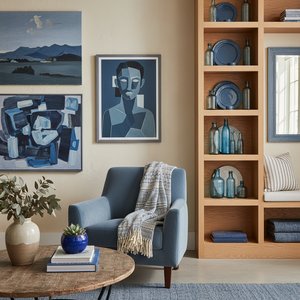
Immerse yourself in the captivating world of slate blue! Explore 10 iconic paintings by Monet, Van Gogh & Renoir. Discover their stories, techniques & find museum-quality art reproductions for your home at .

Explore 10 iconic paintings with captivating 'mushroom' tones! Discover Van Gogh, Monet & Rembrandt’s masterpieces—earthy palettes, rich history & artistic techniques. Find museum-quality art reproductions and curated decor ideas at

Journey through 10 iconic paintings bathed in 'sand' tones – from Van Gogh to Monet. Explore the stories, techniques & warm palettes of these timeless masterpieces. Find museum-quality art reproductions at and bring classic beauty home.
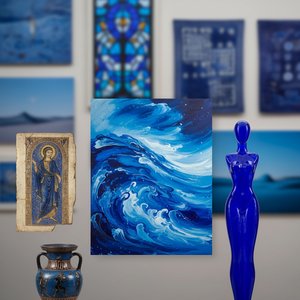
Explore the rich history of blue in art! Discover its symbolism, from ancient pigments to modern masterpieces by Kandinsky & Seurat. Uncover the psychological impact and cultural meanings behind this captivating hue.

Find serenity with 10 famous paintings embracing 'driftwood' tones. Explore Monet, Renoir & Van Gogh’s masterpieces – Impressionism, landscapes & calming palettes. Museum-quality art reproductions at . Discover all masterpieces online!


En son sanat haberlerinden, özel tekliflerden ve dekorasyon fikirlerinden haberdar olun.
Projenizden bize bahsedin; sanat uzmanlarımız size özel 3 sanat eseri önerisi sunsun.
Size Özel 3 Seçeneği Ücretsiz Olarak Hazırlayalım!


 Önizleme yap
 Paylaş
 Paylaş
 Detayları Gör

 İndir
İndir
 Benzerlerini gör
 X-Işını
 Slayt Gösterisi
 Tümünü Gör







 Cam seçeneği yalnızca 110 cm altındaki boyutlar için mevcuttur.


