

Sanatçılarımız tarafından sipariş üzerine hazırlanan; istediğiniz boyut ve çerçevede, tuval üzerine el boyaması yağlı boya. ( Baskıya Geç Görsele Geç)
Eserin orijinal oranlarıyla uyumlu, önceden belirlenmiş boyutlarımız arasından seçim yapın.

Belirli bir çerçeveye veya alana uyması için kendi boyutlarınızı girebilirsiniz. Seçtiğiniz boyut orijinal görüntünün oranlarıyla eşleşmiyorsa, sanat eserini kırparak veya ek el boyaması öğelerle resmi uzatarak ayarlayacağız. Üretim başlamadan önce onayınız için dijital bir taslak gönderilecektir.
Lütfen ekrandaki önizlemenin gerçek kırpmayı veya uzatmayı yansıtmadığını unutmayın. Nihai kompozisyonu yalnızca hazırlanan taslak doğru şekilde gösterecektir.
Özel boyutlar mevcut olsa da, orijinal oranları korumak adına önceden tanımlanmış listeden bir boyut seçmenizi öneririz.
Dünya Çapında Teslimat (); standart 5 hafta yerine 3/4 haftada. (9 Ağustos). Kaliteden ödün verilmez.


Dans L'oasis
Reproduksiyon Boyutu
Born in the heart of Paris in 1851, Albert Aublet emerged from the vibrant, shifting currents of the French art scene during the Belle Époque. His journey began within the prestigious halls of the École des Beaux-Arts, where he refined his craft under the watchful eyes of masters such as Claudius Jacquand and the renowned Jean-Léon Gérôme. This rigorous academic foundation provided him with a technical precision that would later serve as the bedrock for his more expressive explorations. His early debut at the 1873 Salon marked the arrival of a significant talent, earning immediate recognition when works like Intérieur de Boucherie au Tréport were acquired by notable figures such as Alexandre Dumas Fils. In these formative years, Aublet’s brush captured the quiet dignity of rural life and the rugged beauty of Normandy, establishing a reputation for realism that resonated with the era's fascination with unvarnished truth.
As his career matured, Aublet’s artistic gaze drifted far beyond the borders of France, seeking the luminous allure of the Orient. A transformative journey to Constantinople in 1881 ignited a lifelong passion for Orientalist themes, forever altering the trajectory of his oeuvre. This fascination was not merely a pursuit of the exotic but a deep, scholarly engagement with new light and culture. Accompanied by contemporaries like Jean-Léon Gérôme and Alberto Pasini, he explored the vibrant landscapes of Algeria and Turkey, translating the bustling marketplaces, architectural grandeur, and atmospheric subtleties of the East onto canvas. His work became a bridge between European academic tradition and the sensory richness of North Africa and the Ottoman Empire, characterized by an acute sensitivity to light and a masterful use of tonal gradations that breathed life into every scene.
The evolution of Aublet’s technique saw him move seamlessly between the structured demands of Academic Art and the more fluid, emotive qualities found in his watercolors and gouaches. He possessed a rare ability to capture fleeting moments—the way sunlight filters through a veil or the soft glow of dusk over a Tunisian courtyard. This mastery extended into his depictions of human figures, where he explored both the grace of nudes and the intimate character studies of local dignitaries and everyday people. His later years were deeply intertwined with the culture of Tunis; having purchased the magnificent Palais Dar Ben Abdalah in 1905, he became a central figure in the local art community, even serving as president of the first local art salon. This deep immersion allowed his work to transcend mere observation, becoming a soulful documentation of a world in transition.
Aublet’s achievements were met with significant international acclaim, reflecting his status as a truly global artist. His contributions to the art world were punctuated by prestigious honors that solidified his standing among the elite of his time:
Today, the historical significance of Albert Aublet lies in his ability to synthesize the meticulousness of the Academy with the evocative spirit of Impressionism. His paintings remain vital windows into a bygone era, preserved in esteemed collections such as the Musée National des Beaux-Arts de Québec and the Philadelphia Museum of Art. Through his eyes, we continue to witness the enduring magic of the Orient and the timeless elegance of the French tradition, rendered with a hand that understood both the weight of history and the lightness of a passing shadow.

1851 - 1938 , France

Explore the rich history of botanical illustration! Discover key artists like Havell & Barraband, learn about scientific accuracy & aesthetic beauty. Shop museum-quality reproductions at BuyPopArt.
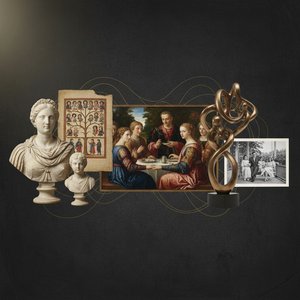
Explore the rich history of family portraiture through art! Discover masterpieces from across centuries & learn how artists captured kinship, intimacy, and societal values. Expert insights for collectors & enthusiasts.

BuyPopArt'ta usta sanatçılarla kişiye özel portre siparişi verin! Ailenizin hikayesini ölümsüzleştirin. Yüksek kalite, benzersiz tasarımlar ve güvenli alışveriş garantisiyle duygusal bir hediye yaratın.
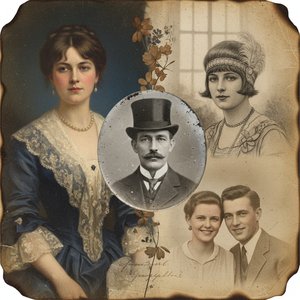
Explore the captivating world of vintage portrait art! Discover styles, techniques & the enduring appeal of 19th-century masterpieces. Expert restoration, custom reproductions & appraisal services at BuyPopArt.

Create a timeless family legacy with custom portraits! BuyPopArt connects you with skilled artists for heirloom-quality paintings & prints. Explore styles, commission your unique artwork today.


En son sanat haberlerinden, özel tekliflerden ve dekorasyon fikirlerinden haberdar olun.
Projenizden bize bahsedin; sanat uzmanlarımız size özel 3 sanat eseri önerisi sunsun.
Size Özel 3 Seçeneği Ücretsiz Olarak Hazırlayalım!


 Önizleme yap
 Paylaş
 Paylaş
 Detayları Gör

 İndir
İndir
 Benzerlerini gör
 X-Işını
 Slayt Gösterisi
 Tümünü Gör




































 Cam seçeneği yalnızca 110 cm altındaki boyutlar için mevcuttur.


