Çevrimiçi önizlemeden çok daha üstün, yüksek çözünürlüklü ve iyileştirilmiş bir dijital görüntü satın alın.
Her dosya, uzman ekibimiz tarafından gelişmiş araçlar ve titiz manuel rötuş teknikleri kullanılarak özenle hazırlanır. Her görüntünün olağanüstü netliğe, kusursuz renk doğruluğuna ve ince ayrıntılara sahip olduğundan emin oluruz.
Son dosya; profesyonel, editoryal ve baskı süreçlerinde anında kullanıma uygun şekilde optimize edilerek 72 saat içinde e-posta yoluyla teslim edilir. Bu, seçkin tasarım stüdyoları, yayıncılar ve galerilerin güvendiği aynı kalite standartlarındadır.
Kişisel sergileme, baskı ve yaratıcı projeleriniz için yüksek çözünürlüklü bir dosya indirin. ( Baskıya Geç El boyaması versiyona geç)
BuyPopArt.com seçtiğinizde, sadece bir görsel edinmekle kalmaz; titizlikle hazırlanmış, profesyonelce iyileştirilmiş dijital bir sanat eserine sahip olur ve memnuniyet garantisiyle güvence altına alınırsınız. Siparişinizle birlikte otomatik olarak sunulan her şey şunlardır:

Yüksek çözünürlüklü dijital görüntü dosyanız, siparişinizin üzerinden en geç 72 saat geçmeden e-posta ile size gönderilecektir; hemen kullanıma hazırdır.

Sanat eseriniz; maksimum detay, netlik ve renk doğruluğu sağlamak amacıyla gelişmiş yapay zeka araçları ve manuel düzenleme kullanılarak profesyonelce optimize edilmektedir.

Dosyanızı yanlışlıkla mı sildiniz yoksa kayıp mı oldu? Endişelenmeyin; dosyanızı dilediğiniz zaman size ücretsiz olarak tekrar göndereceğiz.

Sanat eserinizin tadını gümrük vergisi, harç veya teslimat ücreti ödemeden anında çıkarın; dijital indirmeler her zaman vergiden muaftır.

Profesyonel araçlar ve renk yönetimi kullanarak dijital görselinizin orijinal renklere mümkün olduğunca yakın yansıtılmasını sağlıyoruz.

If you're not satisfied with your digital image, we'll revise it or refund 100% within 60 days - no questions asked.

Memnun kalmadınız mı? Dijital dosyanızı aldıktan sonraki 60 gün içinde, hiçbir soru sorulmaksızın tam iade alın.

Buy 3 images, save 10% - Buy 5, save 15% - Buy 10+, save 20%. Great for creative projects, galleries, and agencies.
Andy Warhol's *Ambulance Disaster*, created in 1963 and 1964, isn’t merely a depiction of a car crash; it’s a profound meditation on mortality, media spectacle, and the unsettling intersection of chaos and control. Emerging from a period when American society grappled with anxieties surrounding violence, disaster, and the increasingly pervasive influence of mass media, this silkscreen masterpiece captures a moment frozen in time – a devastating collision rendered with Warhol's signature detachment and mechanical precision.
The photograph that served as the basis for *Ambulance Disaster* was sourced from a news clipping documenting a particularly harrowing accident. Warhol’s genius lies not in recreating the event faithfully, but in amplifying its emotional resonance through repetition and simplification. The image of the crumpled ambulance, a symbol traditionally associated with rescue and healing, is brutally transformed into an emblem of destruction – a stark reminder of fragility and loss. The scene unfolds with unsettling clarity: two figures visible within the wreckage, one slumped over the steering wheel, the other lying lifeless on the floor, all bathed in the cold, unforgiving light of photographic reproduction.
Executed using Warhol’s iconic silkscreen technique, *Ambulance Disaster* exemplifies the core tenets of Pop Art. The process involved transferring a printed image onto canvas, meticulously layering screens to achieve precise color blocking and eliminating any trace of hand-painted brushstrokes. This mechanical reproduction deliberately distances the viewer from the event, stripping it of its immediate emotional impact and presenting it as an object of detached observation. The monochromatic palette – primarily black and white – further contributes to this sense of clinical detachment, mirroring the cold objectivity of news photography.
Warhol’s deliberate use of repetition is crucial to the artwork's power. The ambulance image is multiplied across the canvas, creating a hypnotic effect that emphasizes its ubiquity in American culture—a symbol constantly appearing in media reports and advertising campaigns. This repetition simultaneously highlights the banality of tragedy and underscores its relentless reproduction within the public consciousness.
*Ambulance Disaster* operates on multiple symbolic levels. The ambulance itself, a vehicle designed to offer salvation, becomes an instrument of destruction, highlighting the inherent contradictions within American society’s response to disaster. The two figures trapped within the wreckage represent not just individual victims but also the broader human cost of accidents and violence. Their anonymity—they are simply bodies within a scene—reflects Warhol's broader interest in exploring the de-personalized nature of modern life.
Furthermore, the artwork speaks to the growing fascination with spectacle surrounding death in the 1960s. The photograph itself was likely disseminated widely through newspapers and magazines, transforming a tragic event into a public spectacle. Warhol’s silkscreen reproduction amplifies this effect, turning a moment of grief into an object of detached contemplation – mirroring the way media increasingly framed tragedy as entertainment.
*Ambulance Disaster* remains a powerfully evocative work, demonstrating Warhol's ability to transform mundane imagery into profound statements about human experience. Its stark composition, mechanical execution, and unsettling subject matter continue to resonate with viewers today, prompting reflection on the nature of tragedy, media representation, and the enduring fascination with death in American culture. Reproductions of this iconic piece offer a compelling glimpse into Warhol’s artistic vision—a haunting reminder of the fragility of life and the relentless gaze of the public eye.

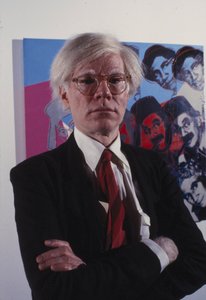
1928 - 1987 , Amerika Birleşik Devletleri


En son sanat haberlerinden, özel tekliflerden ve dekorasyon fikirlerinden haberdar olun.
Projenizden bize bahsedin; sanat uzmanlarımız size özel 3 sanat eseri önerisi sunsun.
Size Özel 3 Seçeneği Ücretsiz Olarak Hazırlayalım!


 Önizleme yap
 Paylaş
 Paylaş
 Detayları Gör

 İndir
İndir
 Benzerlerini gör
 X-Işını
 Slayt Gösterisi

 Tümünü Gör