Çevrimiçi önizlemeden çok daha üstün, yüksek çözünürlüklü ve iyileştirilmiş bir dijital görüntü satın alın.
Her dosya, uzman ekibimiz tarafından gelişmiş araçlar ve titiz manuel rötuş teknikleri kullanılarak özenle hazırlanır. Her görüntünün olağanüstü netliğe, kusursuz renk doğruluğuna ve ince ayrıntılara sahip olduğundan emin oluruz.
Son dosya; profesyonel, editoryal ve baskı süreçlerinde anında kullanıma uygun şekilde optimize edilerek 72 saat içinde e-posta yoluyla teslim edilir. Bu, seçkin tasarım stüdyoları, yayıncılar ve galerilerin güvendiği aynı kalite standartlarındadır.
Kişisel sergileme, baskı ve yaratıcı projeleriniz için yüksek çözünürlüklü bir dosya indirin. ( Baskıya Geç El boyaması versiyona geç)
BuyPopArt.com seçtiğinizde, sadece bir görsel edinmekle kalmaz; titizlikle hazırlanmış, profesyonelce iyileştirilmiş dijital bir sanat eserine sahip olur ve memnuniyet garantisiyle güvence altına alınırsınız. Siparişinizle birlikte otomatik olarak sunulan her şey şunlardır:

Yüksek çözünürlüklü dijital görüntü dosyanız, siparişinizin üzerinden en geç 72 saat geçmeden e-posta ile size gönderilecektir; hemen kullanıma hazırdır.

Sanat eseriniz; maksimum detay, netlik ve renk doğruluğu sağlamak amacıyla gelişmiş yapay zeka araçları ve manuel düzenleme kullanılarak profesyonelce optimize edilmektedir.

Dosyanızı yanlışlıkla mı sildiniz yoksa kayıp mı oldu? Endişelenmeyin; dosyanızı dilediğiniz zaman size ücretsiz olarak tekrar göndereceğiz.

Sanat eserinizin tadını gümrük vergisi, harç veya teslimat ücreti ödemeden anında çıkarın; dijital indirmeler her zaman vergiden muaftır.

Profesyonel araçlar ve renk yönetimi kullanarak dijital görselinizin orijinal renklere mümkün olduğunca yakın yansıtılmasını sağlıyoruz.

If you're not satisfied with your digital image, we'll revise it or refund 100% within 60 days - no questions asked.

Memnun kalmadınız mı? Dijital dosyanızı aldıktan sonraki 60 gün içinde, hiçbir soru sorulmaksızın tam iade alın.

Buy 3 images, save 10% - Buy 5, save 15% - Buy 10+, save 20%. Great for creative projects, galleries, and agencies.
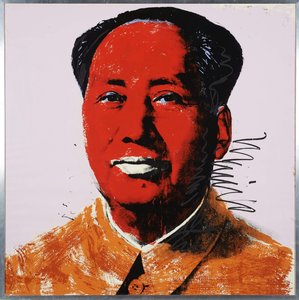
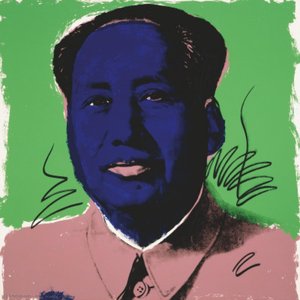
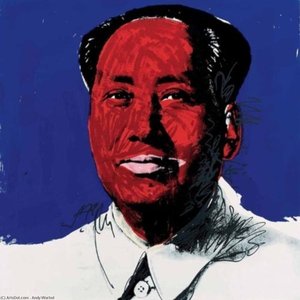
Andy Warhol's series of portraits depicting Chairman Mao Zedong stands as one of the most provocative and intellectually stimulating achievements of Pop Art. Created between 1972 and 1973, these silkscreen prints weren’t merely artistic exercises; they were bold statements about politics, celebrity culture, and the very nature of image-making in the 20th century. The work emerged during a pivotal moment in global affairs – President Richard Nixon's historic visit to China, an event that dramatically shifted Cold War dynamics and opened up a previously inaccessible nation to the West. Warhol, ever attuned to the pulse of contemporary society, seized upon this cultural phenomenon, transforming one of the most recognizable political figures into a subject for his signature style.
Warhol’s technique in the ‘Mao’ series is quintessential Pop. He employed silkscreen printing, a method borrowed from commercial advertising, to reproduce Mao's image repeatedly. The source material was a ubiquitous photograph of Mao widely circulated during China’s Cultural Revolution – an image intended to inspire reverence and obedience. However, Warhol deliberately subverted this intention through vibrant, often unnatural color palettes. He layered hues of pink, blue, and even garish yellows onto the iconic portrait, stripping it of its original ideological weight. This repetition, combined with the bold coloration, transforms Mao from a formidable leader into a consumable commodity, mirroring the mass production and visual saturation that Warhol so keenly observed in American consumer culture. The slight imperfections inherent in the silkscreen process – smudges, misalignments – further emphasize this deconstruction of authority, suggesting the fallibility of even the most powerful images.
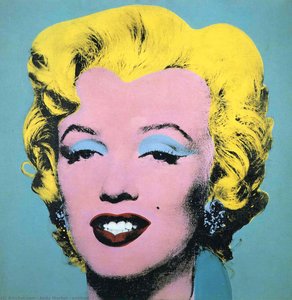
The choice of Mao Zedong as a subject is laden with symbolism. Warhol wasn’t necessarily making a political endorsement; rather, he was exploring the parallels between political propaganda and commercial advertising. Both systems rely on the repeated dissemination of images to cultivate belief and desire. By treating Mao like Marilyn Monroe or Campbell's Soup cans, Warhol blurred the lines between high art and popular culture, challenging traditional notions of artistic subject matter. The sheer scale of some versions of ‘Mao’ – particularly the monumental canvases – further amplifies this effect, mimicking the imposing presence of propaganda posters. The work asks us to consider how images shape our perceptions of power, ideology, and celebrity, prompting a critical examination of the forces that govern our visual world. It's a fascinating commentary on the cult of personality, whether it surrounds a political leader or a Hollywood star.
Viewing Warhol’s ‘Mao’ evokes a complex range of emotions. There is an undeniable sense of irony, a playful dismantling of authority that can be both unsettling and liberating. The vibrant colors inject a strange energy into the portrait, creating a visual tension between reverence and irreverence. The work doesn't offer easy answers; instead, it provokes questions about the nature of representation, the power of images, and the relationship between art and politics. ‘Mao’ remains profoundly relevant today, in an era saturated with media and political spin. It serves as a potent reminder to critically examine the images we consume and the messages they convey, solidifying Warhol's place as one of the most influential artists of the 20th century.
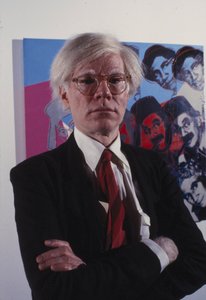
1928 - 1987 , Amerika Birleşik Devletleri


En son sanat haberlerinden, özel tekliflerden ve dekorasyon fikirlerinden haberdar olun.
Projenizden bize bahsedin; sanat uzmanlarımız size özel 3 sanat eseri önerisi sunsun.
Size Özel 3 Seçeneği Ücretsiz Olarak Hazırlayalım!


 Önizleme yap
 Paylaş
 Paylaş
 Detayları Gör

 İndir
İndir
 Benzerlerini gör
 X-Işını
 Slayt Gösterisi

 Tümünü Gör