Çevrimiçi önizlemeden çok daha üstün, yüksek çözünürlüklü ve iyileştirilmiş bir dijital görüntü satın alın.
Her dosya, uzman ekibimiz tarafından gelişmiş araçlar ve titiz manuel rötuş teknikleri kullanılarak özenle hazırlanır. Her görüntünün olağanüstü netliğe, kusursuz renk doğruluğuna ve ince ayrıntılara sahip olduğundan emin oluruz.
Son dosya; profesyonel, editoryal ve baskı süreçlerinde anında kullanıma uygun şekilde optimize edilerek 72 saat içinde e-posta yoluyla teslim edilir. Bu, seçkin tasarım stüdyoları, yayıncılar ve galerilerin güvendiği aynı kalite standartlarındadır.
Kişisel sergileme, baskı ve yaratıcı projeleriniz için yüksek çözünürlüklü bir dosya indirin. ( Baskı satın al El yapımı tablo satın al)
BuyPopArt.com seçtiğinizde, sadece bir görsel edinmekle kalmaz; titizlikle hazırlanmış, profesyonelce iyileştirilmiş dijital bir sanat eserine sahip olur ve memnuniyet garantisiyle güvence altına alınırsınız. Siparişinizle birlikte otomatik olarak sunulan her şey şunlardır:

Yüksek çözünürlüklü dijital görüntü dosyanız, siparişinizin üzerinden en geç 72 saat geçmeden e-posta ile size gönderilecektir; hemen kullanıma hazırdır.

Sanat eseriniz; maksimum detay, netlik ve renk doğruluğu sağlamak amacıyla gelişmiş yapay zeka araçları ve manuel düzenleme kullanılarak profesyonelce optimize edilmektedir.

Dosyanızı yanlışlıkla mı sildiniz yoksa kayıp mı oldu? Endişelenmeyin; dosyanızı dilediğiniz zaman size ücretsiz olarak tekrar göndereceğiz.

Sanat eserinizin tadını gümrük vergisi, harç veya teslimat ücreti ödemeden anında çıkarın; dijital indirmeler her zaman vergiden muaftır.

Profesyonel araçlar ve renk yönetimi kullanarak dijital görselinizin orijinal renklere mümkün olduğunca yakın yansıtılmasını sağlıyoruz.

If you're not satisfied with your digital image, we'll revise it or refund 100% within 60 days - no questions asked.

Memnun kalmadınız mı? Dijital dosyanızı aldıktan sonraki 60 gün içinde, hiçbir soru sorulmaksızın tam iade alın.

Buy 3 images, save 10% - Buy 5, save 15% - Buy 10+, save 20%. Great for creative projects, galleries, and agencies.
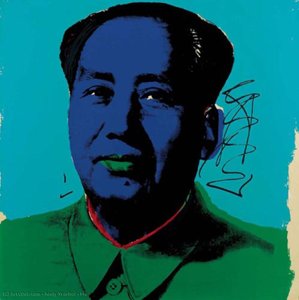
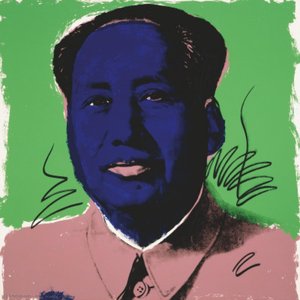
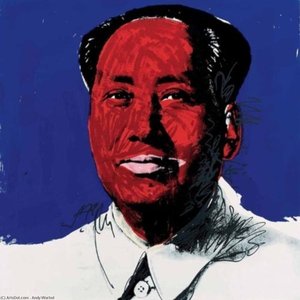
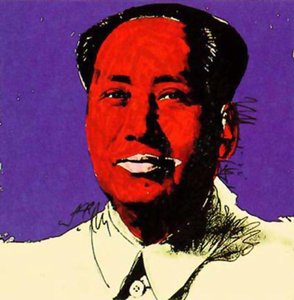
Andy Warhol's ‘Mao 91’, part of his larger 1972 series, is far more than just a portrait; it’s a seismic cultural statement. Emerging from the backdrop of shifting geopolitical landscapes and burgeoning Pop Art sensibilities, this screenprint boldly confronts notions of celebrity, power, and mass production. The image itself—a close-up of Mao Zedong's face rendered in striking shades of yellow and pink against a vibrant red background—immediately commands attention. It’s an appropriation of official propaganda, stripped of its intended reverence and recast through Warhol’s signature lens of cool detachment. The choice to focus on Mao, a figure largely inaccessible and mysterious to Western audiences at the time, was deliberately provocative. The slight distortion and repetition inherent in the screenprinting process further destabilize the image, preventing it from becoming a straightforward glorification.
Warhol’s embrace of silkscreen printing wasn't merely a stylistic choice; it was integral to his artistic philosophy. Having honed his skills in commercial illustration, he understood the power of reproduction and its ability to democratize imagery. The screenprint process, with its inherent mechanical quality, perfectly mirrored the mass-produced nature of consumer culture that Warhol so keenly observed and documented. In ‘Mao 91’, this technique takes on an added layer of meaning. By replicating Mao’s image—an icon meticulously crafted by a totalitarian regime—Warhol subtly critiques the very mechanisms of control and manipulation inherent in propaganda. The slight imperfections, the variations in color density, all serve to undermine the authority of the original portrait, transforming it into a commodity, another object for consumption within the burgeoning art market.
The early 1970s were a period of dramatic change. President Nixon’s historic visit to China in 1972—a watershed moment that began to thaw decades of Cold War hostility—provided the immediate impetus for Warhol's series. However, the work also reflects broader anxieties about American political culture and the pervasive influence of media imagery. Warhol wasn’t necessarily making a political statement *about* Mao or China; rather, he was using Mao as a symbol – a readily recognizable face to explore themes of power, celebrity, and the blurring lines between art and commerce. He saw parallels between the cult of personality surrounding Mao and the idolization of Hollywood stars, suggesting that both were products of carefully constructed narratives and mass dissemination. The vibrant color palette—a departure from the more somber tones typically associated with political imagery—further emphasizes this sense of detachment and ironic commentary.
‘Mao 91’ continues to resonate today because it taps into fundamental questions about image, power, and perception. The work challenges us to consider how images are constructed, circulated, and ultimately consumed. It's a reminder that even the most seemingly authoritative representations can be deconstructed and recontextualized. For interior designers, a reproduction of ‘Mao 91’ offers a bold statement piece—a conversation starter that injects a dose of intellectual energy into any space. Its striking colors and iconic imagery make it a versatile addition to both contemporary and modern settings. More than just an aesthetic object, Warhol's 'Mao 91' is a potent symbol of the 20th century’s complex relationship with politics, celebrity, and the ever-expanding reach of mass media.
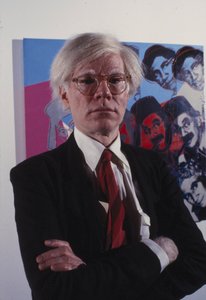
1928 - 1987 , Amerika Birleşik Devletleri


En son sanat haberlerinden, özel tekliflerden ve dekorasyon fikirlerinden haberdar olun.
Projenizden bize bahsedin; sanat uzmanlarımız size özel 3 sanat eseri önerisi sunsun.
Size Özel 3 Seçeneği Ücretsiz Olarak Hazırlayalım!


 Önizleme yap
 Paylaş
 Paylaş
 Detayları Gör

 İndir
İndir
 Benzerlerini gör
 X-Işını
 Slayt Gösterisi

 Tümünü Gör