

 Oil On CanvasWallArtEarly Modern
 1948
1948 132.0 x 99.0 cm
 Walker Art Gallery
Hızlı üretim ve esnek bitiş seçenekleriyle müze kalitesinde giclée veya kanvas baskı. ( El boyaması versiyona geç Görsele Geç)





























Eserin orijinal oranlarıyla uyumlu, önceden belirlenmiş boyutlarımız arasından seçim yapın.

Belirli bir çerçeveye veya alana uyması için kendi ölçülerinizi girebilirsiniz. Seçtiğiniz boyut orijinal görüntünün oranlarıyla eşleşmiyorsa, sanat eserini kırpacağız veya görüntüyü aynalanmış ya da düz dolgulu bir kenarlıkla genişleteceğiz. Üretim başlamadan önce onayınız için bir dijital taslak gönderilecektir.
Lütfen ekrandaki önizlemenin gerçek kırpma veya genişletmeyi yansıtmadığını unutmayın. Nihai kompozisyonu yalnızca taslak doğru bir şekilde gösterecektir.
Özel boyutlar mevcut olsa da, orijinal oranları korumak için önceden tanımlanmış listeden bir boyut seçmenizi öneririz.
Dünya Çapında Teslimat (); standart 4/5 hafta yerine 2 haftada. (6 Ağustos)


Sketch
Reproduksiyon Boyutu
David Bomberg’s “Sketch,” painted in 1948, isn’t merely a depiction of a scene; it’s an embodiment of the artist’s evolving vision during a pivotal period in British art. Born into a Polish-Jewish family in Birmingham and deeply influenced by the avant-garde movements swirling around London – Cubism, Futurism, and the radical ideas championed by Roger Fry – Bomberg sought to translate these complex influences into a distinctly personal language. This particular work, created shortly after his expulsion from the Slade School of Art for his perceived “audacity,” reflects both a rejection of academic constraints and an embrace of dynamic abstraction. The painting’s raw energy and fragmented forms speak volumes about the anxieties and transformations shaping the post-war artistic landscape.

Bomberg’s technique in “Sketch” is immediately arresting. He employs a bold, almost aggressively simplified palette dominated by vibrant reds, oranges, and yellows – colors that evoke both heat and intensity. These hues are layered and blended with remarkable skill, creating a sense of depth and movement despite the painting's predominantly geometric structure. The composition itself is fractured, composed of interlocking planes and angular shapes that seem to vibrate with energy. This deliberate fragmentation isn’t chaotic; rather, it mirrors the artist’s exploration of form and his desire to capture not just what he *saw*, but how he *felt* about what he saw. The use of thick impasto – applying paint in heavy layers – adds a tactile quality to the work, inviting the viewer to engage with its surface.
Bomberg was part of the “Whitechapel Boys,” a group of young artists who challenged the established artistic conventions of early 20th-century London. This collective, including Mark Gertler and Stanley Spencer, were deeply influenced by the avant-garde movements emerging from Paris and Italy. His time at the Slade School of Art, under the tutelage of Henry Tonks, provided a crucial foundation, but Bomberg quickly surpassed his teacher’s more traditional approach. His work reflects this trajectory, incorporating elements of Cubism – particularly in its emphasis on multiple perspectives – alongside the dynamism of Futurism and the emotional intensity of Expressionism. Further research reveals that Bomberg's exploration of Jerusalem Church (as documented in a separate BuyPopArt article) demonstrates his continued interest in capturing spiritual themes through abstract forms.
“Sketch” is more than just a visually striking composition; it's an exploration of emotional states. The intense colors and fragmented forms evoke feelings of both excitement and unease. Some art historians interpret the painting as a reflection of Bomberg’s personal struggles, particularly his experiences in the trenches during World War I. The dynamism of the composition suggests a restless spirit, while the underlying geometric structure hints at an attempt to impose order on chaos. Ultimately, “Sketch” invites viewers to contemplate the complexities of human experience and the power of art to capture the intangible.
Polonyalı-Yahudi göçmen ebeveynleri Abraham ve Rebecca Bomberg'in oğlu olarak dünyaya gelen sanatçı, Birmingham'da litograflık eğitimi almadan önce ilk olarak City and Guilds Teknik Sanat Okulu'nda eğitim gördü.
Westminster Sanat Okulu'nda (1908-1910) Walter Sickert'ın öğrencisi olan Bomberg, Sickert'ın form ve şehir yaşamına odaklanan yaklaşımından derinden etkilendi. 1910 yılında Roger Fry tarafından düzenlenen "Manet ve Post-Empresyonistler" sergisi aracılığıyla Paul Cézanne ile önemli bir tanışıklık yaşadı. 1911 yılında Slade Sanat Okulu'na katıldı ve sınıf arkadaşı Isaac Rosenberg'in çizimiyle Tonks Ödülü'nü kazandı.
Birinci Dünya Savaşı sırasında sıradan bir asker olarak yaşadığı deneyimler, sanatsطsal vizyonunu derinden etkileyerek soyutlamadan uzaklaşmasına neden oldu.
1920'li yıllarda Bomberg, doğrudan doğadan esinlenen portrelere ve manzaralara odaklandığı daha figüratif bir üslup benimsedi. Dokulu impasto tekniği ve duygusal yoğunlukla belirginleşen, giderek artan ekspresyonist bir teknik geliştirdi.
Orta Doğu (özellikle Filistin) ve Avrupa boyunca gerçekleştirdiği kapsamlı seyahatler, sonraki çalışmalarını önemli ölçüde etkiledi. Kudüs tasvirleri özellikle dikkat çekicidir.

1890 - 1957 , Birleşik Krallık
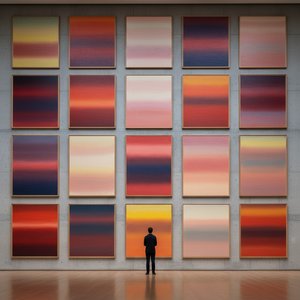
Mark Rothko'nun en iyi 25 eserini keşfedin! Soyut ekspresyonizmin duygusal derinliğine yolculuk edin, renklerin anlamını ve sanatın gücünü anlayın. Ev dekorasyonunuz için ilham alın ve BuyPopArt.com'da benzersiz tabloları bulun.
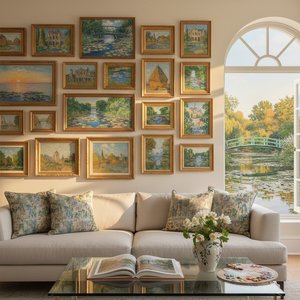
Claude Monet'nin en iyi 25 eserini keşfedin! İzlenimci sanatın büyülü dünyasına dalın, her tablonun hikayesini öğrenin. Ev dekorasyonunuz için yüksek kaliteli sanat reproduksiyonları BuyPopArt'ta. Koleksiyonu şimdi keşfedin!
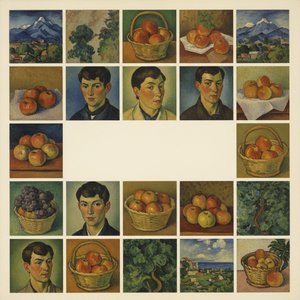
Paul Cézanne'ın en iyi 25 eserini keşfedin! Modern sanatın öncüsü Cézanne'ın post empresyonist tabloları, natürmortları ve renkli manzaralarıyla evinizi sanatsal bir atmosfere taşıyın. BuyPopArt.com'da yüksek kaliteli sanat baskıları ve dekor fikirleri sizi bekliyor.

Explore 10 iconic gray paintings by masters like Rembrandt, Hopper & Whistler. Discover the stories behind these atmospheric artworks and find museum-quality art reproductions for your home decor at . Explore the full collection online.

Winslow Homer'ın en iyi 25 eserini keşfedin! Amerikan sanatının ikonik deniz manzaraları, savaş resimleri ve kırsal yaşam tabloları BuyPopArt'ta. Sanat tarihi, teknikler ve ilham verici hikayelerle dolu bu koleksiyonu kaçırmayın. Şimdi keşfedin!


En son sanat haberlerinden, özel tekliflerden ve dekorasyon fikirlerinden haberdar olun.
Projenizden bize bahsedin; sanat uzmanlarımız size özel 3 sanat eseri önerisi sunsun.
Size Özel 3 Seçeneği Ücretsiz Olarak Hazırlayalım!


 Önizleme yap
 Paylaş
 Paylaş
 Detayları Gör

 İndir
İndir
 Benzerlerini gör
 X-Işını
 Slayt Gösterisi
 Tümünü Gör







 Cam seçeneği yalnızca 110 cm altındaki boyutlar için mevcuttur.


