

 Yağlı boya pigmentiDuvar SanatıDışavurumculuk
 1905Modern
 120.0 x 70.0 cm
 Kunsthaus Zürich
Hızlı üretim ve esnek bitiş seçenekleriyle müze kalitesinde giclée veya kanvas baskı. ( El yapımı tablo satın al Görsel satın al)





























Eserin orijinal oranlarıyla uyumlu, önceden belirlenmiş boyutlarımız arasından seçim yapın.

Belirli bir çerçeveye veya alana uyması için kendi ölçülerinizi girebilirsiniz. Seçtiğiniz boyut orijinal görüntünün oranlarıyla eşleşmiyorsa, sanat eserini kırpacağız veya görüntüyü aynalanmış ya da düz dolgulu bir kenarlıkla genişleteceğiz. Üretim başlamadan önce onayınız için bir dijital taslak gönderilecektir.
Lütfen ekrandaki önizlemenin gerçek kırpma veya genişletmeyi yansıtmadığını unutmayın. Nihai kompozisyonu yalnızca taslak doğru bir şekilde gösterecektir.
Özel boyutlar mevcut olsa da, orijinal oranları korumak için önceden tanımlanmış listeden bir boyut seçmenizi öneririz.
Dünya Çapında Teslimat (); standart 4/5 hafta yerine 2 haftada. (25 Ağustos)


Kütüphanede Herbert Esche
Reproduksiyon Boyutu
In the quiet, dust-mote-filled atmosphere of a private library, Edvard Munch captures more than just a man; he captures a moment of profound psychological stillness. Herbert Esche in the Library, painted in 1905, serves as a captivating window into a pivotal era of Munch’s life. The subject, the textile industrialist Herbert Eugen Esche, was far more than a mere sitter; he was a vital patron whose connection to the artist—orchestrated by the visionary architect Henry van de Velde—sparked a period of intense creative collaboration in Chemnitz. Within this frame, we encounter a portrait that transcends the formal boundaries of traditional portraiture, offering instead an intimate glimpse into the intersection of intellect and emotion.
The composition is masterfully anchored by Esche himself, positioned with a directness that demands the viewer's attention. He stands before a backdrop of meticulously arranged bookshelves, an environment that immediately evokes themes of knowledge, contemplation, and scholarly pursuit. Yet, Munch avoids the rigid, photographic precision often found in academic portraits. Instead, he employs his signature Expressionist style, utilizing loose, gestural lines that breathe life and movement into the scene. The edges of the figure and the surrounding architecture are not strictly defined but rather seem to vibrate with an underlying energy, suggesting that the true subject of the painting is not the physical room, but the internal state of the man within it.
Munch’s use of color in this masterpiece is nothing short of symphonic, working in tandem with his brushwork to establish a deeply evocative mood. The palette is dominated by a sophisticated interplay of blues and warm yellows. A deep, resonant blue defines Esche’s suit, grounding the figure within the composition, while soft, amber tones suggest the gentle diffusion of light filtering through a window or perhaps the glow of a distant lamp. These warm highlights dance against the cooler shadows of the library, creating a visual tension that mirrors the complexity of human thought. Subtle touches of red and green emerge within the spines of the books, adding layers of richness to the decorative elements and preventing the composition from feeling static.
The technique itself is a testament to the raw power of oil and pastel. Through the visible layering of paint and energetic brushstrokes, Munch creates a texture that feels tactile and immediate. This roughness serves a symbolic purpose; it breaks down the barrier between the observer and the observed, inviting us into the artist's visceral process. The lighting is intentionally uneven, casting parts of the background into a soft, melancholic shadow while illuminating Esche’s face with a quiet intensity. This play of light and dark—a subtle chiaroscuro reimagined through an Expressionist lens—enhances the sense of introspection and perhaps even a hint of the unspoken anxieties that so often haunted Munch’s oeuvre.
For the discerning collector or interior designer, Herbert Esche in the Library offers a profound opportunity to introduce a piece of art history into a contemporary space. The painting possesses a rare duality: it is both a formal historical document and a deeply modern emotional experience. Its flattened perspective and organic shapes resonate with modern minimalist aesthetics, while its rich emotional depth provides a soulful counterpoint to the starkness of modern living. Whether placed in a quiet study, a sophisticated gallery, or a grand living area, a high-quality reproduction of this work acts as a focal point of intellectual and aesthetic conversation.
To possess a reproduction of this Munch masterpiece is to invite the spirit of Expressionism into one's home. It is an invitation to contemplate the beauty found in solitude and the profound depth of the human psyche. As a piece that explores themes of intellect, isolation, and the quiet dignity of the individual, it remains as relevant today as it was at the dawn of the twentieth century, offering timeless inspiration to anyone moved by the power of emotive art.
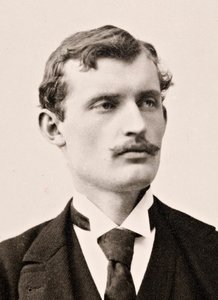
1863 - 1944 , İsveç

Edvard Munch'ın en ikonik 25 eserini keşfedin! Çığlık, Melankoli ve daha fazlası... Ekspresyonizm sanatının duygusal derinliğini BuyPopArt ile evinize taşıyın. Yüksek kaliteli sanat baskıları ve dekorasyon fikirleri için tıklayın.

Explore the profound world of Edvard Munch, pioneer of Expressionism. Discover the origins of 'The Scream' & his haunting depictions of anxiety, mortality, and love. Expert analysis & high-quality reproductions at BuyPopArt.

İfadeciliğin zirvesi! Van Gogh, Munch ve daha fazlasıyla 10 başyapıtı keşfedin. Sanatın duygusal gücünü deneyimleyin ve evinizi BuyPopArt'tan kaliteli sanat baskılarıyla dönüştürün. Keşfetmek için tıklayın!

Explore the raw emotion of Expressionism with BuyPopArt. Discover its history, key artists like Kirchner & Munch, and lasting influence on modern art. Expert insights for collectors & enthusiasts.

Explore 10 defining German Expressionism masterpieces – from Munch's 'The Scream' to Kandinsky’s abstracts. Discover the artists, stories & bold colors behind this powerful art movement. Find museum-quality reproductions at BuyPopArt.com.


En son sanat haberlerinden, özel tekliflerden ve dekorasyon fikirlerinden haberdar olun.
Projenizden bize bahsedin; sanat uzmanlarımız size özel 3 sanat eseri önerisi sunsun.
Size Özel 3 Seçeneği Ücretsiz Olarak Hazırlayalım!


 Önizleme yap
 Paylaş
 Paylaş
 Detayları Gör

 İndir
İndir
 Benzerlerini gör
 X-Işını
 Slayt Gösterisi
 Tümünü Gör







 Cam seçeneği yalnızca 110 cm altındaki boyutlar için mevcuttur.


