

Çevrimiçi önizlemeden çok daha üstün, yüksek çözünürlüklü ve iyileştirilmiş bir dijital görüntü satın alın.
Her dosya, uzman ekibimiz tarafından gelişmiş araçlar ve titiz manuel rötuş teknikleri kullanılarak özenle hazırlanır. Her görüntünün olağanüstü netliğe, kusursuz renk doğruluğuna ve ince ayrıntılara sahip olduğundan emin oluruz.
Son dosya; profesyonel, editoryal ve baskı süreçlerinde anında kullanıma uygun şekilde optimize edilerek 72 saat içinde e-posta yoluyla teslim edilir. Bu, seçkin tasarım stüdyoları, yayıncılar ve galerilerin güvendiği aynı kalite standartlarındadır.
Kişisel sergileme, baskı ve yaratıcı projeleriniz için yüksek çözünürlüklü bir dosya indirin. ( Baskıya Geç El boyaması versiyona geç)
BuyPopArt.com seçtiğinizde, sadece bir görsel edinmekle kalmaz; titizlikle hazırlanmış, profesyonelce iyileştirilmiş dijital bir sanat eserine sahip olur ve memnuniyet garantisiyle güvence altına alınırsınız. Siparişinizle birlikte otomatik olarak sunulan her şey şunlardır:

Yüksek çözünürlüklü dijital görüntü dosyanız, siparişinizin üzerinden en geç 72 saat geçmeden e-posta ile size gönderilecektir; hemen kullanıma hazırdır.

Sanat eseriniz; maksimum detay, netlik ve renk doğruluğu sağlamak amacıyla gelişmiş yapay zeka araçları ve manuel düzenleme kullanılarak profesyonelce optimize edilmektedir.

Dosyanızı yanlışlıkla mı sildiniz yoksa kayıp mı oldu? Endişelenmeyin; dosyanızı dilediğiniz zaman size ücretsiz olarak tekrar göndereceğiz.

Sanat eserinizin tadını gümrük vergisi, harç veya teslimat ücreti ödemeden anında çıkarın; dijital indirmeler her zaman vergiden muaftır.

Profesyonel araçlar ve renk yönetimi kullanarak dijital görselinizin orijinal renklere mümkün olduğunca yakın yansıtılmasını sağlıyoruz.

If you're not satisfied with your digital image, we'll revise it or refund 100% within 60 days - no questions asked.

Memnun kalmadınız mı? Dijital dosyanızı aldıktan sonraki 60 gün içinde, hiçbir soru sorulmaksızın tam iade alın.

Buy 3 images, save 10% - Buy 5, save 15% - Buy 10+, save 20%. Great for creative projects, galleries, and agencies.
Edvard Munch’s untitled work, cataloged as (6625), presents a deceptively simple scene – a large red house with crisp white trim standing beside a road. Yet, within this seemingly straightforward depiction lies the potent emotional undercurrent characteristic of Munch's oeuvre. The painting isn’t merely a representation of architecture; it is an evocation of atmosphere, a quiet narrative steeped in the anxieties and introspections that defined the artist’s life and work. The house itself dominates the composition, its numerous windows hinting at lives unfolding within, some open as if inviting observation, others closed, guarding secrets. A solitary tree stands sentinel before it, grounding the scene while simultaneously adding a touch of melancholy. The presence of two figures, one positioned to the left and another to the right, introduces a human element, suggesting movement and perhaps even a sense of passing time or fleeting encounters.
To understand this painting, we must consider the biographical context that so profoundly shaped Munch’s artistic vision. Born in 1863, his childhood was marked by tragedy – the early loss of his mother and sister to tuberculosis cast a long shadow over his life, instilling within him a deep preoccupation with mortality, illness, and psychological distress. These themes would become central to his art, manifesting not as explicit depictions of suffering but rather as subtle expressions of anxiety and existential unease. While this particular work doesn’t possess the overt emotional intensity of *The Scream*, it shares that painting's underlying sense of isolation and vulnerability. The red house, a symbol often associated with warmth and domesticity, feels strangely detached, almost spectral in its stillness. Munch’s exposure to nihilist philosophy through Hans Jæger further encouraged him to explore his inner turmoil, rejecting conventional artistic norms in favor of expressing raw emotional truth.
Though details regarding the specific technique employed in this painting remain unknown due to its lack of detailed documentation, we can infer certain aspects based on Munch’s established practices. He was a master of manipulating color to convey emotion, often employing bold, non-naturalistic hues to create a sense of psychological tension. The dominant red of the house is particularly significant; it's a color that evokes passion, danger, and even violence – emotions that frequently simmer beneath the surface of Munch’s work. The contrast with the stark white trim heightens this effect, creating a visual dynamic that draws the eye and amplifies the painting’s emotional impact. The brushwork is likely loose and expressive, characteristic of his style, prioritizing feeling over precise representation. It's a technique designed to bypass intellectual analysis and speak directly to the viewer’s subconscious.
Edvard Munch stands as a pivotal figure in the development of Expressionism, an artistic movement that sought to convey subjective experience rather than objective reality. His work anticipated many of the anxieties and uncertainties of the 20th century, reflecting a growing sense of alienation and disillusionment in the face of rapid social change. While *untitled (6625)* may not be as immediately recognizable as some of his more famous works, it embodies the same core principles – a focus on inner emotional states, a rejection of traditional artistic conventions, and a willingness to confront difficult truths about the human condition. This painting offers a quiet moment for contemplation, inviting viewers to project their own feelings onto the scene and find resonance within its subtle yet powerful imagery. It is a testament to Munch’s ability to transform an ordinary subject into a profound exploration of the modern psyche.
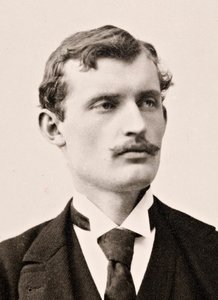
1863 - 1944 , İsveç


En son sanat haberlerinden, özel tekliflerden ve dekorasyon fikirlerinden haberdar olun.
Projenizden bize bahsedin; sanat uzmanlarımız size özel 3 sanat eseri önerisi sunsun.
Size Özel 3 Seçeneği Ücretsiz Olarak Hazırlayalım!


 Önizleme yap
 Paylaş
 Paylaş
 Detayları Gör

 İndir
İndir
 Benzerlerini gör
 X-Işını
 Slayt Gösterisi
 Tümünü Gör