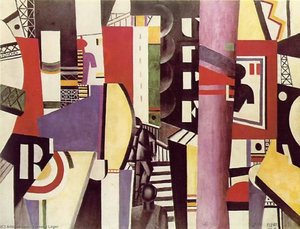
Hızlı üretim ve esnek bitiş seçenekleriyle müze kalitesinde giclée veya kanvas baskı. ( El yapımı tablo satın al Görsel satın al)





























Eserin orijinal oranlarıyla uyumlu, önceden belirlenmiş boyutlarımız arasından seçim yapın.

Belirli bir çerçeveye veya alana uyması için kendi ölçülerinizi girebilirsiniz. Seçtiğiniz boyut orijinal görüntünün oranlarıyla eşleşmiyorsa, sanat eserini kırpacağız veya görüntüyü aynalanmış ya da düz dolgulu bir kenarlıkla genişleteceğiz. Üretim başlamadan önce onayınız için bir dijital taslak gönderilecektir.
Lütfen ekrandaki önizlemenin gerçek kırpma veya genişletmeyi yansıtmadığını unutmayın. Nihai kompozisyonu yalnızca taslak doğru bir şekilde gösterecektir.
Özel boyutlar mevcut olsa da, orijinal oranları korumak için önceden tanımlanmış listeden bir boyut seçmenizi öneririz.
Dünya Çapında Teslimat (); standart 4/5 hafta yerine 2 haftada. (18 Ağustos)


The statuette Red
Reproduksiyon Boyutu
Fernand Léger’s “The Statuette Red,” painted in 1930, stands as a cornerstone of Cubism and Tubism—movements that fundamentally challenged the conventions of Western art at the time. More than just a depiction of form, it embodies Léger's unwavering conviction that art could – and should – reflect the dynamism and transformative power of industrial society.
Léger's artistic trajectory was inextricably linked with the revolutionary ideas of Pablo Picasso and Georges Braque. Like his contemporaries, he rejected the pursuit of photographic realism, opting instead for a radically new visual language rooted in Cubist principles. This decision wasn’t driven by mere aesthetic preference; it stemmed from a conviction that art could communicate truths about the human condition beyond superficial appearances.
The fragmentation of form—a hallmark of Cubism—allowed Léger to explore multiple viewpoints simultaneously, capturing the essence of an object rather than its literal representation. This technique demanded meticulous attention to detail and precision, reflecting Léger’s fascination with engineering and industrial design.
"The Statuette Red" exemplifies Léger's masterful blending of geometric abstraction with expressive color palettes. The dominant crimson hue commands immediate attention, injecting energy and vibrancy into the composition. This bold chromatic choice underscores Léger’s belief that color could convey emotion and stimulate perception—a departure from Impressionist traditions.
Furthermore, Léger's use of cylindrical forms—characteristic of Tubism—creates a sense of stability and monumentality, contrasting with the perceived chaos of modern life. These forms are rendered with meticulous detail, emphasizing their materiality and reinforcing Léger’s commitment to capturing the physicality of the world around him.
Fernand Léger's “The Statuette Red” continues to inspire artists and designers today. Its uncompromising embrace of abstraction—combined with its evocative color palette and masterful technique—serves as a testament to Léger’s enduring vision of art as a vehicle for exploring the complexities of the modern age. Reproductions of this iconic artwork offer a captivating glimpse into the artistic spirit of the 1930s, inviting viewers to contemplate the relationship between form, function, and emotion.

1881 - 1955 , Fransa
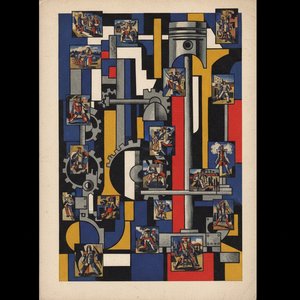
Fernand Léger'nin en iyi 25 eserini keşfedin! Kübist ve tübülist tarzıyla modern sanata yön veren bu ikonik tabloların hikayelerini okuyun. Ev dekorasyonunuz için ilham alın, yüksek kaliteli sanat baskılarıyla BuyPopArt’ta sanatı yaşayın. Şimdi koleksiyonu keşfedin!

Journey through art history with our Top 10 bronze sculptures! Explore masterpieces by Rodin, Michelangelo & more. Discover stories behind iconic statues and find museum-quality reproductions for your home decor at BuyPopArt.com.

Explore the rich history of sculpture from ancient masterpieces to contemporary innovations. Discover key techniques, influential artists & investment potential for discerning art collectors.

Journey through art history with 10 legendary bronze sculptures – from Michelangelo's David to Rodin’s Thinker. Explore the stories, techniques & timeless beauty of these masterpieces. Find museum-quality reproductions & elevate your home decor on BuyPopArt.com.
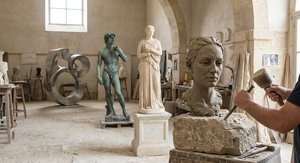
Explore the rich history of sculpture with BuyPopArt. Discover key techniques, influential artists & investment potential for discerning collectors. Expert insights into valuing and collecting timeless masterpieces.


En son sanat haberlerinden, özel tekliflerden ve dekorasyon fikirlerinden haberdar olun.
Projenizden bize bahsedin; sanat uzmanlarımız size özel 3 sanat eseri önerisi sunsun.
Size Özel 3 Seçeneği Ücretsiz Olarak Hazırlayalım!


 Önizleme yap
 Paylaş
 Paylaş
 Detayları Gör

 İndir
İndir
 Benzerlerini gör
 X-Işını
 Slayt Gösterisi

 Tümünü Gör







 Cam seçeneği yalnızca 110 cm altındaki boyutlar için mevcuttur.