Hızlı üretim ve esnek bitiş seçenekleriyle müze kalitesinde giclée veya kanvas baskı. ( El yapımı tablo satın al Görsel satın al)





























Eserin orijinal oranlarıyla uyumlu, önceden belirlenmiş boyutlarımız arasından seçim yapın.

Belirli bir çerçeveye veya alana uyması için kendi ölçülerinizi girebilirsiniz. Seçtiğiniz boyut orijinal görüntünün oranlarıyla eşleşmiyorsa, sanat eserini kırpacağız veya görüntüyü aynalanmış ya da düz dolgulu bir kenarlıkla genişleteceğiz. Üretim başlamadan önce onayınız için bir dijital taslak gönderilecektir.
Lütfen ekrandaki önizlemenin gerçek kırpma veya genişletmeyi yansıtmadığını unutmayın. Nihai kompozisyonu yalnızca taslak doğru bir şekilde gösterecektir.
Özel boyutlar mevcut olsa da, orijinal oranları korumak için önceden tanımlanmış listeden bir boyut seçmenizi öneririz.
Dünya Çapında Teslimat (); standart 4/5 hafta yerine 2 haftada. (18 Ağustos)


untitled (7227)
Reproduksiyon Boyutu
Georges Braque (1882-1963), a figure whose influence reverberates throughout the annals of 20th-century art, stands as one of the twin architects of Cubism alongside Pablo Picasso. Born in Argenteuil, France—a town steeped in Impressionistic heritage—Braque’s formative years instilled within him an appreciation for meticulous observation and structural clarity that would become hallmarks of his artistic vision.
Initially drawn to the craft of house painting and decoration – a profession deeply rooted in his family’s traditions – Braque possessed an innate talent that transcended mere technical skill. This early exposure fostered a profound understanding of materials and spatial relationships, providing him with invaluable groundwork for his subsequent artistic explorations.
It was within this crucible of Parisian intellectual ferment that Braque encountered Picasso, sparking a collaborative partnership that irrevocably altered the course of art history. Together, they embarked upon an audacious experiment—the dismantling and reimagining of traditional artistic conventions.
Cubism wasn’t merely stylistic; it represented a fundamental epistemological shift. Artists like Braque and Picasso rejected perspectival illusion, opting instead for fractured planes that simultaneously presented multiple viewpoints of the same subject. This technique aimed to capture not just what was seen but also how it was perceived—a radical departure from the idealized representations prevalent in preceding eras.
Considered a pivotal moment in artistic history, Cubism challenged viewers to confront the complexities of visual experience and paved the way for subsequent movements like Futurism and Surrealism. Braque’s contribution was particularly significant in establishing the geometric vocabulary that would define this revolutionary style.
Among Braque's most celebrated canvases is “Houses at L’Estaque,” a landscape painting executed in 1906 that exemplifies Cubist principles. The depiction of the Provençal hillside is rendered with fragmented planes and muted colors, prioritizing structural integrity over optical realism.
Furthermore, Braque’s exploration of collage—incorporating textured materials like burlap and newspaper into his paintings—represented another daring innovation. These collages served as a visual manifesto for Cubism's rejection of illusionistic representation and underscored the artist’s commitment to experimenting with new mediums.
Georges Braque’s legacy extends far beyond his artistic output. He championed abstraction, fostering a dialogue between art and science that continues to inspire artists today. His unwavering dedication to pushing boundaries solidified his position as one of the foremost figures in shaping the aesthetic landscape of the 20th century—a testament to the transformative power of artistic vision.
1882 yılında Fransa'nın Argenteuil kentinde dünyaya gelen Georges Braque, modern sanatın evrimleşen manzarasıyla derinden iç içe geçmiş bir yolculuğa adım attı. Bir boyacı ve dekoratör ailesinin içinde büyümesi, ona sadece malzemelere karşı teknik bir ustalık değil, aynı zamanda form ve yapıya yönelik erken bir takdir duygusu kazandırdı. Başlangıçta babasının mesleğini takip etse de, Braque'ın doğuştan gelen sanatsal eğilimleri onu kısa sürede Le Havre'daki École des Beaux-Arts'ta resmi eğitime yöneltti; bu durum, 20. yüzyılın en etkili ressamlarından biri olma yolundaki serüveninin başlangıcıydı. Pratik zanaatkarlık ile akademik çalışmanın birleşimi olan bu temel, daha sonra geleneksel sanatsal kuralları parçalarına ayırıp yeniden kurgularken hayati bir rol oynayacaktı.
1902 yılında Paris'e taşınan Braque, çalışmalarını Académie Humbert'te sürdürerek şehrin canlı sanatsal atmosferine kendini kaptırdı. Marie Laurencin ve Francis Picabia gibi sanatçılarla burada tanışması, erken dönem gelişimini şekillendirecek bağlar kurmasını sağladı. İlk eserleri İzlenimcilik ve Ard İzlenimciliğin hakim etkilerini yansıtıyordu; ancak 1905 yılında Fauvizm'in cesur renkleri ve dışavurumcu özgürlüğüyle yaşadığı dönüm noktası niteliğindeki karşılaşma, sanatsal arayışlarında yeni bir yönün fitilini ateşledi.
Braque'ın yoğun, doğal olmayan renkler ve duygusal dışavurumla karakterize edilen Fauvist ilkeleri benimsemesi, The Patience gibi tablolarında canlı bir şekilde örneklendirilmektedir. Bu dönemde Henri Matisse ve André Derain gibi sanatçılarla birlikte çalışarak canlı paletler ve basitleştirilmiş formlar üzerinde deneyler yaptı. Ancak Braque'ın Fauvizm ile olan bağı yalnızca taklitçi değildi; bu akımı kendine özgü bir duyarlılıkla harmanlayarak, hareketin dizginlenemeyen coşkusunu daha ölçülü ve analitik bir yaklaşımla dengeledi.
1907 yılında Paul Cézanne'ın retrospektif sergisiyle karşılaşmasıyla büyük bir dönüm noktasına ulaştı. Cézanne'ın geometrik formlara ve çoklu perspektiflere verdiği önem Braque'ı derinden etkileyerek, Pablo Picasso ile gerçekleştireceği çığır açıcı işbirliğinin zeminini hazırladı. 1908'den itibaren bu iki sanat devi, temsilin geleneksel kavramlarını yerle bir eden devrimci bir akım olan Kübizm'i doğuracak yoğun bir entelektüel alışveriş dönemine girdiler.
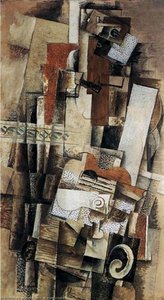
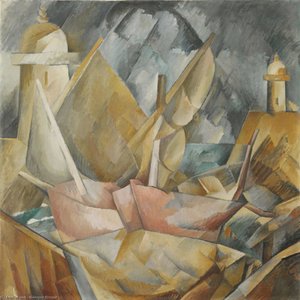
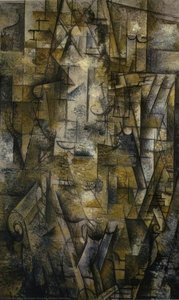
Braque ve Picasso birlikte, nesneleri parçalanmış geometrik şekillere ayırarak birden fazla bakış açısını eş zamanlı olarak sunan Analitik Kübizm'i geliştirdiler. Houses at L'Estaque gibi eserler bu erken evreyi gözler önüne sererek, geleneksel perspektiften radikal bir kopuşu ve formların temel yapısına odaklanışı sergiler. Bir nesnenin yalnızca görünümünü değil, varlığının bütünlüğünü temsil etmeye çalışırken, paletleri kasıtlı olarak matlaştı ve renk yerine formu ön plana çıkardı.
Braque ve Picasso arasındaki ortaklık, sanatsal ifadenin sınırlarını zorlamaya devam ederek 1912 civarında Sentetik Kübizm'in gelişimine yol açtı. Bu aşama, kolaj tekniğinin —gazete kupürleri, duvar kağıdı ve kumaş gibi gerçek dünya malzemelerinin resme dahil edilmesinin— tanıtıldığı dönemdir. Bu yenilik, resim ve heykel arasındaki geleneksel hiyerarşiye meydan okuyarak sanat ile yaşam arasındaki çizgileri bulanıklaştırdı.
Braque'ın öncü *papier collé* (yapıştırılmış kağıt) kullanımı, sanatsal evriminde önemli bir dönüm noktası oldu. Günlük nesnelerin parçalarını kompozisyonlarına entegre ederek, geleneksel resmin illüzyonist uzayını bozdu ve yeni bir maddesellik ve doku seviyesi getirdi. Bu teknik sadece sanatın biçimsel olanaklarını genişletmekle kalmadı, aynı zamanda temsil ile gerçeklik arasındaki ilişkiye duyulan artan ilgiyi de yansıttı.
1914'te Birinci Dünya Savaşı'nın patlak vermesi, Braque'ın askeri hizmete çağrılmasıyla bu yoğun işbirliğine bir ara verilmesine neden oldu. Savaş dönemi deneyimleri sanatsal vizyonunu derinden etkiledi ve savaş sonrası çalışmalarında daha kişisel ve lirik temaları keşfetmesine yol açtı.
Savaşı takiben Braque'ın stili, Kübizm'in katı sınırlarının ötesine evrilerek klasik kompozisyon öğelerini ve natürmort sanatına yönelik yenilenmiş bir ilgiyi bünyesinde barındırmaya başladı. Erken dönem çalışmalarını tanımlayan geometrik etkileri korurken, resme karşı daha nüanslı ve düşünceli bir yaklaşım geliştirdi. Geç dönem manzaraları ve iç mekan tasvirleri, huzurlu atmosferleri ve renklerin ince uyumlarıyla karakterize edilir.
Kariyeri boyunca Braque; form, uzay ve temsilin temel ilkelerini keşfetmeye olan bağlılığını sürdürdü. 1963 yılındaki ölümüne kadar farklı malzeme ve tekniklerle deneyler yapmaya devam ederek sanatsal ifadenin sınırlarını zorladı. Sonraki sanatçı nesilleri üzerindeki etkisi ölçülemez düzeydedir; modern sanatın gidişatını şekillendirmiş, sayısız ressam, heykeltıraş ve kolaj sanatçısına ilham vermiştir.
Georges Braque'ın mirası bireysel eserlerinin ötesine uzanır; çevremizdeki dünyayı nasıl algıladığımızı ve temsil ettiğimizi temelden değiştirmiştir. Picasso ile olan işbirliği ruhu, kendi eşsiz sanatsal vizyonuyla birleşerek onun modern sanatın gerçek bir öncüsü olarak yerini sağlamlaştırdı; o, geleneklere meydan okumaya cüret eden ve resmin olanaklarını yeniden tanımlayan bir ustaydı.
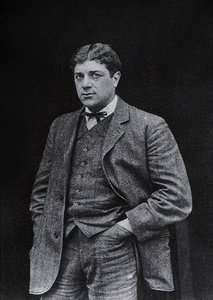
1882 - 1963 , Fransa

Georges Braque'ın en iyi 25 eserini keşfedin! Kübizm hareketinin öncüsü olan bu ikonik tablolar, modern sanatın ruhunu yansıtıyor. Sanat tarihine yolculuk yapın ve evinizi BuyPopArt.com'un yüksek kaliteli baskılarıyla zenginleştirin.

Georges Seurat'ın en iyi 25 eserini keşfedin! İzlenimcilik ve Noktacılık akımının öncüsü bu Fransız ressamın renkli dünyasına yolculuk yapın. Sanat baskıları ve ev dekorasyonu için BuyPopArt.com'da koleksiyonu inceleyin.
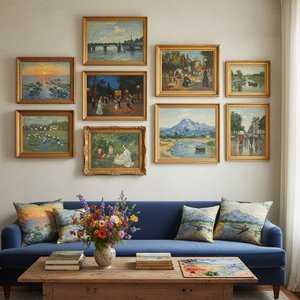
Journey into the heart of Impressionism! Explore 10 masterpieces by Monet, Renoir & Degas that revolutionized landscape art. Discover their stories, techniques & find museum-quality reproductions to elevate your home decor on BuyPopArt.com.
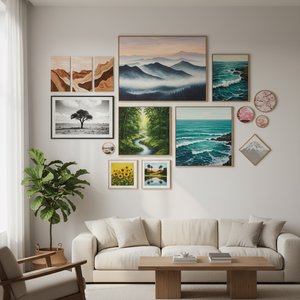
Journey through 10 breathtaking landscape paintings by Monet, Van Gogh & more! Explore iconic artworks, artistic techniques & find inspiration for your home decor. Museum-quality reproductions at BuyPopArt.com. Discover all masterpieces on BuyPopArt.com

İzlenimci manzara sanatının zirvesi! Monet, Renoir gibi ustaların 10 başyapıtıyla doğanın büyüsünü keşfedin. Sanat tarihi ve ev dekorasyonunda iz bırakmış eserleri BuyPopArt.com'da inceleyin. Koleksiyonumuzu online olarak keşfedin!


En son sanat haberlerinden, özel tekliflerden ve dekorasyon fikirlerinden haberdar olun.
Projenizden bize bahsedin; sanat uzmanlarımız size özel 3 sanat eseri önerisi sunsun.
Size Özel 3 Seçeneği Ücretsiz Olarak Hazırlayalım!


 Önizleme yap
 Paylaş
 Paylaş
 Detayları Gör

 İndir
İndir
 Benzerlerini gör
 X-Işını
 Slayt Gösterisi
 Tümünü Gör







 Cam seçeneği yalnızca 110 cm altındaki boyutlar için mevcuttur.