

 Acrylic On CanvasWallArtContemporary Realism
 1976Contemporary
 73.0 x 105.0 cm
Hızlı üretim ve esnek bitiş seçenekleriyle müze kalitesinde giclée veya kanvas baskı. ( El yapımı tablo satın al Görsel satın al)





























Eserin orijinal oranlarıyla uyumlu, önceden belirlenmiş boyutlarımız arasından seçim yapın.

Belirli bir çerçeveye veya alana uyması için kendi ölçülerinizi girebilirsiniz. Seçtiğiniz boyut orijinal görüntünün oranlarıyla eşleşmiyorsa, sanat eserini kırpacağız veya görüntüyü aynalanmış ya da düz dolgulu bir kenarlıkla genişleteceğiz. Üretim başlamadan önce onayınız için bir dijital taslak gönderilecektir.
Lütfen ekrandaki önizlemenin gerçek kırpma veya genişletmeyi yansıtmadığını unutmayın. Nihai kompozisyonu yalnızca taslak doğru bir şekilde gösterecektir.
Özel boyutlar mevcut olsa da, orijinal oranları korumak için önceden tanımlanmış listeden bir boyut seçmenizi öneririz.
Dünya Çapında Teslimat (); standart 4/5 hafta yerine 2 haftada. (14 Ağustos)


Vesuvius
Reproduksiyon Boyutu
Gerhard Richter’s “Vesuvius,” painted in 1976, isn't merely a depiction of the Italian volcano; it’s an exploration of how memory shapes perception. Richter, deeply influenced by his formative years under Nazi Germany—a period characterized by displacement and uncertainty—employs his signature technique of layering semi-transparent squares of color onto a photographic print to achieve a mesmerizing effect.
Richter's fascination with photography stems from a profound belief that it possesses an inherent honesty—a quality he seeks to preserve while simultaneously transforming it into something new. He argues that photographs capture moments in time with unparalleled accuracy, yet they are inherently incomplete representations of experience. By reworking these images through color washes, Richter acknowledges this limitation but elevates them beyond mere documentation.
“The photograph,” Richter famously stated, “is not a copy; it’s an interpretation.”The subtle hues employed in “Vesuvius” aren't intended to convey literal representations of the volcano itself. Rather, they serve as conduits for emotion—a reflection of Richter’s own contemplative gaze upon the landscape. The colors evoke a sense of melancholy and quiet contemplation, mirroring the artist’s preoccupation with memory and loss.
While “Vesuvius” presents a visually striking panorama, its significance transcends mere visual pleasure. The volcano symbolizes both destructive power and regenerative potential—themes that resonate deeply within Richter's artistic worldview. He uses color to subtly suggest these ideas, inviting viewers to engage in an imaginative dialogue with the artwork.

1932 - , Almanya

Explore the profound world of Gerhard Richter's abstract paintings. Discover his techniques, influences, and lasting impact on contemporary art – a guide for discerning collectors.
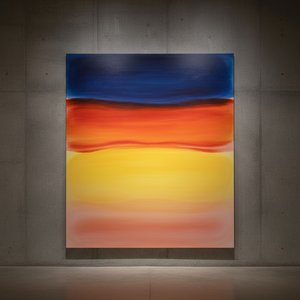
Explore the profound emotional depth of Mark Rothko's abstract expressionism. Discover the history, techniques & lasting impact of this pivotal Color Field painter. Expert insights for collectors and art enthusiasts.

Explore the profound impact of illumination on contemporary abstract painting. Expert insights into perceptual psychology, key artists & collecting valuable art. BuyPopArt.
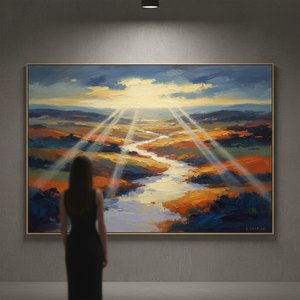
Explore the captivating landscape paintings of Stephen Chaplin, renowned for his 'Treatment in Minors' series & unique blend of Pop Art and historical realism. Discover his artistic journey & emotional depth.

Explore the captivating world of Beatrice Parsons, a pioneering British abstract expressionist. Discover her journey from garden watercolors to evocative color field paintings and learn about her place within art history.


En son sanat haberlerinden, özel tekliflerden ve dekorasyon fikirlerinden haberdar olun.
Projenizden bize bahsedin; sanat uzmanlarımız size özel 3 sanat eseri önerisi sunsun.
Size Özel 3 Seçeneği Ücretsiz Olarak Hazırlayalım!


 Önizleme yap
 Paylaş
 Paylaş
 Detayları Gör

 İndir
İndir
 Benzerlerini gör
 X-Işını
 Slayt Gösterisi
 Tümünü Gör







 Cam seçeneği yalnızca 110 cm altındaki boyutlar için mevcuttur.


