

 Oil On CanvasWallArtMannerism
 1566
1566 67.0 x 51.0 cm
 Kunsthistorisches Museum
Hızlı üretim ve esnek bitiş seçenekleriyle müze kalitesinde giclée veya kanvas baskı. ( El yapımı tablo satın al Görsel satın al)





























Eserin orijinal oranlarıyla uyumlu, önceden belirlenmiş boyutlarımız arasından seçim yapın.

Belirli bir çerçeveye veya alana uyması için kendi ölçülerinizi girebilirsiniz. Seçtiğiniz boyut orijinal görüntünün oranlarıyla eşleşmiyorsa, sanat eserini kırpacağız veya görüntüyü aynalanmış ya da düz dolgulu bir kenarlıkla genişleteceğiz. Üretim başlamadan önce onayınız için bir dijital taslak gönderilecektir.
Lütfen ekrandaki önizlemenin gerçek kırpma veya genişletmeyi yansıtmadığını unutmayın. Nihai kompozisyonu yalnızca taslak doğru bir şekilde gösterecektir.
Özel boyutlar mevcut olsa da, orijinal oranları korumak için önceden tanımlanmış listeden bir boyut seçmenizi öneririz.
Dünya Çapında Teslimat (); standart 4/5 hafta yerine 2 haftada. (18 Ağustos)


Fire
Reproduksiyon Boyutu
Giuseppe Arcimboldo’s “Fire,” painted in 1566, stands as a singular achievement within the Renaissance artistic landscape—a testament to inventive visual storytelling and masterful execution. More than just a portrait, it's an elaborate allegory embodying the element of fire itself, reflecting Arcimboldo’s fascination with humanist ideals and his desire to communicate complex ideas through unconventional means.
The artwork depicts the head of a noble figure rendered entirely from meticulously arranged fruits, vegetables, flowers, and stylized avian elements. This audacious technique—characteristic of Arcimboldo's celebrated “Four Elements” series—immediately distinguishes it from traditional portraiture. Rather than striving for realistic representation, Arcimboldo prioritized conveying an overarching concept: the transformative power of fire, its destructive beauty, and its association with divine illumination.
Created during the height of the Renaissance in Milan—a city renowned for its artistic patronage—Arcimboldo's work reflects the humanist spirit of the era, which championed observation of nature and explored philosophical concepts rooted in classical antiquity. The element of fire itself held profound symbolic meaning: representing divine illumination, purification, and transformation – mirroring Arcimboldo’s belief that art could elevate the human intellect.
The carefully chosen fruits—apples, pears, peaches—suggest ripeness and abundance, symbolizing vitality and earthly pleasures. Flowers contribute to the overall aesthetic beauty while subtly hinting at spiritual contemplation. The stylized bird represents aspiration and transcendence, elevating the figure’s gaze beyond the mundane realm. Arcimboldo's masterful manipulation of texture and color reinforces these symbolic associations, creating a visual experience that transcends mere representation.
"Fire" captivates viewers with its arresting juxtaposition of organic forms and geometric precision—a stylistic hallmark of Arcimboldo’s oeuvre. The melancholic expression on the figure's face underscores the painting’s contemplative mood, inviting reflection on themes of mortality and spiritual enlightenment. More than just a decorative masterpiece, “Fire” remains an enduring symbol of artistic innovation and intellectual curiosity—a testament to Arcimboldo’s ability to transform visual conventions into vehicles for profound philosophical inquiry.
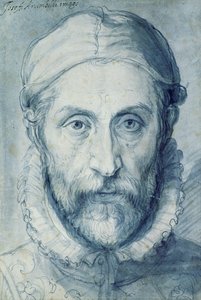
1527 - 1593 , İtalya

Master the art of impact with our expert guide to oil on panel. Discover how impasto textures and heavy-body pigments create 3D depth and bold visual energy for modern interiors. Elevate your space with high-impact, hand-painted masterpieces designed for maximum aesthetic punch.


En son sanat haberlerinden, özel tekliflerden ve dekorasyon fikirlerinden haberdar olun.
Projenizden bize bahsedin; sanat uzmanlarımız size özel 3 sanat eseri önerisi sunsun.
Size Özel 3 Seçeneği Ücretsiz Olarak Hazırlayalım!


 Önizleme yap
 Paylaş
 Paylaş
 Detayları Gör

 İndir
İndir
 Benzerlerini gör
 X-Işını
 Slayt Gösterisi
 Tümünü Gör







 Cam seçeneği yalnızca 110 cm altındaki boyutlar için mevcuttur.


