

 Expressionism
 21.0 x 29.0 cm
Sanatçılarımız tarafından sipariş üzerine hazırlanan; istediğiniz boyut ve çerçevede, tuval üzerine el boyaması yağlı boya. ( Baskı satın al Görsel satın al)
Eserin orijinal oranlarıyla uyumlu, önceden belirlenmiş boyutlarımız arasından seçim yapın.

Belirli bir çerçeveye veya alana uyması için kendi boyutlarınızı girebilirsiniz. Seçtiğiniz boyut orijinal görüntünün oranlarıyla eşleşmiyorsa, sanat eserini kırparak veya ek el boyaması öğelerle resmi uzatarak ayarlayacağız. Üretim başlamadan önce onayınız için dijital bir taslak gönderilecektir.
Lütfen ekrandaki önizlemenin gerçek kırpmayı veya uzatmayı yansıtmadığını unutmayın. Nihai kompozisyonu yalnızca hazırlanan taslak doğru şekilde gösterecektir.
Özel boyutlar mevcut olsa da, orijinal oranları korumak adına önceden tanımlanmış listeden bir boyut seçmenizi öneririz.
Dünya Çapında Teslimat (); standart 5 hafta yerine 3/4 haftada. (16 Ağustos). Kaliteden ödün verilmez.


Monks
Reproduksiyon Boyutu
Born in Spy, Belgium, in 1907, Henri Masson's artistic journey began early, fueled by a childhood fascination with drawing and painting. His family’s relocation to Canada in 1921, settling in Ottawa, marked the beginning of his Canadian career, initially finding work as a master engraver – a profession he diligently pursued until 1945. It was during this period that a pivotal encounter occurred: a visit to the National Gallery of Canada ignited a profound appreciation for the Group of Seven and their distinctive approach to landscape painting. This experience irrevocably shifted Masson’s trajectory, leading him to embrace painting as his primary artistic focus.
Masson's early training was largely self-directed, supplemented by studies at the Ottawa Art Association with George Rowles and Franklin Brownell. He quickly distinguished himself within the local art scene, joining Les Confrères artistes Le Caveau in 1933 – a collective that provided crucial support, exhibition opportunities, and a vibrant artistic community. This association fostered his development as both an artist and a teacher, shaping his approach to art education and solidifying his commitment to sharing his knowledge.
Masson’s artistic vision centered on capturing the essence of Quebec – its landscapes, its people, and its everyday life. He wasn't interested in grand, idealized vistas; instead, he sought out the authentic beauty found in rural communities, working-class neighborhoods, and quiet moments of domesticity. His subjects ranged from bustling street scenes to serene depictions of nature, often imbued with a sense of nostalgia and warmth. He frequently employed a loose, vigorous brushstroke, utilizing a broad palette of colors – particularly vibrant blues, greens, and yellows – to create dynamic compositions that conveyed both immediacy and emotional resonance.
His technique was characterized by a deliberate layering of paint, often beginning with an ink outline to establish the composition before adding washes of watercolor. This approach allowed him to capture subtle shifts in light and atmosphere while maintaining a sense of spontaneity and energy. Masson’s work is not simply representational; it's infused with a deeply personal perspective, reflecting his love for Quebec and its people.
Throughout the 1940s and beyond, Masson’s paintings garnered increasing recognition both in Canada and internationally. He participated in numerous solo and group exhibitions, including a significant showing at the 1939 World's Fair in New York, an International Watercolor Exhibition in Brooklyn, and a Canadian Art exhibition in Rio de Janeiro. His work was also featured at UNESCO headquarters in Paris, the National Gallery of Art in Washington D.C., and the Colombo International Exhibition of Modern Art in New Delhi.
His paintings have been collected by prestigious institutions worldwide, including the National Gallery of Canada, the Art Gallery of Ontario, the Musée national des beaux-arts du Québec, and the Remai Modern in Saskatoon. In 1972, a reproduction of his painting *Skaters in Hull* was featured on a Canadian postage stamp – a testament to his enduring popularity and artistic significance.
Henri Masson’s impact extends beyond the canvases he created. In 1979, Rue Henri-Masson was named in his honor in Roussillon, Quebec, recognizing his contribution to the community and the province's artistic heritage. Furthermore, the City of Ottawa commemorated his life and work by establishing the Karsh-Masson Gallery at City Hall – a dedicated space for showcasing his paintings alongside those of renowned photographer Yousuf Karsh.
Masson’s legacy lies not only in his distinctive style but also in his dedication to documenting the everyday realities of Quebec. His paintings offer a poignant glimpse into a bygone era, capturing the spirit and character of a region that continues to resonate with artists and viewers alike. He remains an important figure in Canadian art history, celebrated for his ability to transform ordinary scenes into works of enduring beauty and emotional depth.

1907 - 1996

Commission breathtaking bespoke fantasy art with skilled oil painters. Explore techniques, artist selection & preservation tips. Invest in a unique masterpiece today!
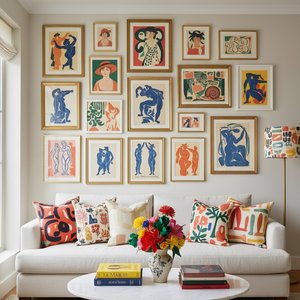
Henri Matisse'ın en ikonik 25 eserini keşfedin! Fauvism akımının öncüsü olan bu modern sanat dehasının renkli dünyasına yolculuk yapın. Sanat baskıları ve ev dekorasyonu için BuyPopArt.com'da ilham alın. Koleksiyonu şimdi keşfedin!

Journey through art history with our guide to 10 legendary oil on canvas masterpieces! Explore iconic works by Van Gogh, Monet & Rembrandt. Find museum-quality reproductions and elevate your home decor at . Discover all masterpieces online.

Kübizm'in zirvesi! Picasso, Braque ve daha fazlasıyla sanat tarihini şekillendiren 10 başyapıtı keşfedin. Sanat hikayelerini öğrenin, renklerin gücünü hissedin ve evinizi BuyPopArt.com'dan seçkin sanat replikalarıyla dönüştürün.

BuyPopArt.com ile sanat koleksiyonunuzu zenginleştirin! Usta sanatçılarımızla özel yağlı boya tablolar, güvenilir komisyon hizmetleri ve benzersiz stil seçenekleriyle sanatsal vizyonunuzu gerçeğe dönüştürün.


En son sanat haberlerinden, özel tekliflerden ve dekorasyon fikirlerinden haberdar olun.
Projenizden bize bahsedin; sanat uzmanlarımız size özel 3 sanat eseri önerisi sunsun.
Size Özel 3 Seçeneği Ücretsiz Olarak Hazırlayalım!


 Önizleme yap
 Paylaş
 Paylaş
 Detayları Gör

 İndir
İndir
 Benzerlerini gör
 X-Işını
 Slayt Gösterisi
 Tümünü Gör




































 Cam seçeneği yalnızca 110 cm altındaki boyutlar için mevcuttur.


