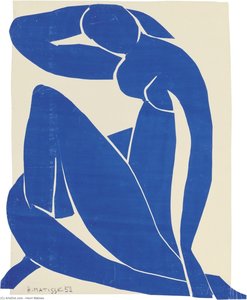
Tuval Üzerine Akrilik BoyaDuvar SanatıFauvism
 1912Modern
 192.0 x 115.0 cm
Sanatçılarımız tarafından sipariş üzerine hazırlanan; istediğiniz boyut ve çerçevede, tuval üzerine el boyaması yağlı boya. ( Baskı satın al Görsel satın al)





























Eserin orijinal oranlarıyla uyumlu, önceden belirlenmiş boyutlarımız arasından seçim yapın.

Belirli bir çerçeveye veya alana uyması için kendi boyutlarınızı girebilirsiniz. Seçtiğiniz boyut orijinal görüntünün oranlarıyla eşleşmiyorsa, sanat eserini kırparak veya ek el boyaması öğelerle resmi uzatarak ayarlayacağız. Üretim başlamadan önce onayınız için dijital bir taslak gönderilecektir.
Lütfen ekrandaki önizlemenin gerçek kırpmayı veya uzatmayı yansıtmadığını unutmayın. Nihai kompozisyonu yalnızca hazırlanan taslak doğru şekilde gösterecektir.
Özel boyutlar mevcut olsa da, orijinal oranları korumak adına önceden tanımlanmış listeden bir boyut seçmenizi öneririz.
Dünya Çapında Teslimat (); standart 5 hafta yerine 3/4 haftada. (13 Ağustos). Kaliteden ödün verilmez.


Dance
Reproduksiyon Boyutu
Henri Matisse’s “Dance” (1912) stands as a cornerstone of Fauvist art—a movement that irrevocably altered the course of 20th-century painting. More than just an image, it's an embodiment of liberation and joy, captured with audacious brushstrokes and pigments that defy conventional representation.
Painted during Matisse’s formative years alongside Pablo Picasso, “Dance” reflects the broader artistic currents of its time. Artists were actively rejecting academic conventions in favor of exploring primal emotions and sensations—a reaction against the perceived rigidity of Impressionism. Matisse's fascination with African masks and tribal art profoundly influenced his stylistic choices, injecting a raw energy and expressive freedom into his canvases.
The painting’s composition is deceptively simple yet remarkably effective. A group of nude figures occupies the central space in a swirling circular formation, mirroring the rhythm of dance itself. Matisse employs a masterful juxtaposition of warm hues—primarily reds, oranges, and yellows—against cooler blues and greens—creating visual tension that conveys dynamism and emotional release. The dancer’s poses are deliberately stylized, prioritizing gesture and movement over anatomical accuracy.
Matisse achieved his signature style through a technique characterized by thick impasto – applying paint directly onto the canvas with visible brushstrokes—creating textural surfaces that pulsate with color. This bold approach was revolutionary for its time, prioritizing expressive gesture over meticulous detail. The artist meticulously blended colors to achieve luminous effects and heighten the emotional impact of the scene.
"Dance" wasn’t merely a stylistic outlier; it served as a catalyst for subsequent artistic movements. Its embrace of color and expressive abstraction paved the way for Cubism, Futurism, Surrealism, and numerous other avant-garde explorations. As evidenced by reproductions like “Nasturtiums with \"The Dance\"” (Metropolitan Museum of Art), Matisse’s vision continues to inspire artists and collectors alike—a testament to his enduring contribution to the history of art.
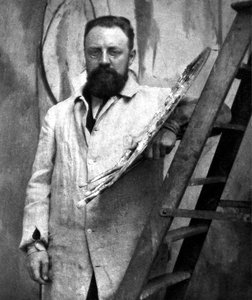
1869 - 1954 , Fransa

Explore the vibrant world of Fauvism with our expert guide. Discover how masters like Henri Matisse revolutionized art through bold colors and expressive strokes, defining a movement that continues to inspire collectors and art enthusiasts worldwide.

Elevate your space with bold, iconic dance art. From street art vibes to Pop Art masterpieces, discover high-impact, hand-painted reproductions and custom commissions designed to move you. Transform your walls with the rhythm of contemporary culture.


En son sanat haberlerinden, özel tekliflerden ve dekorasyon fikirlerinden haberdar olun.
Projenizden bize bahsedin; sanat uzmanlarımız size özel 3 sanat eseri önerisi sunsun.
Size Özel 3 Seçeneği Ücretsiz Olarak Hazırlayalım!


 Önizleme yap
 Paylaş
 Paylaş
 Detayları Gör

 İndir
İndir
 Benzerlerini gör
 X-Işını
 Slayt Gösterisi
 Tümünü Gör







 Cam seçeneği yalnızca 110 cm altındaki boyutlar için mevcuttur.