

 Oil On CanvasWallArtContemporary Realism
 1872
1872 66.0 x 48.0 cm
Hızlı üretim ve esnek bitiş seçenekleriyle müze kalitesinde giclée veya kanvas baskı. ( El boyaması versiyona geç Görsele Geç)





























Eserin orijinal oranlarıyla uyumlu, önceden belirlenmiş boyutlarımız arasından seçim yapın.

Belirli bir çerçeveye veya alana uyması için kendi ölçülerinizi girebilirsiniz. Seçtiğiniz boyut orijinal görüntünün oranlarıyla eşleşmiyorsa, sanat eserini kırpacağız veya görüntüyü aynalanmış ya da düz dolgulu bir kenarlıkla genişleteceğiz. Üretim başlamadan önce onayınız için bir dijital taslak gönderilecektir.
Lütfen ekrandaki önizlemenin gerçek kırpma veya genişletmeyi yansıtmadığını unutmayın. Nihai kompozisyonu yalnızca taslak doğru bir şekilde gösterecektir.
Özel boyutlar mevcut olsa da, orijinal oranları korumak için önceden tanımlanmış listeden bir boyut seçmenizi öneririz.
Dünya Çapında Teslimat (); standart 4/5 hafta yerine 2 haftada. (31 Temmuz)


Tea
Reproduksiyon Boyutu
James Jacques Joseph Tissot's "Tea," created in 1872, is more than just a painting; it’s a window into the refined social customs and aesthetic sensibilities of the Victorian era. This oil on wood masterpiece, now residing within the esteemed collection of the Metropolitan Museum of Art in New York, exemplifies Tissot's signature style – meticulous detail combined with an insightful portrayal of human interaction.
The painting depicts a woman elegantly dressed, seated at a table laden with delicate tea cups and saucers. She is engaged in the act of sipping tea, creating a scene of quiet domesticity and leisure. The composition centers around her figure, drawing the viewer's attention to her attire and demeanor. Several other teacups are present on the table, hinting at a possible gathering or social event. The background features a blurred cityscape visible through a window, suggesting an outdoor setting like a veranda or balcony. This juxtaposition of interior tranquility with exterior activity adds depth and intrigue to the scene.
Tissot’s style is characterized by its realism and attention to detail. He masterfully employs light and shadow to create a sense of depth and atmosphere, highlighting the textures of the silver tea service and the intricate patterns on the woman's gown. The use of thin glazes of oil paint builds up color and luminosity, resulting in a rich and layered visual experience. Lines are predominantly straight and precise, defining architectural elements like columns and window frames, contrasting with the softer curves of the woman’s dress. The technique showcases Tissot’s skill in capturing not only physical appearances but also subtle psychological nuances.
"Tea" is deeply rooted in the Victorian era's social dynamics. Tea drinking was a significant ritual, symbolizing hospitality, refinement, and social connection. The painting reflects the period's emphasis on fashion and interior design, showcasing the elegance of Victorian clothing and furnishings. The blurred cityscape outside the window serves as a poignant reminder of the passage of time and the changing nature of life. Symbolically, the silver tea service represents domesticity and refinement, while the woman’s attire speaks to her social standing and taste. Tissot's work provides valuable insight into the values and aesthetics of 19th-century British society.
Beyond its historical significance, "Tea" evokes a sense of quiet contemplation and understated elegance. The woman’s expression is enigmatic, inviting viewers to interpret her thoughts and emotions. The warm lighting creates a comforting atmosphere, while the meticulous detail draws the eye and encourages close observation. The painting's overall effect is one of serene beauty and timeless appeal, making it a captivating work for art lovers and collectors alike.

1836 - 1902 , Fransa
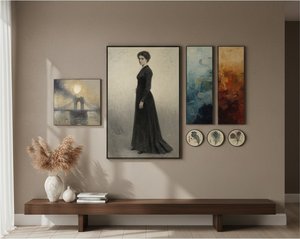
James Abbott McNeill Whistler'ın en iyi 25 eserini keşfedin! Amerikan empresyonizminin öncüsü Whistler'ın nocturne resimleri, portreleri ve sanat tarihine damga vuran diğer başyapıtları BuyPopArt.com'da. Ev dekorasyonunuz için lüks tabloları inceleyin.

Explore 25 iconic Sir Alfred Munnings paintings! Discover the beauty of British Impressionism, equine art & rural England. Find museum-quality reproductions and elevate your home decor with BuyPopArt. Explore the full collection online.
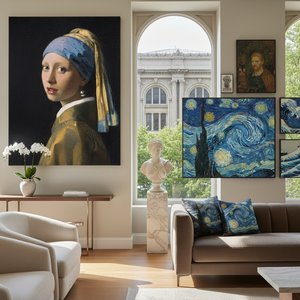
New York Metropolitan Müzesi'nin en ikonik 25 eserini keşfedin! Van Gogh, Monet ve Rembrandt gibi ustaların hikayelerini öğrenin. Eviniz için sanat baskısı ve dekorasyon fikirleri BuyPopArt.com'da. Koleksiyonu şimdi inceleyin!
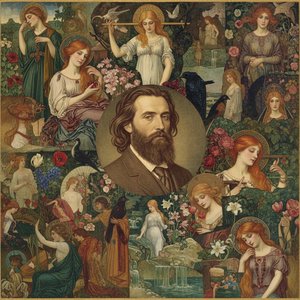
Dante Gabriel Rossetti'nin en iyi 25 eserini keşfedin! Pre-Raphaelite akımının büyülü dünyasına dalın, sembolizm ve romantizmi evlerinize taşıyın. Sanat reproduksiyonları BuyPopArt.com’da.
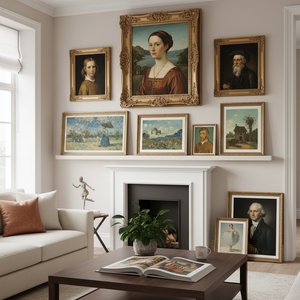
Washington Ulusal Sanat Galerisi'nin en etkileyici 25 eserini keşfedin! Paul Cézanne, Matisse ve Picasso gibi ustaların hikayelerini öğrenin. Eviniz için sanat ilhamı ve yüksek kaliteli tablolar BuyPopArt.com’da sizi bekliyor. Koleksiyonu şimdi keşfedin!


En son sanat haberlerinden, özel tekliflerden ve dekorasyon fikirlerinden haberdar olun.
Projenizden bize bahsedin; sanat uzmanlarımız size özel 3 sanat eseri önerisi sunsun.
Size Özel 3 Seçeneği Ücretsiz Olarak Hazırlayalım!


 Önizleme yap
 Paylaş
 Paylaş
 Detayları Gör

 İndir
İndir
 Benzerlerini gör
 X-Işını
 Slayt Gösterisi
 Tümünü Gör







 Cam seçeneği yalnızca 110 cm altındaki boyutlar için mevcuttur.


