Çevrimiçi önizlemeden çok daha üstün, yüksek çözünürlüklü ve iyileştirilmiş bir dijital görüntü satın alın.
Her dosya, uzman ekibimiz tarafından gelişmiş araçlar ve titiz manuel rötuş teknikleri kullanılarak özenle hazırlanır. Her görüntünün olağanüstü netliğe, kusursuz renk doğruluğuna ve ince ayrıntılara sahip olduğundan emin oluruz.
Son dosya; profesyonel, editoryal ve baskı süreçlerinde anında kullanıma uygun şekilde optimize edilerek 72 saat içinde e-posta yoluyla teslim edilir. Bu, seçkin tasarım stüdyoları, yayıncılar ve galerilerin güvendiği aynı kalite standartlarındadır.
Kişisel sergileme, baskı ve yaratıcı projeleriniz için yüksek çözünürlüklü bir dosya indirin. ( Baskı satın al El yapımı tablo satın al)
BuyPopArt.com seçtiğinizde, sadece bir görsel edinmekle kalmaz; titizlikle hazırlanmış, profesyonelce iyileştirilmiş dijital bir sanat eserine sahip olur ve memnuniyet garantisiyle güvence altına alınırsınız. Siparişinizle birlikte otomatik olarak sunulan her şey şunlardır:

Yüksek çözünürlüklü dijital görüntü dosyanız, siparişinizin üzerinden en geç 72 saat geçmeden e-posta ile size gönderilecektir; hemen kullanıma hazırdır.

Sanat eseriniz; maksimum detay, netlik ve renk doğruluğu sağlamak amacıyla gelişmiş yapay zeka araçları ve manuel düzenleme kullanılarak profesyonelce optimize edilmektedir.

Dosyanızı yanlışlıkla mı sildiniz yoksa kayıp mı oldu? Endişelenmeyin; dosyanızı dilediğiniz zaman size ücretsiz olarak tekrar göndereceğiz.

Sanat eserinizin tadını gümrük vergisi, harç veya teslimat ücreti ödemeden anında çıkarın; dijital indirmeler her zaman vergiden muaftır.

Profesyonel araçlar ve renk yönetimi kullanarak dijital görselinizin orijinal renklere mümkün olduğunca yakın yansıtılmasını sağlıyoruz.

If you're not satisfied with your digital image, we'll revise it or refund 100% within 60 days - no questions asked.

Memnun kalmadınız mı? Dijital dosyanızı aldıktan sonraki 60 gün içinde, hiçbir soru sorulmaksızın tam iade alın.

Buy 3 images, save 10% - Buy 5, save 15% - Buy 10+, save 20%. Great for creative projects, galleries, and agencies.
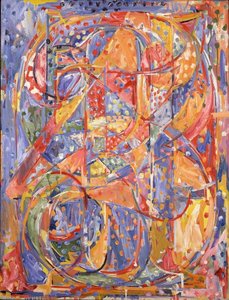
Jasper Johns' Ale Cans (1964) isn’t a grand statement; it’s not a revolutionary explosion of color or form. Instead, it resides in the deceptively simple depiction of two Ballantine Ale cans stacked atop one another. Yet within this seemingly mundane subject lies a profound exploration of perception, representation, and the very nature of art itself. Johns, a pivotal figure bridging Abstract Expressionism and Pop Art, wasn’t interested in simply replicating reality; he was fascinated by how we *see* it, and how that visual experience can be translated into a lasting image.

To fully appreciate Ale Cans, it’s crucial to understand its context within Johns' artistic development. He was deeply influenced by Marcel Duchamp’s concept of the “readymade”—ordinary, mass-produced objects elevated to the status of art simply through the artist’s selection and declaration. Johns didn’t transform the cans into something entirely new; he meticulously rendered them, almost obsessively, as if attempting to capture their essence. This echoes Duchamp's approach – taking the familiar and presenting it in a way that forces us to reconsider its meaning. The work is a direct response to the idea of elevating the commonplace, challenging traditional notions of artistic merit.
The lithograph itself, produced by Universal Limited Art Editions (ULAE), speaks volumes about this process. ULAE was renowned for its high-quality printing and its collaborative approach with artists like Johns, who worked closely with printers to achieve the desired effects. The careful layering of ink, the subtle variations in tone, and the deliberate inclusion of black scribbled lines all contribute to a sense of meticulousness and control – a stark contrast to the seemingly effortless nature of everyday objects.
One of the most striking aspects of Ale Cans is its unsettling juxtaposition of realism and abstraction. The cans appear three-dimensional, rendered with careful attention to detail – the labels, the metallic sheen, even the subtle shadows cast by the table. However, this illusion is immediately undermined by the stark black background, which is clearly flat. This creates a tension between the perceived reality of the objects and the inherent flatness of the printed medium. Johns deliberately exploits this contradiction, forcing the viewer to confront the limitations of representation and the artificiality of the image.
Deborah Wye, in her analysis for *Artists and Prints*, notes that “An interval of several months separated the execution of the first six stones and the seventh, the delicate border in black. The importance of this broken line should not be underestimated, for it at once separates and unites the image and the flatness of the paper.” This deliberate disruption highlights Johns’s conscious engagement with the printing process – he wasn't simply copying an object; he was actively shaping its representation within the constraints of the medium.
Beyond its formal qualities, Ale Cans carries a subtle symbolic weight. The cans themselves are instantly recognizable icons of American consumer culture – a ubiquitous symbol of leisure and refreshment. Johns’s repeated use of this image throughout his career reflects his broader interest in exploring American iconography and the ways in which everyday objects shape our understanding of national identity. The work can be seen as a meditation on the relationship between art, commerce, and the visual landscape of postwar America.
Reproductions of Ale Cans offer a unique opportunity to appreciate Johns’s masterful technique and his profound insights into the nature of representation. A hand-painted reproduction captures not only the image itself but also the artist's deliberate choices, allowing viewers to engage with the work on a deeper level.

1930 - , Amerika Birleşik Devletleri


En son sanat haberlerinden, özel tekliflerden ve dekorasyon fikirlerinden haberdar olun.
Projenizden bize bahsedin; sanat uzmanlarımız size özel 3 sanat eseri önerisi sunsun.
Size Özel 3 Seçeneği Ücretsiz Olarak Hazırlayalım!


 Önizleme yap
 Paylaş
 Paylaş
 Detayları Gör

 İndir
İndir
 Benzerlerini gör
 X-Işını
 Slayt Gösterisi

 Tümünü Gör