

 Ahşap Panel Üzerine Yağlı BoyaRomanticism
 182619. Yüzyıl
 24.0 x 18.0 cm
 Yale Center for British Art
Sanatçılarımız tarafından sipariş üzerine hazırlanan; istediğiniz boyut ve çerçevede, tuval üzerine el boyaması yağlı boya. ( Baskı satın al Görsel satın al)





























Eserin orijinal oranlarıyla uyumlu, önceden belirlenmiş boyutlarımız arasından seçim yapın.

Belirli bir çerçeveye veya alana uyması için kendi boyutlarınızı girebilirsiniz. Seçtiğiniz boyut orijinal görüntünün oranlarıyla eşleşmiyorsa, sanat eserini kırparak veya ek el boyaması öğelerle resmi uzatarak ayarlayacağız. Üretim başlamadan önce onayınız için dijital bir taslak gönderilecektir.
Lütfen ekrandaki önizlemenin gerçek kırpmayı veya uzatmayı yansıtmadığını unutmayın. Nihai kompozisyonu yalnızca hazırlanan taslak doğru şekilde gösterecektir.
Özel boyutlar mevcut olsa da, orijinal oranları korumak adına önceden tanımlanmış listeden bir boyut seçmenizi öneririz.
Dünya Çapında Teslimat (); standart 5 hafta yerine 3/4 haftada. (18 Ağustos). Kaliteden ödün verilmez.


Study of Hollyhocks
Reproduksiyon Boyutu
John Constable's Study of Hollyhocks, painted in 1826, isn’t merely a depiction of flowers; it’s a profound meditation on the beauty and transience of nature, rendered with an almost palpable sense of immediacy. This oil painting, currently residing within the esteemed Yale Center for British Art in New Haven, Connecticut, offers a rare glimpse into Constable's intensely personal approach to landscape art – a departure from the grand historical narratives favored by his contemporaries and a testament to his unwavering dedication to capturing the essence of the English countryside as he truly *saw* it. The painting’s quiet intimacy, achieved through a masterful manipulation of light, color, and composition, invites the viewer into a serene, sun-drenched corner of Constable's beloved Dedham Vale.
Constable’s genius lay in his ability to imbue ordinary subjects – humble hollyhocks, a solitary bird – with extraordinary emotional resonance. He wasn’t interested in idealized representations; instead, he sought to portray the world as it was, with its imperfections and fleeting moments of beauty. The painting's palette is remarkably restrained, dominated by soft greens, pinks, and blues, creating a harmonious blend that feels both naturalistic and deeply evocative. Notice how Constable uses subtle variations in tone – the delicate blush of the hollyhock petals, the hazy light filtering through the branches – to create a sense of depth and atmosphere. The composition itself is carefully considered, guiding the eye through the scene with a gentle rhythm, drawing us into this intimate tableau.
Unlike many artists of his time who relied on sketches and preparatory drawings, Constable often worked directly onto the canvas, allowing for an intuitive and spontaneous approach. This is evident in Study of Hollyhocks, where brushstrokes are loose and expressive, conveying a sense of movement and vitality. He employed a technique known as “impasto,” applying thick layers of paint to create texture and highlight certain areas – particularly the petals of the hollyhocks themselves. This tactile quality invites us to almost feel the velvety softness of the flowers.
Constable’s dedication to capturing the nuances of light is truly remarkable. He meticulously observed how sunlight interacted with the foliage, creating a dappled effect that adds depth and realism to the scene. The bird perched on one of the branches isn't simply an accessory; it’s a vital element of the composition, suggesting life and movement within this otherwise still landscape. It’s a small detail that elevates the painting beyond a mere botanical study, transforming it into a vibrant snapshot of rural England.
To fully appreciate Study of Hollyhocks, it's helpful to understand Constable’s broader artistic vision. He was deeply rooted in the landscape of Suffolk and Essex, finding inspiration in the everyday details of rural life – the meandering rivers, the thatched cottages, the wildflowers that dotted the fields. His paintings weren’t intended as grand statements; they were intimate reflections on his personal connection with nature. He famously declared, “I should paint my own places best,” a sentiment perfectly encapsulated in this delicate and luminous work.
Beyond its aesthetic beauty, Study of Hollyhocks offers a valuable insight into Constable’s artistic philosophy – a commitment to truthfulness, observation, and emotional expression. It's a painting that rewards repeated viewing, revealing new details and nuances with each encounter. Reproductions by BuyPopArt offer an exceptional opportunity to bring this masterpiece into your home or office, allowing you to experience the magic of Constable’s vision firsthand.
Explore more of John Constable's captivating works through BuyPopArt.com – Painting by 'John Constable' | John Constable:Study of Hollyhocks
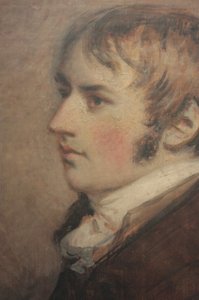
1776 - 1837 , Birleşik Krallık
John Constable'ın en iyi 25 eserini keşfedin! İngiliz manzara sanatının büyülü dünyasına dalın, romantizm akımını ve kırsal yaşamı yansıtan tablolarla evinizi zenginleştirin. Sanat reproduksiyonları BuyPopArt'ta.
John Singer Sargent'ın en iyi 25 eserini keşfedin! Amerikan empresyonizminin ustası Sargent’ın portrelerindeki zarafeti, tekniği ve renkleri inceleyin. Ev dekorasyonunuz için lüks sanat baskıları BuyPopArt.com'da. Koleksiyonu şimdi keşfedin!

Explore the life & art of John Constable, the Romantic painter who revolutionized landscape with emotive scenes of rural England. Discover his techniques, legacy, and key works – perfect for collectors & enthusiasts.

Explore 10 legendary 'Oil on Board' masterpieces by Van Gogh, Monet & more! Discover art history, iconic styles like Impressionism, and find museum-quality reproductions to elevate your home decor. Explore the full collection online at BuyPopArt.com.
Explore the captivating Orientalist paintings of John Frederick Lewis! Discover his mastery of detail, genre scenes & influence on 19th-century British art. Learn about his life, techniques & legacy at BuyPopArt.


En son sanat haberlerinden, özel tekliflerden ve dekorasyon fikirlerinden haberdar olun.
Projenizden bize bahsedin; sanat uzmanlarımız size özel 3 sanat eseri önerisi sunsun.
Size Özel 3 Seçeneği Ücretsiz Olarak Hazırlayalım!


 Önizleme yap
 Paylaş
 Paylaş
 Detayları Gör

 İndir
İndir
 Benzerlerini gör
 X-Işını
 Slayt Gösterisi
 Tümünü Gör







 Cam seçeneği yalnızca 110 cm altındaki boyutlar için mevcuttur.


