
Çevrimiçi önizlemeden çok daha üstün, yüksek çözünürlüklü ve iyileştirilmiş bir dijital görüntü satın alın.
Her dosya, uzman ekibimiz tarafından gelişmiş araçlar ve titiz manuel rötuş teknikleri kullanılarak özenle hazırlanır. Her görüntünün olağanüstü netliğe, kusursuz renk doğruluğuna ve ince ayrıntılara sahip olduğundan emin oluruz.
Son dosya; profesyonel, editoryal ve baskı süreçlerinde anında kullanıma uygun şekilde optimize edilerek 72 saat içinde e-posta yoluyla teslim edilir. Bu, seçkin tasarım stüdyoları, yayıncılar ve galerilerin güvendiği aynı kalite standartlarındadır.
Kişisel sergileme, baskı ve yaratıcı projeleriniz için yüksek çözünürlüklü bir dosya indirin. ( Baskı satın al El yapımı tablo satın al)
BuyPopArt.com seçtiğinizde, sadece bir görsel edinmekle kalmaz; titizlikle hazırlanmış, profesyonelce iyileştirilmiş dijital bir sanat eserine sahip olur ve memnuniyet garantisiyle güvence altına alınırsınız. Siparişinizle birlikte otomatik olarak sunulan her şey şunlardır:

Yüksek çözünürlüklü dijital görüntü dosyanız, siparişinizin üzerinden en geç 72 saat geçmeden e-posta ile size gönderilecektir; hemen kullanıma hazırdır.

Sanat eseriniz; maksimum detay, netlik ve renk doğruluğu sağlamak amacıyla gelişmiş yapay zeka araçları ve manuel düzenleme kullanılarak profesyonelce optimize edilmektedir.

Dosyanızı yanlışlıkla mı sildiniz yoksa kayıp mı oldu? Endişelenmeyin; dosyanızı dilediğiniz zaman size ücretsiz olarak tekrar göndereceğiz.

Sanat eserinizin tadını gümrük vergisi, harç veya teslimat ücreti ödemeden anında çıkarın; dijital indirmeler her zaman vergiden muaftır.

Profesyonel araçlar ve renk yönetimi kullanarak dijital görselinizin orijinal renklere mümkün olduğunca yakın yansıtılmasını sağlıyoruz.

If you're not satisfied with your digital image, we'll revise it or refund 100% within 60 days - no questions asked.

Memnun kalmadınız mı? Dijital dosyanızı aldıktan sonraki 60 gün içinde, hiçbir soru sorulmaksızın tam iade alın.

Buy 3 images, save 10% - Buy 5, save 15% - Buy 10+, save 20%. Great for creative projects, galleries, and agencies.
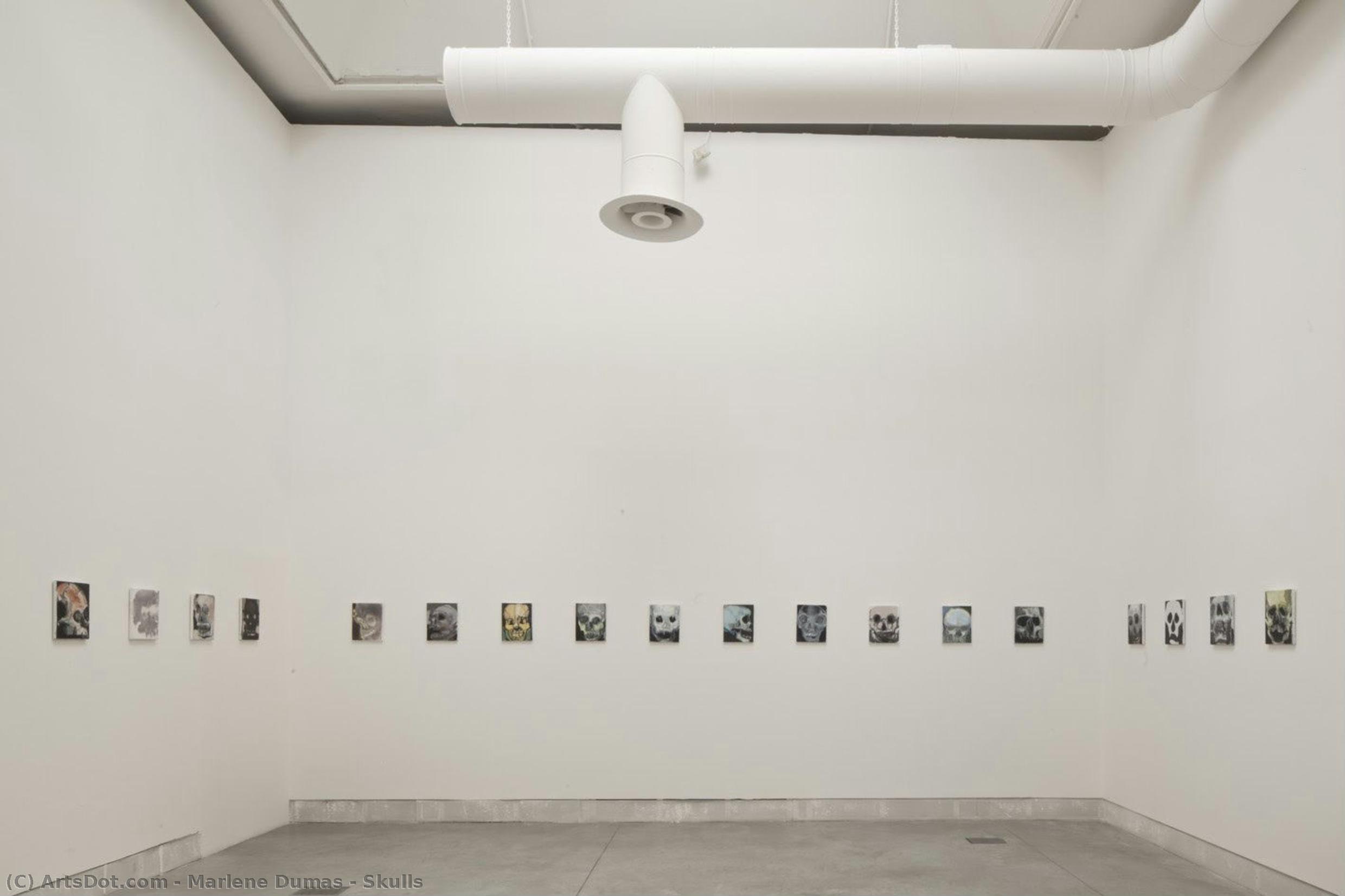
Marlene Dumas's "Skulls," painted in 2015, isn’t merely a depiction of mortality; it’s an intensely personal meditation on the fragility of existence, layered with echoes of South African history and the unsettling power of photographic memory. The painting immediately confronts the viewer with a stark arrangement: a row of skulls presented against a muted, almost bleached background—a deliberate choice that amplifies their presence and forces a direct engagement with death’s inevitability. Each skull possesses a subtly different expression, hinting at individual stories silenced by time, suggesting a collective mourning rather than a singular loss.
Dumas's technique is characterized by a raw, almost violent application of paint. She eschews meticulous detail, favoring instead broad strokes and gestural marks—drips, smears, and daubs that imbue the work with an immediate sense of urgency. The color palette is deliberately restrained – predominantly blacks, whites, and grays – mirroring the somber subject matter while simultaneously creating a hauntingly beautiful effect. This deliberate lack of polish contributes to the painting’s emotional impact; it feels less like a finished product and more like a fleeting capture of a profound feeling.
Dumas's artistic practice is deeply rooted in photography, a connection that profoundly shapes her work. She meticulously curates a private archive of images—photographs of herself, children, victims of violence, and the marginalized – transforming these visual fragments into the foundation for her paintings. “Skulls” exemplifies this process; it’s not simply an interpretation of skulls but rather a distillation of countless photographic encounters with mortality. The arrangement itself feels like a carefully constructed memorial, reminiscent of rows of graves or the faces in a forgotten album. This reliance on photographs forces us to confront the mediated nature of reality and the way images can both preserve and distort memory.
Born in Cape Town during the height of apartheid, Dumas’s life has been inextricably linked to themes of social injustice and identity. While “Skulls” doesn't explicitly reference this historical context, it resonates with the broader anxieties surrounding loss and remembrance that permeated South African society. The skulls can be interpreted as a symbol of silenced voices—those who suffered under oppression or were simply forgotten by history. The painting subtly evokes the collective trauma experienced during apartheid, reminding us of the enduring consequences of inequality and violence. However, Dumas transcends specific historical narratives, elevating the image to a universal representation of mortality – a reminder that all lives are finite and ultimately return to dust.
Ultimately, “Skulls” is a profoundly moving work that invites introspection and contemplation. It’s not a comfortable painting; it confronts us with the uncomfortable truths of death and loss. Yet, within this darkness lies a strange beauty—a testament to the resilience of the human spirit and the enduring power of art to grapple with life's most difficult questions. Dumas doesn’t offer easy answers or comforting platitudes. Instead, she presents us with a raw, honest portrayal of vulnerability – a reminder that beneath our carefully constructed facades, we are all ultimately fragile and mortal. The painting’s impact is not one of shock but of quiet recognition—a shared acknowledgment of the inevitability of death and the importance of remembering those who have passed.
Further Resources: Google Arts & Culture, BuyPopArt

1953 - , Güney Afrika


En son sanat haberlerinden, özel tekliflerden ve dekorasyon fikirlerinden haberdar olun.
Projenizden bize bahsedin; sanat uzmanlarımız size özel 3 sanat eseri önerisi sunsun.
Size Özel 3 Seçeneği Ücretsiz Olarak Hazırlayalım!


 Önizleme yap
 Paylaş
 Paylaş
 Detayları Gör

 İndir
İndir
 Benzerlerini gör
 X-Işını
 Slayt Gösterisi


 Tümünü Gör