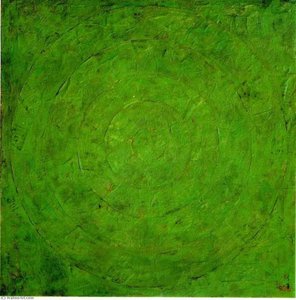
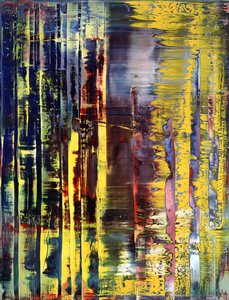
Abstract Expressionism
 1994
1994 1469.0 x 1666.0 cm
 National Museum of Singapore
Çevrimiçi önizlemeden çok daha üstün, yüksek çözünürlüklü ve iyileştirilmiş bir dijital görüntü satın alın.
Her dosya, uzman ekibimiz tarafından gelişmiş araçlar ve titiz manuel rötuş teknikleri kullanılarak özenle hazırlanır. Her görüntünün olağanüstü netliğe, kusursuz renk doğruluğuna ve ince ayrıntılara sahip olduğundan emin oluruz.
Son dosya; profesyonel, editoryal ve baskı süreçlerinde anında kullanıma uygun şekilde optimize edilerek 72 saat içinde e-posta yoluyla teslim edilir. Bu, seçkin tasarım stüdyoları, yayıncılar ve galerilerin güvendiği aynı kalite standartlarındadır.
Kişisel sergileme, baskı ve yaratıcı projeleriniz için yüksek çözünürlüklü bir dosya indirin. ( Baskı satın al El yapımı tablo satın al)
BuyPopArt.com seçtiğinizde, sadece bir görsel edinmekle kalmaz; titizlikle hazırlanmış, profesyonelce iyileştirilmiş dijital bir sanat eserine sahip olur ve memnuniyet garantisiyle güvence altına alınırsınız. Siparişinizle birlikte otomatik olarak sunulan her şey şunlardır:

Yüksek çözünürlüklü dijital görüntü dosyanız, siparişinizin üzerinden en geç 72 saat geçmeden e-posta ile size gönderilecektir; hemen kullanıma hazırdır.

Sanat eseriniz; maksimum detay, netlik ve renk doğruluğu sağlamak amacıyla gelişmiş yapay zeka araçları ve manuel düzenleme kullanılarak profesyonelce optimize edilmektedir.

Dosyanızı yanlışlıkla mı sildiniz yoksa kayıp mı oldu? Endişelenmeyin; dosyanızı dilediğiniz zaman size ücretsiz olarak tekrar göndereceğiz.

Sanat eserinizin tadını gümrük vergisi, harç veya teslimat ücreti ödemeden anında çıkarın; dijital indirmeler her zaman vergiden muaftır.

Profesyonel araçlar ve renk yönetimi kullanarak dijital görselinizin orijinal renklere mümkün olduğunca yakın yansıtılmasını sağlıyoruz.

If you're not satisfied with your digital image, we'll revise it or refund 100% within 60 days - no questions asked.

Memnun kalmadınız mı? Dijital dosyanızı aldıktan sonraki 60 gün içinde, hiçbir soru sorulmaksızın tam iade alın.

Buy 3 images, save 10% - Buy 5, save 15% - Buy 10+, save 20%. Great for creative projects, galleries, and agencies.
Born in Birmingham, Alabama, on October 17, 1955, Kerry James Marshall’s life and artistic journey are inextricably linked to the experiences of being Black in America – specifically, the legacy of the Great Migration and the realities of urban life in the mid-20th century. Raised in Los Angeles’ South Central neighborhood, a region grappling with racial tensions and economic hardship, Marshall developed an acute awareness of visual representation and its limitations. His childhood was marked by exposure to both the vibrant culture of Black communities and the stark inequalities that defined his surroundings. This formative environment profoundly shaped his artistic vision, driving him to challenge conventional notions of art history and create a space for marginalized voices.
Marshall’s early education laid the groundwork for his future success. He honed his skills at the Otis Art Institute of Los Angeles County, where he studied under Charles White, a prominent social realist painter who instilled in him a deep appreciation for figurative representation and its potential to address social issues. White's mentorship proved crucial, providing Marshall with the technical foundation and philosophical guidance necessary to embark on his ambitious artistic project: to redress the historical absence of Black figures within Western art’s canon. As he himself stated, “I want to make visible what has been invisible.”
Marshall's most celebrated work revolves around a deliberate and complex strategy – what he termed a "counter-archive." Rejecting the traditional narratives of art history that largely ignored or misrepresented Black subjects, Marshall began creating paintings depicting scenes from African American life in the 1980s. These weren’t simply portraits; they were meticulously researched compositions drawing heavily on historical painting techniques—particularly those of the Old Masters—but applied to contemporary Black figures and settings. He studied Renaissance frescoes, Baroque altarpieces, and classical mythology, painstakingly replicating their compositional structures, lighting schemes, and color palettes.
This appropriation wasn’t intended as a simple imitation. Instead, Marshall used these established visual languages to expose the inherent biases within them. By placing Black figures within these familiar frameworks—a pose reminiscent of Titian's *Venus of Urbino*, a scene echoing Rembrandt’s *The Night Watch*—he highlighted the ways in which art history had systematically excluded and misrepresented Black experiences. His paintings are not merely representations; they are critical interventions, demanding recognition and challenging viewers to confront their own assumptions about representation and power.
Marshall’s work is deeply rooted in themes of identity, race, and social justice. He frequently depicts Black men engaged in everyday activities—fishing, working, playing—often within the context of urban landscapes. These scenes are imbued with a quiet dignity and resilience, reflecting the strength and complexity of Black culture. His subject matter draws heavily from his own upbringing in Los Angeles, particularly the experiences of growing up near the Black Panther Party headquarters in Watts.
Beyond painting, Marshall’s artistic practice extends to drawing, sculpture, and public art installations. He has also explored printmaking as a means of disseminating his ideas and engaging with broader audiences. The influence of figures like Charles White, Jacob Lawrence, and Romare Bearden is evident in his work, but Marshall ultimately forged his own distinctive voice—one that is both historically informed and profoundly contemporary.
Kerry James Marshall’s impact on the art world is undeniable. His work has been exhibited extensively at major museums and galleries around the globe, including the Museum of Contemporary Art Chicago, The Metropolitan Museum of Art, and the Royal Academy of Arts in London. He was awarded a MacArthur Fellowship in 1991, recognizing his exceptional creativity and contributions to the arts. In 2017, he was included on *Time* magazine’s annual list of the 100 most influential people in the world – a testament to the profound impact of his artistic vision.
Marshall's retrospective exhibition, *Kerry James Marshall: Mastry*, curated by Lisa Dennison at the Museum of Contemporary Art Chicago in 2016, was widely hailed as a landmark event. It offered a comprehensive overview of his career and solidified his position as one of the most important artists of our time. His work continues to inspire dialogue about representation, identity, and the power of art to challenge social injustice. Kerry James Marshall passed away on March 30, 2007, leaving behind a rich and enduring legacy that will continue to resonate for generations to come.

1955 - 2007 , Malaysia


En son sanat haberlerinden, özel tekliflerden ve dekorasyon fikirlerinden haberdar olun.
Projenizden bize bahsedin; sanat uzmanlarımız size özel 3 sanat eseri önerisi sunsun.
Size Özel 3 Seçeneği Ücretsiz Olarak Hazırlayalım!


 Önizleme yap
 Paylaş
 Paylaş
 Detayları Gör

 İndir
İndir
 Benzerlerini gör
 X-Işını
 Slayt Gösterisi
 Tümünü Gör