Hızlı üretim ve esnek bitiş seçenekleriyle müze kalitesinde giclée veya kanvas baskı. ( Switch to hand made Painting Switch to Image)


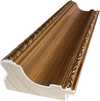
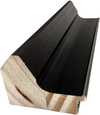
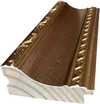
Eserin orijinal oranlarıyla uyumlu, önceden belirlenmiş boyutlarımız arasından seçim yapın.

Belirli bir çerçeveye veya alana uyması için kendi ölçülerinizi girebilirsiniz. Seçtiğiniz boyut orijinal görüntünün oranlarıyla eşleşmiyorsa, sanat eserini kırpacağız veya görüntüyü aynalanmış ya da düz dolgulu bir kenarlıkla genişleteceğiz. Üretim başlamadan önce onayınız için bir dijital taslak gönderilecektir.
Lütfen ekrandaki önizlemenin gerçek kırpma veya genişletmeyi yansıtmadığını unutmayın. Nihai kompozisyonu yalnızca taslak doğru bir şekilde gösterecektir.
Özel boyutlar mevcut olsa da, orijinal oranları korumak için önceden tanımlanmış listeden bir boyut seçmenizi öneririz.
Dünya Çapında Teslimat (); standart 4/5 hafta yerine 2 haftada. (30 Temmuz)


La Vie
Reproduksiyon Boyutu
Pablo Picasso’s “La Vie,” painted in 1903 during his Blue Period, transcends mere representation; it embodies a profound exploration of human emotion—specifically, the poignant tenderness of motherhood intertwined with an inescapable sense of melancholy. Created shortly after the tragic suicide of his friend Carles Casagemas, this oil-on-canvas artwork reflects Picasso’s personal turmoil and subtly weaves into its composition themes of loss and vulnerability.
The painting depicts a woman cradling a baby, positioned amidst three figures—a man on the left, another in the center, and a third on the right. The woman is nude, her breasts exposed, symbolizing fertility and nurturing – a deliberate choice that speaks to Picasso’s preoccupation with themes of femininity and maternal care during this period. The figures are arranged in a manner that emphasizes intimacy and connection, yet simultaneously conveys a feeling of isolation against a muted backdrop.
“La Vie” exemplifies Picasso's signature Expressionist style, characterized by its deliberate simplification of form and use of color. Dominating the canvas is a palette dominated by shades of blue—ranging from deep indigo to pale cerulean—a hallmark of Picasso’s Blue Period. This monochromatic scheme wasn’t merely aesthetic; it served as a powerful tool for conveying emotion. The cool blues evoke feelings of sadness, despair, and introspection, mirroring Picasso's own psychological state at the time.
Painted in 1903, “La Vie” sits firmly within Picasso’s Blue Period—a period marked by intense grief following Casagemas’ death. This loss profoundly impacted Picasso's artistic vision, prompting him to delve into darker themes and explore the complexities of human suffering. The painting reflects a broader cultural preoccupation with mortality and disillusionment prevalent in Europe at the turn of the century.
Beyond its depiction of motherhood, “La Vie” is laden with symbolic significance. The nude woman represents vulnerability and purity, while the baby symbolizes innocence and rebirth—a poignant juxtaposition against the backdrop of sorrow. Picasso’s masterful use of color contributes to this symbolism, conveying a sense of emotional depth that transcends literal observation. It's a visual testament to the artist grappling with grief and striving to capture the essence of human experience.

1881 - 1973 , İspanya

Pablo Picasso'nun en ikonik 25 eserini keşfedin! Kübizm, soyut sanat ve daha fazlası... Her tablonun ardındaki hikaye, renkler ve teknikler BuyPopArt'ta. Evinizi sanatla zenginleştirin. Tüm şaheserleri BuyPopArt.com'da keşfedin.

Discover the vibrant world of Ágatha Ruiz de la Prada, a leading figure in contemporary Spanish art. Explore her eclectic style, emotional depth & legacy – a must-read for discerning collectors.
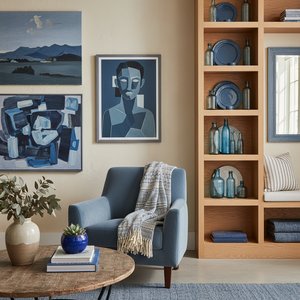
Immerse yourself in the captivating world of slate blue! Explore 10 iconic paintings by Monet, Van Gogh & Renoir. Discover their stories, techniques & find museum-quality art reproductions for your home at .
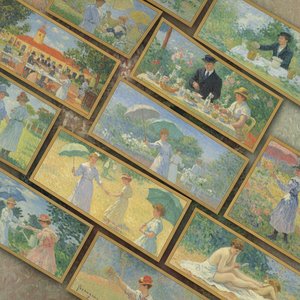
Pierre-Auguste Renoir'ın en ikonik 25 eserini keşfedin! İzlenimci stilin büyüsü, renkli tabloları ve unutulmaz portreleri ile sanatçının dünyasına adım atın. Ev dekorasyonunuz için lüks baskılar BuyPopArt'ta. Koleksiyonu şimdi keşfedin!

Explore the revolutionary art of Pablo Picasso with BuyPopArt.com. Discover Cubism's origins, symbolism in his masterpieces & investment insights for collectors. Expert appraisal & custom reproductions available.


En son sanat haberlerinden, özel tekliflerden ve dekorasyon fikirlerinden haberdar olun.
Projenizden bize bahsedin; sanat uzmanlarımız size özel 3 sanat eseri önerisi sunsun.
Size Özel 3 Seçeneği Ücretsiz Olarak Hazırlayalım!


 Preview
 Paylaş
 Paylaş
 Detayları Gör

 İndir
İndir
 Benzerlerini gör
 X-Işını
 Slayt Gösterisi

 Tümünü Gör
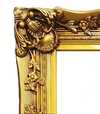
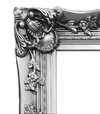
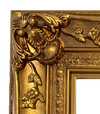
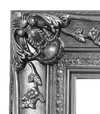
 Cam seçeneği yalnızca 110 cm altındaki boyutlar için mevcuttur.