Acrylic On CanvasWallArtNaive Art / Primitivism
 1965
1965 130.0 x 195.0 cm
Hızlı üretim ve esnek bitiş seçenekleriyle müze kalitesinde giclée veya kanvas baskı. ( El yapımı tablo satın al Görsel satın al)





























Eserin orijinal oranlarıyla uyumlu, önceden belirlenmiş boyutlarımız arasından seçim yapın.

Belirli bir çerçeveye veya alana uyması için kendi ölçülerinizi girebilirsiniz. Seçtiğiniz boyut orijinal görüntünün oranlarıyla eşleşmiyorsa, sanat eserini kırpacağız veya görüntüyü aynalanmış ya da düz dolgulu bir kenarlıkla genişleteceğiz. Üretim başlamadan önce onayınız için bir dijital taslak gönderilecektir.
Lütfen ekrandaki önizlemenin gerçek kırpma veya genişletmeyi yansıtmadığını unutmayın. Nihai kompozisyonu yalnızca taslak doğru bir şekilde gösterecektir.
Özel boyutlar mevcut olsa da, orijinal oranları korumak için önceden tanımlanmış listeden bir boyut seçmenizi öneririz.
Dünya Çapında Teslimat (); standart 4/5 hafta yerine 2 haftada. (18 Ağustos)


The Aubade
Reproduksiyon Boyutu
Pablo Picasso's "The Aubade," painted in 1965, stands as a testament to his unwavering fascination with Surrealism and his masterful ability to distill complex emotions into deceptively simple visual forms. Measuring 130 x 195 cm, this oil on canvas piece transcends mere representation; it’s an invitation to contemplate the interplay between music, joy, and contemplation—themes that permeate Picasso's oeuvre throughout his prolific career.
Classified under the Naive Art / Primitivism style, “The Aubade” exemplifies Picasso’s deliberate exploration of artistic primitivism. Unlike academic painting traditions focused on meticulous realism, Picasso deliberately eschewed technical precision, favoring bold colors and expressive brushstrokes that prioritize feeling over observation. This stylistic choice aligns perfectly with the broader movement's ethos—to recapture the spontaneity and unfiltered emotion characteristic of folk art—resulting in a visual experience that is both visceral and profoundly engaging.
The composition itself speaks volumes. Two figures dominate the foreground, one engaged in playing an instrument – likely a trombone or trumpet – while the other appears to be singing with palpable enthusiasm. This dynamic duo is positioned against a vibrant crimson backdrop, immediately establishing a sense of energy and movement. The inclusion of a clock subtly underscores the passage of time, juxtaposed against the idyllic scene of performance. Furthermore, the bowl at the bottom right corner hints at nourishment and comfort—elements that contribute to the painting’s overarching atmosphere of contentment.
"The Aubade" isn't merely a standalone artwork; it represents a pivotal moment in Picasso’s artistic journey. As a pioneer of Cubism alongside Georges Braque, he consistently pushed boundaries, experimenting with diverse styles and techniques to challenge conventional notions of representation. This painting underscores his ability to synthesize influences from various artistic traditions—a characteristic that cemented his position as one of the most influential artists of the 20th century.
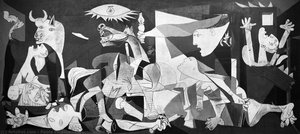
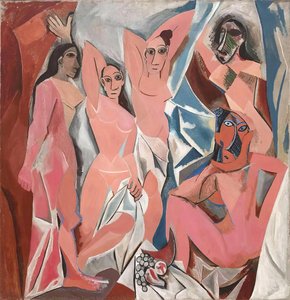
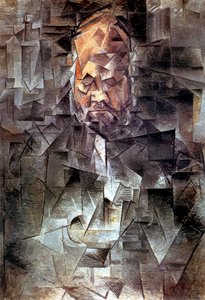
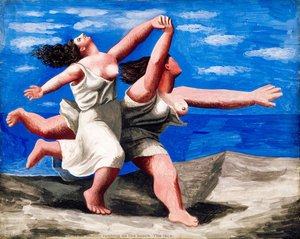
Considered alongside other celebrated pieces like “The Man with a Pipe,” “Standing female nude and man with pipe,” and “Woman with book,” "The Aubade" reveals Picasso's unwavering commitment to exploring themes of human emotion and artistic innovation. These works demonstrate his profound understanding of the psychological landscape—a hallmark of Surrealism—and solidify his enduring legacy as an artist who fundamentally reshaped the course of modern art.
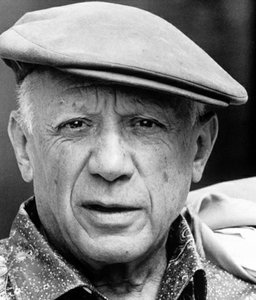
1881 - 1973 , İspanya

Ditch the boring decor. Discover why Naive Art's raw, bold, and unfiltered aesthetic is the ultimate trend for modern urban spaces. Learn how to use vibrant colors and unstudied sincerity to create a high-impact, authentic vibe in your home or studio.


En son sanat haberlerinden, özel tekliflerden ve dekorasyon fikirlerinden haberdar olun.
Projenizden bize bahsedin; sanat uzmanlarımız size özel 3 sanat eseri önerisi sunsun.
Size Özel 3 Seçeneği Ücretsiz Olarak Hazırlayalım!


 Önizleme yap
 Paylaş
 Paylaş
 Detayları Gör

 İndir
İndir
 Benzerlerini gör
 X-Işını
 Slayt Gösterisi
 Tümünü Gör







 Cam seçeneği yalnızca 110 cm altındaki boyutlar için mevcuttur.