Hızlı üretim ve esnek bitiş seçenekleriyle müze kalitesinde giclée veya kanvas baskı. ( El yapımı tablo satın al Görsel satın al)





























Eserin orijinal oranlarıyla uyumlu, önceden belirlenmiş boyutlarımız arasından seçim yapın.

Belirli bir çerçeveye veya alana uyması için kendi ölçülerinizi girebilirsiniz. Seçtiğiniz boyut orijinal görüntünün oranlarıyla eşleşmiyorsa, sanat eserini kırpacağız veya görüntüyü aynalanmış ya da düz dolgulu bir kenarlıkla genişleteceğiz. Üretim başlamadan önce onayınız için bir dijital taslak gönderilecektir.
Lütfen ekrandaki önizlemenin gerçek kırpma veya genişletmeyi yansıtmadığını unutmayın. Nihai kompozisyonu yalnızca taslak doğru bir şekilde gösterecektir.
Özel boyutlar mevcut olsa da, orijinal oranları korumak için önceden tanımlanmış listeden bir boyut seçmenizi öneririz.
Dünya Çapında Teslimat (); standart 4/5 hafta yerine 2 haftada. (15 Ağustos)


The corrida
Reproduksiyon Boyutu
Pablo Picasso’s "The Corrida," painted in 1901, offers a fascinating window into the artist's early artistic development and his fascination with Spanish culture. This oil on canvas piece, created during his Realist period, depicts a bullfight scene with remarkable detail and emotional intensity. It stands as a testament to Picasso’s ability to capture dynamic moments with precision before his later explorations of Cubism and abstraction.
The painting presents a bustling arena filled with horses, bulls, and spectators. The composition is carefully structured to convey the energy and drama of the bullfight. At least five horses are depicted in various positions, some closer to the viewer creating depth, while others recede into the background. Several bulls populate the scene, their presence contributing to the overall sense of movement and tension. Human figures, seemingly both participants and observers, add a layer of complexity to the narrative. Picasso’s style during this period is characterized by its realism – an attempt to accurately represent the subject matter with meticulous detail. However, even in this early work, hints of his future stylistic innovations can be observed through expressive brushstrokes and a vibrant color palette.
The Corrida was created during a period when Picasso was deeply influenced by Spanish culture and traditions. Bullfighting held (and continues to hold) significant cultural importance in Spain, representing a complex blend of spectacle, tradition, and symbolism. Picasso’s choice of subject reflects his interest in exploring themes of courage, conflict, and the human condition within this specific cultural context. The painting provides insight into the social landscape of early 20th-century Spain, where bullfighting was a popular form of entertainment and a deeply ingrained part of national identity.
Beyond its depiction of a bullfight, "The Corrida" evokes a range of emotions. The dynamic composition and intense colors create a sense of excitement and tension. The presence of the bulls and horses symbolizes raw power and untamed energy, while the human figures represent both vulnerability and courage. The painting’s realism amplifies its emotional impact, allowing viewers to connect with the scene on a visceral level. While seemingly straightforward in its depiction, "The Corrida" invites contemplation about themes of life, death, and the complexities of human interaction within a ritualistic setting.
"The Corrida" is an important work within Picasso’s broader exploration of Spanish culture. It demonstrates his early mastery of realism and foreshadows his later artistic innovations. This painting, alongside other works like "Bullfight Scene" and "Bullfight, the death of the torero," showcases Picasso's enduring fascination with bullfighting as a subject matter. Studying “The Corrida” provides valuable context for understanding Picasso’s artistic evolution and appreciating the depth of his engagement with Spanish traditions.
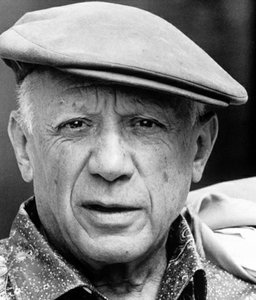
1881 - 1973 , İspanya

Pablo Picasso'nun en ikonik 25 eserini keşfedin! Kübizm, soyut sanat ve daha fazlası... Her tablonun ardındaki hikaye, renkler ve teknikler BuyPopArt'ta. Evinizi sanatla zenginleştirin. Tüm şaheserleri BuyPopArt.com'da keşfedin.

Explore 10 Cubist masterpieces by Picasso, Braque & more! Delve into the history of this revolutionary art movement. Find museum-quality reproductions and elevate your home decor with BuyPopArt. Discover all masterpieces on BuyPopArt.com

Explore 10 revolutionary Cubist portraits by Picasso, Braque & more! Discover the stories behind these iconic paintings and how they shaped modern art. Find museum-quality reproductions to elevate your home decor on BuyPopArt.com.

Explore 10 Cubist masterpieces by Picasso, Braque & more! Discover the stories behind these revolutionary paintings and their impact on modern art. Find museum-quality reproductions for your home at BuyPopArt.com – where art comes to life.

Explore the revolutionary art of Pablo Picasso with BuyPopArt.com. Discover Cubism's origins, symbolism in his masterpieces & investment insights for collectors. Expert appraisal & custom reproductions available.


En son sanat haberlerinden, özel tekliflerden ve dekorasyon fikirlerinden haberdar olun.
Projenizden bize bahsedin; sanat uzmanlarımız size özel 3 sanat eseri önerisi sunsun.
Size Özel 3 Seçeneği Ücretsiz Olarak Hazırlayalım!


 Önizleme yap
 Paylaş
 Paylaş
 Detayları Gör

 İndir
İndir
 Benzerlerini gör
 X-Işını
 Slayt Gösterisi

 Tümünü Gör







 Cam seçeneği yalnızca 110 cm altındaki boyutlar için mevcuttur.