Hızlı üretim ve esnek bitiş seçenekleriyle müze kalitesinde giclée veya kanvas baskı. ( El yapımı tablo satın al Görsel satın al)





























Eserin orijinal oranlarıyla uyumlu, önceden belirlenmiş boyutlarımız arasından seçim yapın.

Belirli bir çerçeveye veya alana uyması için kendi ölçülerinizi girebilirsiniz. Seçtiğiniz boyut orijinal görüntünün oranlarıyla eşleşmiyorsa, sanat eserini kırpacağız veya görüntüyü aynalanmış ya da düz dolgulu bir kenarlıkla genişleteceğiz. Üretim başlamadan önce onayınız için bir dijital taslak gönderilecektir.
Lütfen ekrandaki önizlemenin gerçek kırpma veya genişletmeyi yansıtmadığını unutmayın. Nihai kompozisyonu yalnızca taslak doğru bir şekilde gösterecektir.
Özel boyutlar mevcut olsa da, orijinal oranları korumak için önceden tanımlanmış listeden bir boyut seçmenizi öneririz.
Dünya Çapında Teslimat (); standart 4/5 hafta yerine 2 haftada. (18 Ağustos)


Landscape
Reproduksiyon Boyutu
Paul Cézanne's "Landscape," painted in 1867, isn't merely a depiction of the Provençal countryside; it’s a foundational moment in art history – a bold step away from academic tradition and towards the radical experimentation that would define much of the 20th century. Cézanne didn’t seek to replicate nature with photographic precision; instead, he undertook a profound act of reconstruction, distilling the essence of the landscape into its fundamental geometric forms. This wasn't simply painting what he *saw*, but rather constructing a world according to his own deeply felt understanding of space and color – an approach that would profoundly influence generations of artists, from Van Gogh to Picasso.
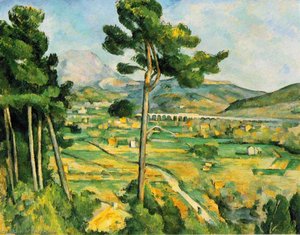
The painting presents a remarkably tranquil rural scene – a gently sloping field leading towards distant trees beneath a dramatic, cloud-streaked sky. Two sheep graze peacefully in the foreground, anchoring the composition and offering a sense of scale within this vast landscape. Subtly interwoven into the scene are hints of movement: the suggestion of birds soaring through the air, adding an element of vibrancy and life to the otherwise still tableau. However, beneath this apparent serenity lies Cézanne’s deliberate construction. He consciously avoids the picturesque vistas favored by earlier artists; instead, he arranges forms and colors with a meticulous precision, designed not just to represent the landscape's appearance, but to convey its *feeling* – a deeply subjective experience of space and light.
Cézanne’s technique is immediately recognizable. He employs small, deliberate brushstrokes – often described as “modulations” – that build up texture and form with astonishing subtlety. These aren't the smooth, blended strokes favored by academic painters; instead, they are broken, fragmented, almost mosaic-like, emphasizing the very materiality of the paint itself. Remarkably, Cézanne doesn’t mix colors on his palette to achieve subtle gradations. Instead, he applies them directly to the canvas in distinct patches – blues and greens for the distance, warmer tones for the foreground – allowing the viewer's eye to blend them optically. This technique creates a vibrant, dynamic surface, full of visual energy and a sense of depth that defies traditional perspective. It’s a revolutionary approach, anticipating the abstract tendencies of later movements.
Cézanne emerged during a period of intense artistic ferment – a time when the established conventions of academic art were being challenged by the burgeoning Impressionist movement. He initially absorbed many of their ideas, particularly their focus on light and color, but he resisted their emphasis on fleeting impressions. Instead, Cézanne sought to create paintings that possessed a sense of solidity and permanence, based on underlying geometric structures. This quest positioned him as a crucial bridge between the dissolving forms of Impressionism and the fragmented perspectives of Cubism – a pivotal figure in the evolution of modern art. His work laid the groundwork for artists like Picasso and Matisse, who would later acknowledge him as “the father of us all.”
While "Landscape" isn't overtly symbolic in a traditional sense, it evokes a profound sense of quiet contemplation and reverence for the natural world. The vastness of the sky and the solidity of the land suggest an enduring power – a connection to something ancient and timeless. The sheep, traditionally symbols of innocence and tranquility, contribute to this peaceful atmosphere. However, Cézanne’s deliberate distortion of perspective and simplification of forms also introduce a subtle element of ambiguity and intellectual challenge. The painting isn't simply *about* landscape; it’s about how we perceive and construct our understanding of the world around us – a reflection on the act of seeing itself. It invites viewers to slow down, observe carefully, and engage with the artwork on an emotional and intellectual level.
For Collectors & Interior Designers: A reproduction of Cézanne’s “Landscape” adds a touch of sophisticated artistry to any space. Its muted color palette and serene subject matter complement a wide range of interior design styles, from traditional to contemporary. Owning a high-quality reproduction allows you to connect with one of the most influential artists of all time. Explore exquisite handmade oil painting reproductions of Cézanne’s masterpieces at BuyPopArt.com
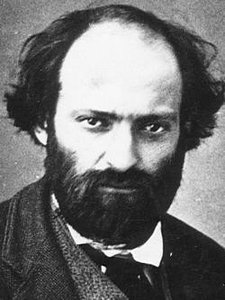
1839 - 1906 , Fransa

Explore the profound evolution of art from Impressionism to Post-Impressionism. Discover how masters like Van Gogh revolutionized color and emotion, shaping modern art history through structural innovation and expressive technique.


En son sanat haberlerinden, özel tekliflerden ve dekorasyon fikirlerinden haberdar olun.
Projenizden bize bahsedin; sanat uzmanlarımız size özel 3 sanat eseri önerisi sunsun.
Size Özel 3 Seçeneği Ücretsiz Olarak Hazırlayalım!


 Önizleme yap
 Paylaş
 Paylaş
 Detayları Gör

 İndir
İndir
 Benzerlerini gör
 X-Işını
 Slayt Gösterisi

 Tümünü Gör







 Cam seçeneği yalnızca 110 cm altındaki boyutlar için mevcuttur.