

 Acrylic On CanvasWallArtCapitalist Realism
 1968
1968 60.0 x 50.0 cm
 Serralves Vakfı
Çevrimiçi önizlemeden çok daha üstün, yüksek çözünürlüklü ve iyileştirilmiş bir dijital görüntü satın alın.
Her dosya, uzman ekibimiz tarafından gelişmiş araçlar ve titiz manuel rötuş teknikleri kullanılarak özenle hazırlanır. Her görüntünün olağanüstü netliğe, kusursuz renk doğruluğuna ve ince ayrıntılara sahip olduğundan emin oluruz.
Son dosya; profesyonel, editoryal ve baskı süreçlerinde anında kullanıma uygun şekilde optimize edilerek 72 saat içinde e-posta yoluyla teslim edilir. Bu, seçkin tasarım stüdyoları, yayıncılar ve galerilerin güvendiği aynı kalite standartlarındadır.
Kişisel sergileme, baskı ve yaratıcı projeleriniz için yüksek çözünürlüklü bir dosya indirin. ( Baskı satın al El yapımı tablo satın al)
BuyPopArt.com seçtiğinizde, sadece bir görsel edinmekle kalmaz; titizlikle hazırlanmış, profesyonelce iyileştirilmiş dijital bir sanat eserine sahip olur ve memnuniyet garantisiyle güvence altına alınırsınız. Siparişinizle birlikte otomatik olarak sunulan her şey şunlardır:

Yüksek çözünürlüklü dijital görüntü dosyanız, siparişinizin üzerinden en geç 72 saat geçmeden e-posta ile size gönderilecektir; hemen kullanıma hazırdır.

Sanat eseriniz; maksimum detay, netlik ve renk doğruluğu sağlamak amacıyla gelişmiş yapay zeka araçları ve manuel düzenleme kullanılarak profesyonelce optimize edilmektedir.

Dosyanızı yanlışlıkla mı sildiniz yoksa kayıp mı oldu? Endişelenmeyin; dosyanızı dilediğiniz zaman size ücretsiz olarak tekrar göndereceğiz.

Sanat eserinizin tadını gümrük vergisi, harç veya teslimat ücreti ödemeden anında çıkarın; dijital indirmeler her zaman vergiden muaftır.

Profesyonel araçlar ve renk yönetimi kullanarak dijital görselinizin orijinal renklere mümkün olduğunca yakın yansıtılmasını sağlıyoruz.

If you're not satisfied with your digital image, we'll revise it or refund 100% within 60 days - no questions asked.

Memnun kalmadınız mı? Dijital dosyanızı aldıktan sonraki 60 gün içinde, hiçbir soru sorulmaksızın tam iade alın.

Buy 3 images, save 10% - Buy 5, save 15% - Buy 10+, save 20%. Great for creative projects, galleries, and agencies.
Sigmar Polke's "Sem título" (1968), a deceptively simple grid of black and white photographs, is far more than just a collection of meticulously arranged objects. It’s a profound exploration of memory, displacement, and the inherent instability of visual perception – themes deeply rooted in the artist’s own turbulent personal history. Born in Poland amidst the upheaval of World War II and subsequently forced to flee to Germany as a child, Polke carried with him an indelible awareness of precariousness and the fragmented nature of identity. This photograph, executed during a pivotal period of artistic experimentation in Düsseldorf, embodies this sensibility through its stark austerity and deliberate reduction of visual information.
The photographs themselves depict a series of still lifes – commonplace objects like furniture fragments, cutlery, and small decorative items – presented against uniformly neutral backgrounds. The compositions are remarkably geometric, emphasizing the inherent shapes and forms of each element. There’s an almost clinical precision to their arrangement, yet this formality is immediately undercut by the deliberate use of shadow and light. Polke masterfully employs a consistent lighting scheme that casts deep, dramatic shadows, lending a sense of weight and solidity to the seemingly mundane subjects. The perspective is frontal and straightforward, eschewing any illusionistic depth or attempt at creating a convincing three-dimensional space. This flattening effect reinforces the photograph’s conceptual core – it's not about depicting reality, but rather about distilling it down to its essential components.
“Sem título” is inextricably linked to Polke’s influential movement, “Kapitalistischer Realismus,” which he co-founded with Gerhard Richter and Konrad Fischer (alias Konrad Lueg) in the early 1960s. This artistic stance rejected the prevailing avant-garde trends of the time, rejecting both abstract expressionism and socialist realism. Instead, it embraced a deliberately uninspired, almost banal style of imagery – mimicking the aesthetic conventions of advertising, mass media, and consumer culture. Polke’s work in this period reflects this ethos; the photographs are devoid of any overt emotionality or artistic pretension, mirroring the detached, repetitive visuals found in commercial art. This deliberate lack of stylistic flourish serves to highlight the inherent artificiality of representation itself, prompting viewers to question how we perceive and interpret images.
The technical execution of “Sem título” is as significant as its conceptual content. Polke’s approach involved a careful balance between control and chance. He utilized a Rollei camera, meticulously framing each composition before capturing the image. However, the subsequent printing process introduced an element of unpredictability. Polke experimented with techniques such as chemical staining and manipulation of negatives and positives, creating layered images that defy simple categorization. The photographs are not simply reproductions of the original arrangements; they’re transformed through a complex interplay of light, shadow, and photographic chemistry. This deliberate blurring of boundaries between photography and painting reflects Polke's broader interest in exploring the limits of both mediums.
Despite its apparent simplicity, “Sem título” is rich with symbolic meaning. The arrangement of objects – seemingly ordinary items elevated to a sculptural form – can be interpreted as a meditation on memory and loss. The starkness of the black and white palette evokes a sense of melancholy and detachment, mirroring Polke’s own experience of displacement and exile. The photographs subtly suggest a feeling of fragmentation and instability, reflecting the artist's awareness of the precariousness of identity in a rapidly changing world. Ultimately, “Sem título” is not merely a visual record; it’s an evocative exploration of the human condition – a poignant reminder of the enduring power of memory and the complexities of perception.
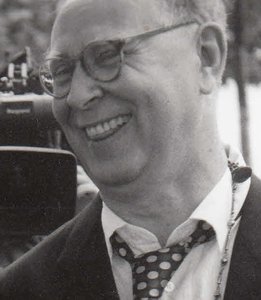
1941 - 2010 , Polonya


En son sanat haberlerinden, özel tekliflerden ve dekorasyon fikirlerinden haberdar olun.
Projenizden bize bahsedin; sanat uzmanlarımız size özel 3 sanat eseri önerisi sunsun.
Size Özel 3 Seçeneği Ücretsiz Olarak Hazırlayalım!


 Önizleme yap
 Paylaş
 Paylaş
 Detayları Gör

 İndir
İndir
 Benzerlerini gör
 X-Işını
 Slayt Gösterisi
 Tümünü Gör


