

Sanatçılarımız tarafından sipariş üzerine hazırlanan; istediğiniz boyut ve çerçevede, tuval üzerine el boyaması yağlı boya. ( Baskı satın al Görsel satın al)





























Eserin orijinal oranlarıyla uyumlu, önceden belirlenmiş boyutlarımız arasından seçim yapın.

Belirli bir çerçeveye veya alana uyması için kendi boyutlarınızı girebilirsiniz. Seçtiğiniz boyut orijinal görüntünün oranlarıyla eşleşmiyorsa, sanat eserini kırparak veya ek el boyaması öğelerle resmi uzatarak ayarlayacağız. Üretim başlamadan önce onayınız için dijital bir taslak gönderilecektir.
Lütfen ekrandaki önizlemenin gerçek kırpmayı veya uzatmayı yansıtmadığını unutmayın. Nihai kompozisyonu yalnızca hazırlanan taslak doğru şekilde gösterecektir.
Özel boyutlar mevcut olsa da, orijinal oranları korumak adına önceden tanımlanmış listeden bir boyut seçmenizi öneririz.
Dünya Çapında Teslimat (); standart 5 hafta yerine 3/4 haftada. (17 Ağustos). Kaliteden ödün verilmez.


Frances Arnold
Reproduksiyon Boyutu
William Hogarth, born in London in 1697, stands as a pivotal figure in English art history—a painter who simultaneously championed realism and satiric critique. His oeuvre transcends mere visual representation; it's a meticulously crafted chronicle of the social landscape of his era, capturing both its grandeur and its hypocrisy with unflinching honesty.
Frances Arnold exemplifies Hogarth’s distinctive approach to portraiture during the Rococo period. Unlike the opulent embellishments favored by aristocratic patrons, Hogarth eschews excessive ornamentation, opting instead for a restrained palette dominated by soft pastel hues—primarily yellows and creams—that imbue the scene with an atmosphere of warmth and tranquility. This deliberate choice underscores Hogarth’s humanist sensibility, prioritizing psychological insight over superficial grandeur.
Beyond its aesthetic qualities, Frances Arnold speaks volumes about the social milieu of Hogarth’s time. The inclusion of musical instruments—a lute and a harp—and books symbolizes Arnold’s education and intellectual pursuits, aligning with Hogarth's fascination in portraying individuals from diverse backgrounds and demonstrating an understanding of societal values.
The painting’s impact extends beyond its depiction of a single woman; it serves as a microcosm of Rococo ideals – beauty, refinement, and moral contemplation. It invites viewers to consider the complexities of human character and the role of art in shaping perceptions of social status.
Hogarth’s masterful execution is achieved through meticulous oil painting techniques. He skillfully blended pigments to create subtle gradations of color, capturing the nuances of light and shadow with remarkable accuracy. The layering process ensured that each brushstroke contributed to a textured surface that conveyed both visual richness and tactile depth.
Frances Arnold is firmly rooted in the Rococo movement—a stylistic reaction against the formality of Baroque art—which flourished in Britain during the reign of Queen Anne (1702-1714). The Rococo aesthetic prioritized lightness, grace, and decorative embellishment, reflecting a shift towards aristocratic leisure and artistic patronage. Hogarth’s work stands apart from its contemporaries by grounding itself in observable reality.
The painting's visual elements—the woman’s attire, her serene demeanor, and the surrounding objects—are laden with symbolic significance. They embody Rococo ideals of beauty and virtue, representing Arnold as an exemplar of feminine grace and intellectual refinement.
Ultimately, Frances Arnold transcends mere portraiture; it evokes a feeling of quiet contemplation—a subtle invitation to appreciate the beauty of human experience. Hogarth’s ability to convey emotion through visual means underscores his enduring legacy as one of England's most perceptive and influential artists.
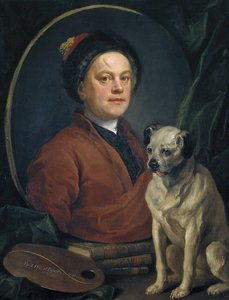
1697 - 1764 , Birleşik Krallık

Discover how Victorian botanical art is transforming modern spaces. Explore high-impact floral aesthetics, from Marianne North's tropical drama to bold, hand-painted reproductions that bring vintage scientific beauty into contemporary urban design.


En son sanat haberlerinden, özel tekliflerden ve dekorasyon fikirlerinden haberdar olun.
Projenizden bize bahsedin; sanat uzmanlarımız size özel 3 sanat eseri önerisi sunsun.
Size Özel 3 Seçeneği Ücretsiz Olarak Hazırlayalım!


 Önizleme yap
 Paylaş
 Paylaş
 Detayları Gör

 İndir
İndir
 Benzerlerini gör
 X-Işını
 Slayt Gösterisi
 Tümünü Gör







 Cam seçeneği yalnızca 110 cm altındaki boyutlar için mevcuttur.


