Музейна якість друку جيкле або на полотні з оперативним виготовленням та різноманітними варіантами фінішної обробки. ( Замовити репродукцію ручної роботи Купити цифрове зображення)





























Обирайте з наших стандартних розмірів, що відповідають оригінальним пропорціям твору мистецтва.

Ви можете вказати власні розміри, щоб репродукція ідеально підійшла до конкретної рами або інтер'єру. Якщо обраний вами розмір не відповідає пропорціям оригіналу, ми або обріжемо полотно, або розширимо зображення за допомогою дзеркального відображення чи суцільної заливки країв. Перед початком виробництва вам буде надіслано цифровий макет для затвердження.
Будь ласка, зверніть увагу, що попередній перегляд на екрані не відображає фактичне обрізання або розширення. Тільки макет точно покаже фінальну композицію.
Хоча можливість замовлення індивідуальних розмірів доступна, ми рекомендуємо обирати формат із попередньо визначеного списку, щоб зберегти оригінальні пропорції.
Доставка по всьому світу () за 2 тижні замість стандартних 4/5 тижнів. (14 Серпень)


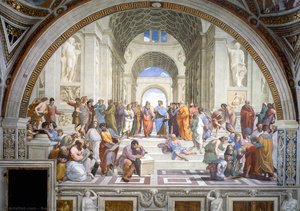
Parnassus (study)
Розмір репродукції
Anton Raphael Mengs' "Parnassus (Study)," painted in 1760, isn’t merely a depiction of a classical scene; it’s a carefully constructed meditation on knowledge, aspiration, and the burgeoning spirit of Neoclassicism. This intimate study, far removed from the grand scale of his later frescoes, offers an unparalleled intimacy with Mengs' artistic process – a rare opportunity to witness the genesis of a masterpiece. The painting captures a gathering around a statue of Apollo, the mythical patron of the arts and sciences, surrounded by figures engaged in various intellectual pursuits. It’s a tableau vivant, brimming with quiet contemplation and subtle gestures that speak volumes about the era’s fascination with reviving classical ideals.
Mengs' style here is distinctly Neoclassical, reflecting the artistic currents of 18th-century Europe. He meticulously adheres to the principles established by artists like Raphael and Michelangelo – a commitment to clarity, balance, and idealized forms. The composition is remarkably ordered; figures are arranged with deliberate precision, creating a sense of harmonious equilibrium. Note the careful use of light and shadow, which sculpts the forms and directs the viewer’s eye across the scene. The muted palette—dominated by earthy tones of ochre, brown, and grey—further enhances the painting's sense of restraint and intellectual seriousness. The background is deliberately vague, emphasizing the figures themselves and drawing attention to their interactions.
Beyond the obvious references to classical mythology and philosophy, “Parnassus (Study)” is rich in subtle symbolism. The inclusion of two bananas – a rather unexpected detail – has sparked considerable debate among art historians. Some interpret them as representing the fruits of knowledge, while others see them as a playful nod to contemporary trends or even a commentary on the fleeting nature of beauty and pleasure. The bowl on the table, filled with fruit, reinforces this theme of abundance and nourishment for the mind. The careful placement of each object contributes to the painting’s layered meaning, inviting viewers to engage in a deeper interpretation.
What truly distinguishes “Parnassus (Study)” is its intimate scale and evident preparatory nature. It’s not a finished masterpiece but rather a study, a glimpse into Mengs’ creative process. The brushstrokes are visible, revealing the artist's hand at work – a testament to his dedication and meticulous attention to detail. The painting exudes a sense of quiet reflection, suggesting that Mengs was not simply documenting a scene but grappling with fundamental questions about art, knowledge, and the role of the individual within society. It’s a poignant reminder that even in grand artistic endeavors, the most profound insights often emerge from moments of focused contemplation.
Reproductions of “Parnassus (Study)” offer a remarkable opportunity to bring this captivating artwork into your home or office. Each carefully crafted reproduction captures the painting's nuanced details and evocative atmosphere, allowing you to appreciate Mengs’ genius for generations to come.

1728 - 1779 , Чехія

Explore the captivating Neo-Classical world of John William Godward. Discover his exquisite paintings, artistic influences, and investment potential. Expert analysis for discerning collectors.

Створіть унікальний витвір мистецтва! Індивідуальні репродукції картин олійним живописом від професійних художників. Консервація, реставрація та ексклюзивний декор для вашого дому. Замовте зараз!

Explore the life & work of Guido Reni, a master of Baroque classicism. Discover his iconic religious & mythological paintings, and understand his enduring influence on art history. Expert analysis for collectors.
Explore the rich history of figure painting with BuyPopArt. Discover Renaissance masterpieces, portraiture's evolution & the enduring power of human representation in art. Expert insights for collectors.
Відкрийте для себе 10 легендарних акрилових шедеврів, що змінили мистецтво! Дізнайтесь історії художників, техніки та значення цих полотен. Купіть репродукції картин на BuyPopArt.com – музейна якість для вашого дому.


Будьте в курсі останніх новин зі світу мистецтва, ексклюзивних пропозицій та ідей для декорування.
Розкажіть нам про свій проєкт, і наші експерти з мистецтва підготують для вас 3 персоналізовані пропозиції щодо творів мистецтва.
Дозвольте нам підібрати 3 варіанти спеціально для вас — безкоштовно!


 Переглянути в інтер'єрі
 Надіслати як листівку
 Поділитися
 Детальніше

 Завантажити
 Схожі експонати
 Рентгенівське дослідження
 Слайд-шоу


 Читати далі







 Скляний варіант доступний лише для розмірів до 110 см