


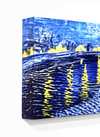
Написана вручну олією на полотні у вашому розмірі та рамі, виготовлена на замовлення нашими художниками. ( Перейти до друку Перейти до зображення)
Обирайте з наших стандартних розмірів, що відповідають оригінальним пропорціям твору мистецтва.

Ви можете вказати власні розміри, щоб репродукція підійшла до конкретної рами або інтер'єру. Якщо вибраний вами розмір не відповідає пропорціям оригіналу, ми або обріжемо полотно, або доповнимо картину додатковими елементами, промальованими вручну. Цифровий макет буде надіслано вам на затвердження перед початком виробництва.
Зверніть увагу, що попередній перегляд на екрані не відображає фактичне обрізання або розширення зображення. Тільки макет точно покаже остаточну композицію.
Хоча ми можемо виготовити виріб у нестандартному розмірі, для збереження оригінальних пропорцій рекомендуємо обирати варіанти зі встановленого списку.
Доставка по всьому світу () за 3–4 тижні замість стандартних 5 тижнів. (31 Липень). Без жодних компромісів у якості.


Max Jacob
Розмір репродукції
Christopher Wood remains one of the most enigmatic and haunting figures of British Modernism, a painter whose brief but brilliant career left an indelible mark on the twentieth-century avant-garde. Born in 1901 in Knowsley, Lancashire, Wood possessed a singular artistic sensibility that defied the rigid categorizations of his era. His work is characterized by a profound, dreamlike quality, where the familiar landscapes of England and France are transformed into symbolic realms of unsettling beauty and deep melancholy. To look upon a Wood painting is to enter a psychological landscape, one where the boundaries between reality and the subconscious are perpetually blurred.
The foundations of his unique aesthetic were laid in his youth, deeply influenced by a childhood fascination with botany and folklore. Nurtured by his father, a botanist, Wood developed an acute eye for the intricate details of the natural world. This scientific precision, however, was never merely observational; it was always filtered through a lens of poetic distortion. His early appreciation for the organic structures of plants and the mysteries of local legends would later manifest in landscapes that feel both meticulously rendered and strangely otherworldly, as if the earth itself were breathing with a hidden, sentient life.
The trajectory of Wood’s career shifted dramatically when he moved to Paris in 1928, a period that would become the crucible of his mature style. Immersed in the vibrant, experimental atmosphere of the French capital, he found himself at the heart of the burgeoning Surrealist movement. Interacting with luminaries such as André Breton and Giorgio Morandi, Wood began to experiment with the concept of automatism—the practice of allowing chance and spontaneous gesture to guide the brush, bypassing the constraints of conscious thought. This period saw his work evolve from traditional representation toward a more complex, symbolic language.
His time in Paris allowed him to synthesize disparate influences into a cohesive, albeit fractured, vision. He mastered the ability to blend the soft, atmospheric textures of Impressionism with the jarring, unexpected juxtapositions central to Surrealism. This tension is perhaps most famously captured in his monumental oil painting, ‘Tiger and Arc de Triomphe.’ In this ambitious work, the ferocious, primal energy of a tiger is set against the structured grandeur of Parisian architecture, creating a powerful dialogue between the wildness of nature and the artifice of civilization. It remains a testament to his ability to capture both the dynamism of movement and a profound sense of stillness.
As his career progressed toward its tragic conclusion in 1930, Wood’s work began to exhibit a fascinating shift toward geometric abstraction. His later sketches, such as the ‘Westmorland Landscape’ from 1929, reveal a move toward simplified forms and a more calculated use of perspective. In these works, the lushness of his earlier style gives way to a sense of serene detachment and structural clarity. Yet, even within this newfound abstraction, an underlying tension remains palpable—a hallmark of his artistic vision that suggests a world held in a delicate, precarious balance.
The historical significance of Christopher Wood lies in his ability to bridge the gap between the English pastoral tradition and the radical experimentation of Continental Europe. He did not merely adopt Surrealism; he translated it into a uniquely British idiom, infusing it with a sense of nostalgia and botanical wonder. Though his life was cut short, his legacy persists through works that continue to haunt and inspire, serving as a poignant reminder of the power of the individual imagination to reshape the world through the lens of dreams.

1901 - 1930 , United Kingdom

Перетворіть ваші улюблені фотографії на безсмертні олійні живописи ручної роботи! Професійні художники, висока якість, індивідуальний підхід. Замовте ексклюзивний подарунок або прикрасьте свій інтер'єр шедевром від BuyPopArt.com.

Commission breathtaking bespoke fantasy art with skilled oil painters. Explore techniques, artist selection & preservation tips. Invest in a unique masterpiece today!
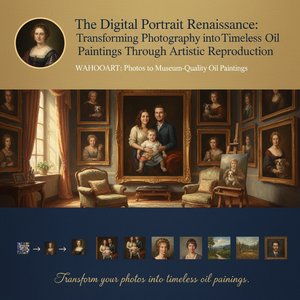
Перетворіть фото на вишуканий олійний портрет! Професійні художники, ручна робота, індивідуальний підхід. Ексклюзивні подарунки та створення шедеврів для вашого дому. Замовте зараз!

Відкрийте для себе 10 найвідоміших картин у теплих відтінках дерева! Історія Рембрандта, Ван Гога та інших майстрів. Репродукції картин високої якості для вашого дому – на BuyPopArt.com.
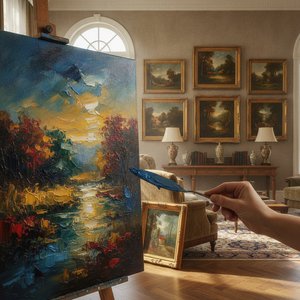
BuyPopArt – високоякісні репродукції олійного живопису та картини на замовлення. Ручна робота, автентичні техніки, персоналізація та гарантія задоволення. Створіть свою сімейну реліквію вже сьогодні!


Будьте в курсі останніх новин зі світу мистецтва, ексклюзивних пропозицій та ідей для декорування.
Розкажіть нам про свій проєкт, і наші експерти з мистецтва підготують для вас 3 персоналізовані пропозиції щодо творів мистецтва.
Дозвольте нам підібрати 3 варіанти спеціально для вас — безкоштовно!


 Переглянути в інтер'єрі
 Надіслати
 Поділитися
 Деталі витвору

 Завантажити
 Схожі вироби
 Рентгенівське дослідження
 Слайд-шоу
 Розгорнути текст
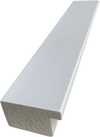
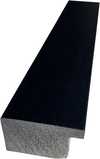
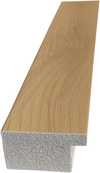
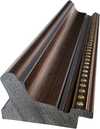
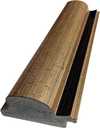
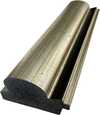
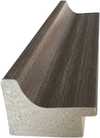
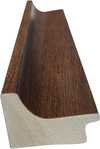
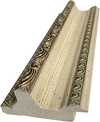
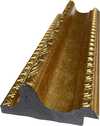
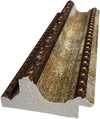
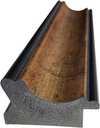
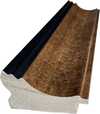
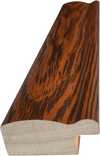
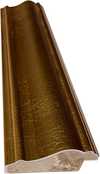
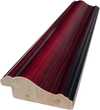
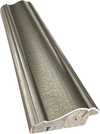
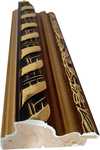
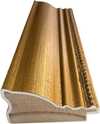
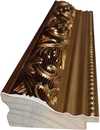
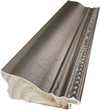
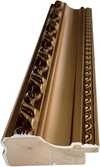
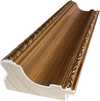
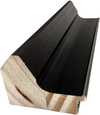
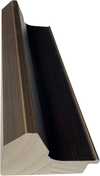
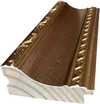
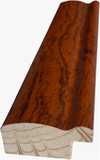
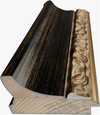
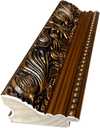
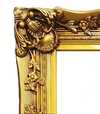
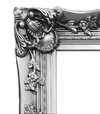
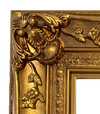
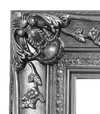
 Скляний варіант доступний лише для розмірів до 110 см


