

 Oil On CanvasWallArtModernism
 1943
1943 41.0 x 36.0 cm
 Arts Council Collection
Музейна якість друку جيкле або на полотні з оперативним виготовленням та різноманітними варіантами фінішної обробки. ( Замовити репродукцію ручної роботи Купити цифрове зображення)





























Обирайте з наших стандартних розмірів, що відповідають оригінальним пропорціям твору мистецтва.

Ви можете вказати власні розміри, щоб репродукція ідеально підійшла до конкретної рами або інтер'єру. Якщо обраний вами розмір не відповідає пропорціям оригіналу, ми або обріжемо полотно, або розширимо зображення за допомогою дзеркального відображення чи суцільної заливки країв. Перед початком виробництва вам буде надіслано цифровий макет для затвердження.
Будь ласка, зверніть увагу, що попередній перегляд на екрані не відображає фактичне обрізання або розширення. Тільки макет точно покаже фінальну композицію.
Хоча можливість замовлення індивідуальних розмірів доступна, ми рекомендуємо обирати формат із попередньо визначеного списку, щоб зберегти оригінальні пропорції.
Доставка по всьому світу () за 2 тижні замість стандартних 4/5 тижнів. (20 Серпень)


Diana
Розмір репродукції
David Bomberg’s Diana, painted in 1943, immediately draws the viewer into a moment of profound introspection. The central figure, clad in a striking red jacket, commands attention against a warm, almost incandescent orange background. Her posture—hand delicately placed near her face, suggesting contemplation or perhaps a momentary veil over deep thought—lends an air of enigmatic grace to the composition. Bomberg, a key member of the vibrant 'Whitechapel Boys,' captures not just a likeness, but a palpable state of being. The interplay between the vivid red garment and the surrounding autumnal glow creates an immediate visual tension, anchoring the viewer's gaze to the woman’s downward, thoughtful expression.
To appreciate Diana is to understand the trajectory of early 20th-century British modernism. While Bomberg’s training exposed him to the structured lessons of Cézanne and the dynamism of avant-garde movements, this piece retains a raw, emotional immediacy characteristic of his later work. His technique here suggests a masterful handling of paint, where form is suggested through bold planes of color rather than minute detail. The presence of other figures—one subtly placed in the upper left and another near the bottom right—suggests that the central subject exists within a larger social or psychological tableau. These secondary elements do not distract; rather, they frame the primary emotion, giving the scene depth beyond a simple portrait.
The title, Diana, evokes classical associations with the huntress and the goddess of the moon—figures often linked to mystery, independence, and feminine power. Yet, Bomberg grounds this mythological echo in a very human moment. The red jacket can be interpreted as passion or vitality against the backdrop of the fading orange light, perhaps symbolizing memory or the passage of time itself. The woman’s gesture is universally understood: it speaks of secrets held close, of beauty observed from within. For the collector or designer, this painting offers more than mere decoration; it offers a conversation piece—a meditation on introspection that resonates deeply in contemporary life.
Reproducing the power of Diana allows one to integrate a piece steeped in artistic history and emotional weight into any interior space. The rich palette, dominated by the fiery contrast of red and orange, makes it an exceptional focal point for rooms seeking depth and character. Whether displayed above a console table or as a centerpiece in a gallery wall, this reproduction captures Bomberg’s unique ability to infuse everyday subjects with monumental feeling. It is a piece that demands a pause, inviting quiet contemplation amidst the bustle of modern living.
Народившись у родині польсько-єврейських іммігрантів, Абрахама та Ребекки Бомберг, він спочатку навчався в Технічній художній школі Сіті та Гілдс, перш ніж опанувати професію літографа в Бірмінгемі.
Під керівництвом Волтера Сікерта у Вестмінстерській школі мистецтв (1908–1910) він перейняв пристрасть майстра до форми та міського життя. Важливим етапом стало знайомство з творчістю Поля Сезанна завдяки виставці Роджера Фрая «Мане та постімпресіоністи» 1910 року. Згодом, навчаючись у Слейд-школі мистецтв (1911), він здобув премію Тонкса за свій портрет однокурсника Айзека Розенберга.
Досвід служби рядовим під час Першої світової війни глибоко вплинув на його художнє бачення, спонукаючи відійти від абстракції.
У 1920-х роках Бомберг перейшов до більш фігуративного стилю, зосередившись на портретах та пейзажах, створених безпосередньо з натури. Він розвивав дедалі експресіоністичнішу техніку, що вирізнялася текстурним імпасто та емоційною інтенсивністю.
Подорожі Близьким Сходом (зокрема Палестиною) та Європою суттєво вплинули на його пізні роботи. Його зображення Єрусалима є особливо визначними.

1890 - 1957 , Сполучене Королівство

Explore the groundbreaking work of David Bomberg, a pivotal figure in British abstraction. Discover his artistic evolution, influences, and lasting legacy through insightful analysis & expert commentary.

Explore the rich symbolism of the red dress in art history! From ancient power displays to iconic portraits like Cézanne’s 'Madame Cezanne', discover the cultural and artistic significance behind this captivating color. Expert analysis & insights.

Відкрийте 25 найвідоміших шедеврів Марка Ротко! Пориньте у світ емоційного абстрактного експресіонізму, колірних симфоній та глибокого психологічного живопису. Купуйте репродукції картин Ротко преміум-якості для вашого дому на BuyPopArt.com.
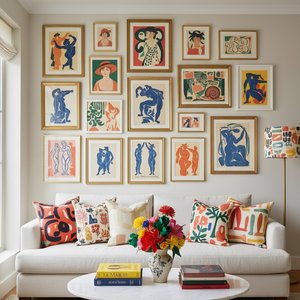
Відкрийте для себе 25 найвідоміших шедеврів Анрі Матісса! Дізнайтесь історію фавізму, колірних рішень та унікального стилю художника. Репродукції картин Матісса для вашого дому – на BuyPopArt.com. Дослідіть колекцію онлайн!

Explore the captivating world of Gerard David, a pivotal figure bridging late medieval artistry with the Early Renaissance. Discover his innovative techniques, religious masterpieces, and enduring legacy – a must-read for discerning art collectors.


Будьте в курсі останніх новин зі світу мистецтва, ексклюзивних пропозицій та ідей для декорування.
Розкажіть нам про свій проєкт, і наші експерти з мистецтва підготують для вас 3 персоналізовані пропозиції щодо творів мистецтва.
Дозвольте нам підібрати 3 варіанти спеціально для вас — безкоштовно!


 Переглянути в інтер'єрі
 Надіслати як листівку
 Поділитися
 Детальніше

 Завантажити
 Схожі експонати
 Рентгенівське дослідження
 Слайд-шоу
 Читати далі







 Скляний варіант доступний лише для розмірів до 110 см


