

 Oil On CanvasWallArtEarly Modern
 1948
1948 132.0 x 99.0 cm
 Walker Art Gallery
Музейна якість друку جيкле або на полотні з оперативним виготовленням та різноманітними варіантами фінішної обробки. ( Перейти до замовлення ручного розпису Перейти до зображення)





























Обирайте з наших стандартних розмірів, що відповідають оригінальним пропорціям твору мистецтва.

Ви можете вказати власні розміри, щоб репродукція ідеально підійшла до конкретної рами або інтер'єру. Якщо обраний вами розмір не відповідає пропорціям оригіналу, ми або обріжемо полотно, або розширимо зображення за допомогою дзеркального відображення чи суцільної заливки країв. Перед початком виробництва вам буде надіслано цифровий макет для затвердження.
Будь ласка, зверніть увагу, що попередній перегляд на екрані не відображає фактичне обрізання або розширення. Тільки макет точно покаже фінальну композицію.
Хоча можливість замовлення індивідуальних розмірів доступна, ми рекомендуємо обирати формат із попередньо визначеного списку, щоб зберегти оригінальні пропорції.
Доставка по всьому світу () за 2 тижні замість стандартних 4/5 тижнів. (6 Серпень)


Sketch
Розмір репродукції
David Bomberg’s “Sketch,” painted in 1948, isn’t merely a depiction of a scene; it’s an embodiment of the artist’s evolving vision during a pivotal period in British art. Born into a Polish-Jewish family in Birmingham and deeply influenced by the avant-garde movements swirling around London – Cubism, Futurism, and the radical ideas championed by Roger Fry – Bomberg sought to translate these complex influences into a distinctly personal language. This particular work, created shortly after his expulsion from the Slade School of Art for his perceived “audacity,” reflects both a rejection of academic constraints and an embrace of dynamic abstraction. The painting’s raw energy and fragmented forms speak volumes about the anxieties and transformations shaping the post-war artistic landscape.

Bomberg’s technique in “Sketch” is immediately arresting. He employs a bold, almost aggressively simplified palette dominated by vibrant reds, oranges, and yellows – colors that evoke both heat and intensity. These hues are layered and blended with remarkable skill, creating a sense of depth and movement despite the painting's predominantly geometric structure. The composition itself is fractured, composed of interlocking planes and angular shapes that seem to vibrate with energy. This deliberate fragmentation isn’t chaotic; rather, it mirrors the artist’s exploration of form and his desire to capture not just what he *saw*, but how he *felt* about what he saw. The use of thick impasto – applying paint in heavy layers – adds a tactile quality to the work, inviting the viewer to engage with its surface.
Bomberg was part of the “Whitechapel Boys,” a group of young artists who challenged the established artistic conventions of early 20th-century London. This collective, including Mark Gertler and Stanley Spencer, were deeply influenced by the avant-garde movements emerging from Paris and Italy. His time at the Slade School of Art, under the tutelage of Henry Tonks, provided a crucial foundation, but Bomberg quickly surpassed his teacher’s more traditional approach. His work reflects this trajectory, incorporating elements of Cubism – particularly in its emphasis on multiple perspectives – alongside the dynamism of Futurism and the emotional intensity of Expressionism. Further research reveals that Bomberg's exploration of Jerusalem Church (as documented in a separate BuyPopArt article) demonstrates his continued interest in capturing spiritual themes through abstract forms.
“Sketch” is more than just a visually striking composition; it's an exploration of emotional states. The intense colors and fragmented forms evoke feelings of both excitement and unease. Some art historians interpret the painting as a reflection of Bomberg’s personal struggles, particularly his experiences in the trenches during World War I. The dynamism of the composition suggests a restless spirit, while the underlying geometric structure hints at an attempt to impose order on chaos. Ultimately, “Sketch” invites viewers to contemplate the complexities of human experience and the power of art to capture the intangible.
Народившись у родині польсько-єврейських іммігрантів, Абрахама та Ребекки Бомберг, він спочатку навчався в Технічній художній школі Сіті та Гілдс, перш ніж опанувати професію літографа в Бірмінгемі.
Під керівництвом Волтера Сікерта у Вестмінстерській школі мистецтв (1908–1910) він перейняв пристрасть майстра до форми та міського життя. Важливим етапом стало знайомство з творчістю Поля Сезанна завдяки виставці Роджера Фрая «Мане та постімпресіоністи» 1910 року. Згодом, навчаючись у Слейд-школі мистецтв (1911), він здобув премію Тонкса за свій портрет однокурсника Айзека Розенберга.
Досвід служби рядовим під час Першої світової війни глибоко вплинув на його художнє бачення, спонукаючи відійти від абстракції.
У 1920-х роках Бомберг перейшов до більш фігуративного стилю, зосередившись на портретах та пейзажах, створених безпосередньо з натури. Він розвивав дедалі експресіоністичнішу техніку, що вирізнялася текстурним імпасто та емоційною інтенсивністю.
Подорожі Близьким Сходом (зокрема Палестиною) та Європою суттєво вплинули на його пізні роботи. Його зображення Єрусалима є особливо визначними.

1890 - 1957 , Сполучене Королівство
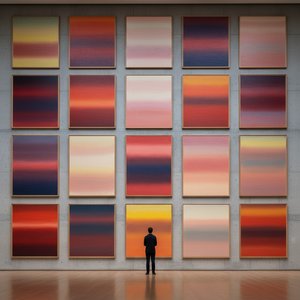
Відкрийте 25 найвідоміших шедеврів Марка Ротко! Пориньте у світ емоційного абстрактного експресіонізму, колірних симфоній та глибокого психологічного живопису. Купуйте репродукції картин Ротко преміум-якості для вашого дому на BuyPopArt.com.
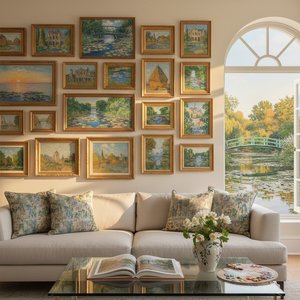
Відкрийте для себе 25 найвідоміших шедеврів Клода Моне! Історія імпресіонізму, пейзажі, водні лілії та унікальні техніки живопису. Репродукції картин високої якості для вашого дому від BuyPopArt.com. Дослідіть всю колекцію онлайн!
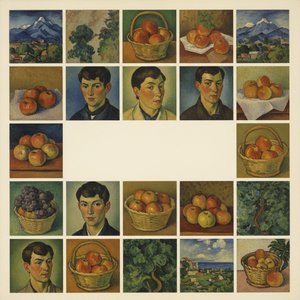
Відкрийте 25 найвідоміших картин Поля Сезанна! Дослідіть імпресіонізм, натюрморти та пейзажі художника. Купіть високоякісні репродукції та знайдіть ідеальний декор для вашого дому на BuyPopArt.com.

Відкрийте для себе 10 знаменитих картин у сірих тонах від Ван Гога, Моне та інших майстрів! Дізнайтесь історію створення шедеврів імпресіонізму та постімпресіонізму. Купіть репродукцію високої якості на BuyPopArt.com – для елегантного декору вашого дому.

Відкрийте для себе 25 найкращих картин Вінслова Гомера – американського імпресіоніста, майстра морських пейзажів та жанрових сцен. Історія мистецтва, техніки живопису та емоційний вплив шедеврів. Репродукції картин на BuyPopArt.com!


Будьте в курсі останніх новин зі світу мистецтва, ексклюзивних пропозицій та ідей для декорування.
Розкажіть нам про свій проєкт, і наші експерти з мистецтва підготують для вас 3 персоналізовані пропозиції щодо творів мистецтва.
Дозвольте нам підібрати 3 варіанти спеціально для вас — безкоштовно!


 Переглянути в інтер'єрі
 Надіслати
 Поділитися
 Деталі

 Завантажити
 Схожі експонати
 Рентгенівське дослідження
 Слайд-шоу
 Читати далі







 Скляний варіант доступний лише для розмірів до 110 см


