Sell Your Art
x
PreviewPreview Замовити друк Замовити друкЗамовити репродукцію Замовити репродукцію НадіслатиНадіслати
Деталі витворуДеталі витвору Додати до улюблених Додати до улюблених ЗавантажитиЗавантажити Схожі виробиСхожі вироби Рентгенівське дослідженняРентгенівське дослідження Слайд-шоуСлайд-шоу

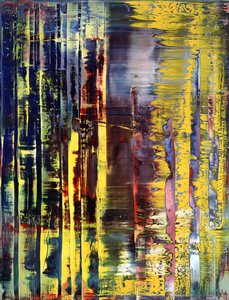
Three Figures

Explore Dino Aranda’s ‘Three Figures’ (1968) – a fragmented, impressionistic oil painting featuring muted tones & layered textures. A unique piece of Latin American art.

Discover Dino Aranda, a Nicaraguan-born artist known for evolving contemporary works exploring Latin American identity & abstract forms. See his art now!

Придбайте цифрову копію високої роздільної здатності з покращеною якістю, що значно перевершує онлайн-перегляд.

Кожен файл ретельно підготовлений нашими фахівцями за допомогою сучасних інструментів та професійної ручної ретуші. Ми гарантуємо виняткову чіткість, точну передачу кольору та високу деталізацію кожного зображення.

Фінальний файл надсилається електронною поштою протягом 72 годин і оптимізований для негайного використання у професійних виданнях та друкованих матеріалах. Таку якість обирають провідні дизайнерські студії, видавництва та галереї.

Цифрове зображення

Завантажте файл високої роздільної здатності для особистого перегляду, друку та творчих проєктів.

Підсумкова ціна

$9.99

Включено в кожне замовлення цифрових зображень

Експертна цифрова доставка, гарантовано

Обираючи BuyPopArt.com, ви отримуєте не просто зображення — ви отримуєте професійно вдосконалений цифровий витвір мистецтва, створений з надзвичайною точністю та підкріплений гарантією задоволення. Ось усе, що автоматично додається до вашого замовлення:

shipping_icon
Швидка доставка на email

Ваш цифровий файл із зображенням високої роздільної здатності буде надісланий вам електронною поштою протягом 72 годин після оформлення замовлення — він буде готовий до негайного використання.

canvas_icon
Цифровий файл із покращенням ШІ

Ваш витвір мистецтва професійно оптимізовано за допомогою передових інструментів штучного інтелекту та ручної корекції, що забезпечує максимальну деталізацію, чіткість і точність передачі кольорів.

insurance_icon
Безкоштовне повторне надання послуг протягом усього життя

Випадково видалили або втратили файл? Не хвилюйтеся — ми надішлемо його вам повторно в будь-який час безкоштовно.

tax_icon
Без митних зборів — завжди

Насолоджуйтесь вашим витвором мистецтва миттєво без жодних мит, зборів або плати за доставку — цифрові завантаження завжди не оподатковуються.

color_icon
Гарантія точності кольорів

Ми гарантуємо, що ваше цифрове зображення максимально точно відтворює оригінальні кольори завдяки використанню професійних інструментів та систем управління кольором.

return_icon
Гарантія задоволення протягом 60 днів

Якщо ви не задоволені придбаним цифровим зображенням, ми відкоригуємо його або повернемо 100% вартості протягом 60 днів — без жодних запитань.

guarantee_icon
Гарантія повернення 100% коштів

Не задоволені покупкою? Отримайте повне повернення коштів протягом 60 днів після отримання цифрового файлу — без жодних запитань.

discount_icon
Знижки на оптові замовлення

Купуйте 3 зображення — заощаджуйте 10% — Купуйте 5 — заощаджуйте 15% — Купуйте 10+ — заощаджуйте 20%. Чудово підходить для творчих проєктів, галерей та агентств.


Біографія митця

Dino Aranda: A Legacy of Latin American Abstraction

Dino Aranda, born in Managua, Nicaragua, in 1945, is a compelling figure within the landscape of contemporary art, particularly for his significant contributions to the vibrant artistic community flourishing in New York and Washington D.C. during the latter half of the 20th century. His journey as an artist began at the School of Fine Arts in Managua between 1957 and 1963, laying a foundational understanding of technique and form that would later inform his distinctive style. Aranda’s work isn't simply about representation; it’s a deeply personal exploration of Latin American identity, often conveyed through layers of abstraction and evocative symbolism. He moved to the United States in the early 1970s, immersing himself within a dynamic artistic environment that profoundly shaped his evolving aesthetic.

Early Influences and Artistic Development

Aranda’s formative years in Nicaragua instilled in him a sensitivity to color, texture, and the rich cultural heritage of his homeland. While details about specific early influences remain somewhat sparse, it's understood that he was exposed to traditional Nicaraguan art forms alongside burgeoning modern movements. This dual influence is evident in his later work – a careful balance between the raw energy of abstraction and the subtle echoes of Latin American iconography. His time at the School of Fine Arts provided him with essential skills, but it was his relocation to the United States that truly catalyzed his artistic growth. The diverse and challenging environment of New York and Washington D.C. exposed him to a vast array of artistic styles, from Abstract Expressionism to Pop Art, pushing him to experiment and refine his own unique voice.

Key Works and Recurring Themes

Aranda’s oeuvre is characterized by a remarkable evolution over several decades. Early works often featured bold color palettes and gestural brushstrokes, reflecting the energy of the 1960s. However, as he matured as an artist, his style became increasingly layered and nuanced. Pieces like “Three Figures” (1968), currently held in the Smithsonian American Art Museum’s permanent collection, exemplify this shift. The painting is a fragmented, impressionistic oil work dominated by muted tones and carefully constructed textures—a deliberate departure from straightforward representation. Recurring themes within his body of work include identity, memory, and the complexities of human experience. He frequently employs symbolic imagery – often rooted in Latin American folklore or personal narratives – to convey these ideas. The painting “Pajaro de Hierro Enjaulado (Caged Bird of Iron)” (1969), showcased at the Art Museum of the Americas, powerfully illustrates this approach, using a delicate abstraction to represent themes of confinement and resilience.

Historical Context and Artistic Significance

Aranda’s career unfolded during a period of immense social and political upheaval in Latin America. The 1960s and 70s witnessed widespread protests against authoritarian regimes, economic inequality, and the Cold War. Artists like Aranda played a crucial role in documenting these struggles through their art, often employing symbolism and allegory to convey messages of resistance and hope. His work aligns with a broader trend among Latin American artists who sought to reclaim their cultural heritage and challenge dominant narratives. He was part of a collective of artists—many of whom were exiled from their home countries—who found fertile ground for experimentation and expression in the United States, contributing significantly to the international dialogue surrounding contemporary art.

Continuing Legacy

Dino Aranda continues to be an active artist today, his work exhibited both nationally and internationally. His pieces are held in numerous public and private collections, a testament to their enduring appeal and artistic merit. His legacy extends beyond individual artworks; he represents a vital link between the vibrant artistic traditions of Nicaragua and the dynamic contemporary art scene of the United States. The Smithsonian American Art Museum’s collection, for example, provides a valuable window into his career and highlights the significance of his contributions to the broader narrative of Latin American art. His work remains a powerful reminder of the transformative potential of art as a means of exploring identity, challenging conventions, and fostering dialogue across cultures.
Dino Aranda

Dino Aranda

1945 - , Nicaragua

Короткі факти

  • Artistic Movement Or Style: Contemporary Art
  • Date Of Birth: 1945
  • Full Name: Dino Aranda
  • Nationality: Nicaraguan-American
  • Notable Artworks:
    • Three Figures
    • Pajaro de Hierro Enjaulado
  • Place Of Birth: Managua, Nicaragua