Oil On CanvasWallArtBaroque Revival
 1600Early Modern
 110.0 x 95.0 cm
 Фрінк Коллекшн
Написана вручну олією на полотні у вашому розмірі та рамі, виготовлена на замовлення нашими художниками. ( Замовити принт Купити цифрове зображення)





























Обирайте з наших стандартних розмірів, що відповідають оригінальним пропорціям твору мистецтва.

Ви можете вказати власні розміри, щоб репродукція ідеально підійшла до конкретної рами або інтер'єру. Якщо вибраний вами розмір не відповідає пропорціям оригіналу, ми або обріжемо полотно, або доповнимо картину додатковими елементами, промальованими вручну. Цифровий макет буде надіслано вам на затвердження перед початком виробництва.
Зверніть увагу, що попередній перегляд на екрані не відображає фактичне обрізання або розширення зображення. Тільки макет точно покаже остаточну композицію.
Хоча ми можемо виготовити виріб у нестандартному розмірі, для збереження оригінальних пропорцій рекомендуємо обирати варіанти зі встановленого списку.
Доставка по всьому світу () за 3–4 тижні замість стандартних 5 тижнів. (14 Серпень). Без жодних компромісів у якості.


St. Jerome
Розмір репродукції
In the quiet, shadowed corners of art history, few figures command the room with as much profound gravity as El Greco’s St. Jerome. Created around 1600 in the fervent atmosphere of Toledo, this masterpiece is far more than a mere portrait of a saint; it is a window into the very soul of Mannerism. The painting captures the venerable Doctor of the Church, St. Jerome, not as a distant icon, but as a man deeply immersed in the weight of his own devotion. As he sits amidst an austere setting, his weathered face and long, flowing white beard serve as a testament to a lifetime of intellectual rigor and spiritual searching. The artist masterfully uses a palette of deep reds and soft pinks against a somber, dark background, ensuring that every wrinkle of wisdom and every fold of his scholarly robes pulls the viewer into his private moment of contemplation.
The technique employed by Domenikos Theotokópoulos—the Greek master known as El Greco—is nothing short of transformative. Moving away from the balanced, harmonious ideals of the High Renaissance, El Greco embraces the expressive distortions of Mannerism to evoke a sense of divine unrest. Through the brilliant use of chiaroscuro, he sculpts Jerome’s form with dramatic light and shadow, creating a three-dimensional presence that feels almost tactile. The elongated proportions and flickering, ethereal light characteristic of his style do not merely represent physical reality; they suggest a spiritual reality that transcends the material world. For the discerning collector or interior designer, this painting offers a commanding focal point, bringing a sense of historical depth and dramatic elegance to any sophisticated space.
To understand the emotional resonance of this work, one must look to the streets of Toledo during the turn of the 17th century. This was a city pulsating with Catholic piety, a place where the boundaries between the earthly and the divine felt thin. El Greco, having traveled from the Byzantine traditions of Crete through the vibrant studios of Venice and Rome, arrived in Spain with a unique visual language capable of expressing this intense religious fervor. In St. Jerome, we see the culmination of this journey. The saint, famed for translating the Bible into Latin, is depicted with his book—the very vessel of his life's work—symbolizing the bridge between human intellect and divine revelation.
The symbolism within the composition invites a lingering gaze. The stark contrast between the vibrant red of his cape and the murky depths of the background serves to isolate the subject, mirroring the solitary nature of ascetic life. There is a palpable sense of solitude and intellectual hunger that radiates from the canvas. For those looking to adorn a study, library, or a formal gallery, a high-quality reproduction of this piece provides more than just decoration; it offers an invitation to pause, to reflect, and to engage with one of the most emotionally charged periods in Western art history. It is a piece that does not merely hang on a wall—it breathes life into the architecture surrounding it.
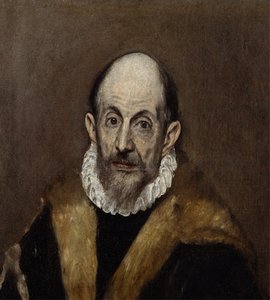
1541 - 1614 , Греція

Відкрийте для себе 25 найзнаковіших шедеврів Ель Греко! Пориньте в світ іспанського живопису, манералізму та духовного мистецтва. Розкішні репродукції картин на BuyPopArt.com – для вашого вишуканого інтер'єру. Дослідіть повну колекцію онлайн!
Відкрийте для себе 25 шедеврів Єроніма Босха! Дослідіть символізм, містику та унікальний стиль нідерландського живопису. Купуйте високоякісні репродукції картин онлайн на BuyPopArt.com – декор стін з історією.

Відкрийте для себе 25 шедеврів Сандро Боттічеллі! Дослідіть історії створення "Народження Венери", "Весни" та інших культових картин Відродження. Репродукції високої якості для вашого дому – BuyPopArt.

BuyPopArt – бездоганні репродукції шедеврів та індивідуальні картини на замовлення. Експерти з багаторічним досвідом створять унікальний твір мистецтва для вашого дому. Замовляйте онлайн з гарантією якості!

Відкрийте для себе 10 найвідоміших картин у кам'яних тонах! Історія мистецтва, художники та техніки від BuyPopArt. Репродукції картин преміум-класу для вашого інтер'єру. Дослідіть колекцію онлайн!


Будьте в курсі останніх новин зі світу мистецтва, ексклюзивних пропозицій та ідей для декорування.
Розкажіть нам про свій проєкт, і наші експерти з мистецтва підготують для вас 3 персоналізовані пропозиції щодо творів мистецтва.
Дозвольте нам підібрати 3 варіанти спеціально для вас — безкоштовно!


 Переглянути в інтер'єрі
 Надіслати як листівку
 Поділитися
 Детальніше

 Завантажити
 Схожі експонати
 Рентгенівське дослідження
 Слайд-шоу
 Читати далі







 Скляний варіант доступний лише для розмірів до 110 см