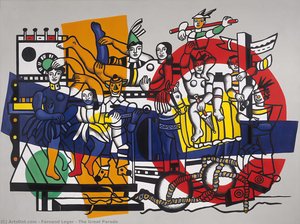
Музейна якість друку جيкле або на полотні з оперативним виготовленням та різноманітними варіантами фінішної обробки. ( Перейти до замовлення ручного розпису Перейти до зображення)





























Обирайте з наших стандартних розмірів, що відповідають оригінальним пропорціям твору мистецтва.

Ви можете вказати власні розміри, щоб репродукція ідеально підійшла до конкретної рами або інтер'єру. Якщо обраний вами розмір не відповідає пропорціям оригіналу, ми або обріжемо полотно, або розширимо зображення за допомогою дзеркального відображення чи суцільної заливки країв. Перед початком виробництва вам буде надіслано цифровий макет для затвердження.
Будь ласка, зверніть увагу, що попередній перегляд на екрані не відображає фактичне обрізання або розширення. Тільки макет точно покаже фінальну композицію.
Хоча можливість замовлення індивідуальних розмірів доступна, ми рекомендуємо обирати формат із попередньо визначеного списку, щоб зберегти оригінальні пропорції.
Доставка по всьому світу () за 2 тижні замість стандартних 4/5 тижнів. (10 Серпень)


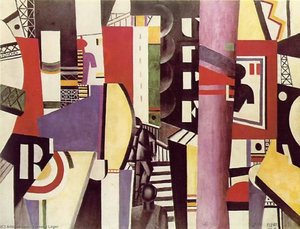
Composition4
Розмір репродукції
Fernand Léger's *Composition 4*, a striking black and white photograph capturing a key example of his modernist oeuvre, offers a compelling glimpse into the heart of an artist profoundly shaped by the burgeoning industrial age. Executed in a style that would become synonymous with his name – a bold synthesis of abstraction and recognizable form – this artwork invites viewers to contemplate the relationship between humanity and machine, a theme central to Léger’s artistic exploration. The image itself presents a carefully arranged tableau: a chair, bottle, cup, bowl, vase, and wine glass coalesce into an abstract composition, their individual identities subsumed within a larger geometric vocabulary. This isn't simply a still life; it’s a deliberate investigation of the visual language emerging from the rapid transformations occurring in France at the turn of the 20th century.
Created by Léger around 1913-1916, *Composition 4* exemplifies the core principles of what he termed “Tubism.” Born from his observations of the mechanized world – locomotives, factory machinery, and urban landscapes – Tubism sought to represent objects not as they appeared in reality but as they were perceived through the lens of industrial form. Léger wasn’t rejecting representation entirely; rather, he was stripping away extraneous detail to reveal the underlying geometric structures that defined these new forms. The repetition of shapes—circles, squares, and cylinders—echoes the rhythmic patterns found in machinery, creating a visual resonance with the dynamism of modern life. This approach directly challenged the prevailing artistic trends of Impressionism and Post-Impressionism, paving the way for further developments in abstract art.
While the photograph captures the essence of the original painting, it’s crucial to understand Léger's technique. He primarily employed oil paint on canvas, often applying thick impasto layers to build up texture and emphasize the three-dimensional qualities of his forms. The stark contrast between black and white in this particular image amplifies these textural effects, highlighting the deliberate physicality of his brushstrokes. Léger’s use of color was initially limited to primary hues – red, yellow, and blue – which he later expanded to include more vibrant tones as his style evolved. This emphasis on materiality—the tangible presence of paint itself—was a defining characteristic of his work, reflecting his fascination with the industrial world's raw materials.
*Composition 4* transcends a mere depiction of objects; it’s imbued with symbolic meaning. The carefully arranged still life can be interpreted as an allegory for humanity’s place within the machine age. The fragmented forms suggest a breakdown of traditional notions of beauty and harmony, reflecting the anxieties and uncertainties surrounding rapid industrialization. Yet, despite this fragmentation, there's also a sense of order and balance, suggesting Léger’s belief in the potential for humans to adapt and thrive amidst technological change. The objects themselves – everyday items elevated to artistic significance – speak to the artist’s desire to find beauty and meaning in the mundane aspects of modern life.
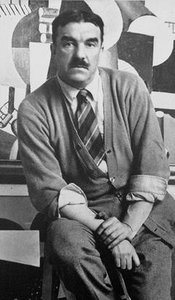
1881 - 1955 , Франція

Explore the power of black, white & gray abstraction in modern interior design. Discover how minimalist art impacts spatial perception & creates sophisticated hotel spaces. Expert insights for designers.
Відкрийте для себе 10 шедеврів мінімалізму від Малевича до Ротко! Історія створення, значення кольорів та технік. Купуйте репродукції картин онлайн на BuyPopArt – музейна якість для вашого інтер'єру. Дослідіть колекцію!

Відкрийте світ Казимира Малевича! Топ-25 шедеврів супрематизму, включаючи легендарний Чорний квадрат. Історія мистецтва, репродукції картин та ідеї декору для вашого дому на BuyPopArt.com. Дослідіть повну колекцію онлайн!
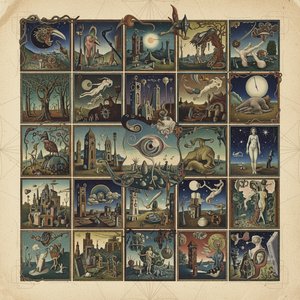
Відкрийте для себе 25 найвідоміших картин Макса Ернста – символів сюрреалізму! Історія творчості, унікальні техніки та глибокий зміст. Репродукції високої якості для вашого інтер'єру на BuyPopArt.com.

Відкрийте світ вишуканого мистецтва відтворення з BuyPopArt! Історія натюрморту, техніки голландських майстрів та персоналізований декор для вашої вілли. Замовте репродукцію своєї улюбленої картини онлайн!


Будьте в курсі останніх новин зі світу мистецтва, ексклюзивних пропозицій та ідей для декорування.
Розкажіть нам про свій проєкт, і наші експерти з мистецтва підготують для вас 3 персоналізовані пропозиції щодо творів мистецтва.
Дозвольте нам підібрати 3 варіанти спеціально для вас — безкоштовно!


 Переглянути в інтер'єрі
 Надіслати
 Поділитися
 Деталі

 Завантажити
 Схожі експонати
 Рентгенівське дослідження
 Слайд-шоу

 Читати далі







 Скляний варіант доступний лише для розмірів до 110 см