

 Acrylic On CanvasWallArtContemporary Realism
 188819th Century
 Музей мистецтва Фредерика Ремінґтона
Музейна якість друку جيкле або на полотні з оперативним виготовленням та різноманітними варіантами фінішної обробки. ( Купити картину ручної роботи Купити зображення)





























Обирайте з наших стандартних розмірів, що відповідають оригінальним пропорціям твору мистецтва.

Ви можете вказати власні розміри, щоб репродукція ідеально підійшла до конкретної рами або інтер'єру. Якщо обраний вами розмір не відповідає пропорціям оригіналу, ми або обріжемо полотно, або розширимо зображення за допомогою дзеркального відображення чи суцільної заливки країв. Перед початком виробництва вам буде надіслано цифровий макет для затвердження.
Будь ласка, зверніть увагу, що попередній перегляд на екрані не відображає фактичне обрізання або розширення. Тільки макет точно покаже фінальну композицію.
Хоча можливість замовлення індивідуальних розмірів доступна, ми рекомендуємо обирати формат із попередньо визначеного списку, щоб зберегти оригінальні пропорції.
Доставка по всьому світу () за 2 тижні замість стандартних 4/5 тижнів. (12 Серпень)


A Comanche
Розмір репродукції
Frederic Remington’s “A Comanche” (1888) is more than just a depiction of a Native American warrior and his horse; it's a poignant snapshot of a rapidly disappearing world. Painted during a period of intense fascination with the American West, this work captures the essence of the frontier – its rugged beauty, its inherent danger, and the complex relationship between European settlers and the indigenous populations who called it home. The painting’s immediate impact lies in its powerful composition: the imposing presence of the horse dominates the foreground, anchoring the scene while simultaneously conveying a sense of raw power and untamed spirit. The Comanche warrior, rendered with meticulous detail, embodies both strength and vulnerability, his gaze fixed on an unseen horizon.
Remington's artistic style is firmly rooted in the Realist movement, yet infused with a distinctly Romantic sensibility. He wasn’t interested in idealized representations of the West; instead, he sought to portray it as he *saw* it – often through the lens of his own observations and the accounts of cowboys and frontiersmen. His technique involved rapid brushwork and bold color choices, creating a sense of immediacy and movement. The thick impasto application of paint, particularly evident in the horse’s musculature and the rider's clothing, adds to the painting’s tactile quality and reinforces its dramatic impact. Remington’s use of light and shadow is masterful, sculpting the figures and enhancing their three-dimensionality. This approach was revolutionary for its time, moving away from academic precision towards a more direct and emotionally charged representation of the subject.
"A Comanche" was created during a crucial period in American history – the late 19th century – a time when westward expansion was accelerating, leading to increasing conflict between settlers and Native Americans. Remington’s work reflects this tension, often romanticizing the frontier while simultaneously documenting its brutal realities. The painting speaks to a broader cultural fascination with the “Wild West,” fueled by dime novels, sensationalized newspaper accounts, and the growing popularity of Buffalo Bill's Wild West Show. Remington himself played a significant role in shaping this perception, becoming one of the most commercially successful artists of his era, largely due to his ability to capture the public’s imagination with scenes of cowboys, Indians, and the vast American landscape.
Beyond its literal depiction, “A Comanche” carries significant symbolic weight. The horse represents freedom, power, and connection to the land – values deeply ingrained in Native American culture. The warrior’s solitary figure embodies resilience, independence, and a profound connection to his heritage. The painting evokes a sense of both awe and melancholy, reminding us of a way of life that was rapidly disappearing. It's a powerful testament to a vanishing world, prompting reflection on themes of cultural displacement, the clash of civilizations, and the enduring allure of the American West. This artwork’s emotional resonance continues to captivate viewers today, solidifying Remington’s legacy as one of the most important chroniclers of this transformative era.

1861 - 1909 , США

Explore the captivating world of Charles Marion Russell, 'the cowboy artist.' Discover his life, iconic paintings, advocacy for Native Americans, and investment potential. A guide for discerning art collectors.
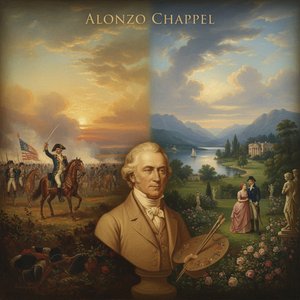
Explore the captivating world of Alonzo Chappel, a master of 19th-century American historical painting. Discover his iconic works, Romantic style & lasting legacy. Learn about collecting Chappel's art today!

Explore the captivating art of Karl Bodmer, whose detailed paintings documented Indigenous life along the Missouri River in the 19th century. Discover his legacy and lasting impact on Western art history.
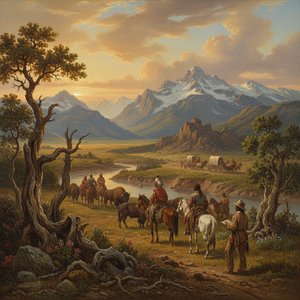
Explore the captivating art of Alfred Jacob Miller, chronicler of the American West. Discover his iconic paintings, techniques & lasting legacy – a valuable addition to any serious collection. Learn more at BuyPopArt.

Explore the life & art of Eanger Irving Couse, a pivotal figure in Southwestern Impressionism and founder of the Taos Society of Artists. Discover his captivating paintings & legacy.


Будьте в курсі останніх новин зі світу мистецтва, ексклюзивних пропозицій та ідей для декорування.
Розкажіть нам про свій проєкт, і наші експерти з мистецтва підготують для вас 3 персоналізовані пропозиції щодо творів мистецтва.
Дозвольте нам підібрати 3 варіанти спеціально для вас — безкоштовно!


 Переглянути в інтер'єрі
 Надіслати
 Поділитися
 Деталі

 Завантажити
 Схожі експонати
 Рентгенівське дослідження
 Слайд-шоу
 Читати далі







 Скляний варіант доступний лише для розмірів до 110 см


