Музейна якість друку جيкле або на полотні з оперативним виготовленням та різноманітними варіантами фінішної обробки. ( Замовити репродукцію ручної роботи Купити цифрове зображення)





























Обирайте з наших стандартних розмірів, що відповідають оригінальним пропорціям твору мистецтва.

Ви можете вказати власні розміри, щоб репродукція ідеально підійшла до конкретної рами або інтер'єру. Якщо обраний вами розмір не відповідає пропорціям оригіналу, ми або обріжемо полотно, або розширимо зображення за допомогою дзеркального відображення чи суцільної заливки країв. Перед початком виробництва вам буде надіслано цифровий макет для затвердження.
Будь ласка, зверніть увагу, що попередній перегляд на екрані не відображає фактичне обрізання або розширення. Тільки макет точно покаже фінальну композицію.
Хоча можливість замовлення індивідуальних розмірів доступна, ми рекомендуємо обирати формат із попередньо визначеного списку, щоб зберегти оригінальні пропорції.
Доставка по всьому світу () за 2 тижні замість стандартних 4/5 тижнів. (16 Серпень)


untitled (9495)
Розмір репродукції
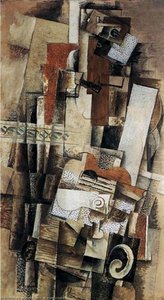
The photograph captures not merely an image of a painting, but a portal into the mind of Georges Braque – a pivotal figure in the birth of Cubism. This particular work, "Untitled (9495)," presented within the muted tones of its documentation, reveals a world deliberately disassembled and reassembled, a visual exploration of perception itself. The grainy texture of the print lends an immediate sense of age and intimacy, as if we’re peering into a private studio, witnessing the genesis of an idea. Braque's genius lay in his ability to challenge the very foundations of representation, moving beyond traditional perspective and illusionism to present multiple viewpoints simultaneously on a single canvas.
“Untitled (9495)” is a quintessential example of Braque’s early explorations within the tenets of Cubism. The composition immediately commands attention with its dense, interlocking planes – squares, rectangles, and triangles dominate the space, creating an almost architectural solidity despite their fragmented nature. These geometric forms aren't simply decorative; they represent a radical shift in how objects were depicted. Braque wasn’t interested in faithfully recreating reality as it appeared to the eye. Instead, he sought to capture its essence through a series of dissected and rearranged elements. The influence of Paul Cézanne is palpable here – Cézanne’s emphasis on geometric forms and multiple viewpoints served as a crucial precursor to Cubism's revolutionary approach. Note the deliberate flattening of perspective; depth cues are minimized, forcing the viewer to actively engage with the image and piece together the fragmented reality presented.
While undeniably abstract, “Untitled (9495)” retains a recognizable core – a still life. The presence of what appears to be bottles and newspapers, hinted at by the text "STAL," suggests an engagement with the mundane realities of modern life. These everyday objects are not rendered realistically but are broken down into their constituent parts, then reassembled in a way that challenges our assumptions about how they should be seen. This deliberate ambiguity invites interpretation; is it a commentary on consumerism? A meditation on memory and documentation? Braque’s work often resists easy answers, encouraging the viewer to contemplate its meaning within a broader context.
Georges Braque’s artistic journey was deeply rooted in his early training as a house painter and decorator. This practical experience instilled in him an understanding of materials, structure, and the inherent beauty of form – skills that he later harnessed to dismantle and reconstruct traditional painting techniques. The muted palette of the photograph, combined with the angular lines and fragmented shapes, evokes a sense of intellectual intensity and quiet contemplation. There’s a feeling of searching, of grappling with new ways of seeing. Braque wasn't simply creating beautiful objects; he was exploring the very nature of perception and representation. His work, like “Untitled (9495),” remains profoundly relevant today, continuing to challenge our assumptions about art and its role in reflecting – and shaping – our understanding of the world.
BuyPopArt offers meticulously crafted hand-painted reproductions of "Untitled (9495)" that capture the essence of Braque’s groundbreaking work. Each reproduction is created by skilled artists, ensuring a faithful representation of the original while retaining its unique power and emotional resonance. Explore our collection today to bring this captivating piece into your home or office.
Жорж Брак, який народився в Аржантеї, Франція, у 1882 році, ступив на шлях, глибоко переплетений із мінливим ландшафтом сучасного мистецтва. Його виховання в родині малярів та декораторів прищепило йому не лише технічне володіння матеріалами, а й раннє відчуття форми та структури. Хоча спочатку він пішов стопами свого батька, притаманна Браку художня схильність невдовзі привела його до формального навчання в École des Beaux-Arts у Гаврі, що стало початком його шляху до звання одного з найвпливовіших живописців XX століття. Цей фундамент — поєднання практичної майстерності та академічного навчання — виявився вирішальним, коли пізніше він почав деконструювати та переосмислювати традиційні художні канони.
Переїхавши до Парижа в 1902 році, Брак продовжив навчання в Académie Humbert, занурюючись у яскраве мистецьке середовище міста. Саме тут він зустрів таких митців, як Марі Лоренсін та Франсіс Пікабіа, зав’язавши зв'язки, що визначали його ранній розвиток. Його перші роботи відображали панівні впливи імпресіонізму та постімпресіонізму, проте вирішальна зустріч із зухвалими кольорами та експресивною свободою фовізму у 1905 році запалила нове спрямування в його мистецьких пошуках.
Прийняття Браком принципів фовізму, що характеризувалися інтенсивним, не натуралістичним кольором та емоційною експресією, яскраво втілене в таких полотнах, як Терпіння. У цей період він працював пліч-о-пліч із такими майстрами, як Анрі Матісс та Андре Дерен, експериментуючи з насиченою палітрою та спрощеними формами. Однак залученість Брока до фовізму не була суто імітаційною; він наповнив його унікальною чутливістю, пом'якшуючи нестримну експресію руху більш стриманим та аналітичним підходом.
Переломний момент настав у 1907 році після знайомства з ретроспективною виставкою робіт Поля Сезанна. Акцент Сезанна на геометричних формах і множинних перспективах глибоко вплинув на Брока, підготувавши ґрунт для його революційної співпраці з Пабло Пікассо. Починаючи з 1908 року, ці два титани мистецтва розпочали період інтенсивного інтелектуального обміну, що дав життя кубізму — революційному руху, який зруйнував традиційні уявлення про репрезентацію.
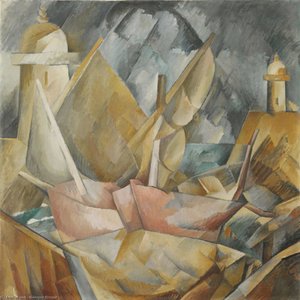
Разом Брак і Пікассо розробили аналітичний кубізм, розбиваючи об'єкти на фрагментовані геометричні фігури та одночасно представляючи кілька точок зору. Такі роботи, як Будинки в Л'Естак, демонструють цю ранню фазу, показуючи радикальний відхід від звичної перспективи та фокус на внутрішній структурі форм. Їхня палітра стала навмисно приглушеною, акцентуючи увагу на формі, а не на кольорі, оскільки вони прагнули передати цілісність присутності об'єкта, а не лише його зовнішній вигляд.
Партнерство Брока та Пікассо продовжувало розсувати межі художнього самовираження, що призвело до розвитку синтетичного кубізму близько 1912 року. Цей етап ознаменувався появою колажу — включенням матеріалів реального світу, таких як вирізки з газет, шпалери та тканина, у живопис. Ця інновація кинула виклик традиційній ієрархії між живописом і скульптурою, розмиваючи межі між мистецтвом і життям.
Першовідкривацьке використання Браком техніки *papier collé* (аплікація з паперу) стало значущою віхою в його творчій еволюції. Інтегруючи фрагменти повсякденних предметів у свої композиції, він порушив ілюзорний простір традиційного живопису та запровадив новий рівень матеріальності й текстури. Ця техніка не лише розширила формальні можливості мистецтва, а й відобразила зростаючий інтерес до взаємозв'язку між репрезентацією та реальністю.
Початок Першої світової війни у 1914 році перервав цю інтенсивну співпрацю, оскільки Брак був призваний на військову службу. Його досвід війни глибоко вплинув на його художнє бачення, спонукаючи досліджувати більш особисті та ліричні теми у своїх післявоєнних роботах.
Після війни стиль Брока еволюціонував за межі суворих рамок кубізму, вбираючи елементи класичної композиції та оновлений інтерес до натюрморту. Зберігаючи геометричний вплив, що визначав його ранні роботи, він розробив більш нюансований і споглядальний підхід до живопису. Його пізні пейзажі та інтер'єри вирізняються спокійною атмосферою та витонченою гармонією кольорів.
Протягом усієї своєї кар'єри Брак залишався відданим дослідженню фундаментальних принципів форми, простору та репрезентації. Він продовжував експериментувати з різними матеріалами та техніками, розсуваючи межі художнього вираження аж до своєї смерті в 1963 році. Його вплив на наступні покоління митців є безмірним; він сформував курс сучасного мистецтва та надихнув незліченну кількість живописців, скульпторів і майстрів колажу.
Спадщина Жоржа Брока виходить за межі його окремих творів; він докорінно змінив наше розуміння того, як ми сприймаємо та представляємо світ навколо нас. Його дух співтворчості з Пікассо у поєднанні з власним унікальним художнім баченням закріпили за ним місце справжнього піонера модернізму — майстра, який наважився кинути виклик традиціям і переосмислити можливості живопису.
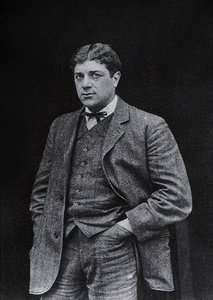
1882 - 1963 , Франція

Explore the revolutionary world of Cubism with BuyPopArt. Discover Picasso & Braque's groundbreaking techniques, its philosophical roots, and lasting impact on modern art. Expert insights for collectors.

Відкрийте для себе 10 шедеврів кубізму від Пікассо, Брака та інших геніїв! Історія мистецтва, унікальні техніки та натхнення для вашого інтер'єру. Репродукції картин преміум-класу – BuyPopArt.

Відкрийте для себе 10 шедеврів кубізму від Пікассо, Брака та інших геніїв! Історія мистецтва, унікальні техніки та натхнення для вашого інтер'єру. Репродукції картин преміум-класу на BuyPopArt.com.

Explore the revolutionary art of Georges Braque, a pioneer of Cubism alongside Picasso. Discover his artistic evolution, key works, and lasting impact on modern art. A guide for discerning collectors.

Відкрийте для себе 25 найвідоміших шедеврів Жоржа Брака! Пориньте у світ кубізму, аналізуйте кольори та техніку легендарного французького художника. Репродукції картин Брак для вашого дому – на BuyPopArt.com


Будьте в курсі останніх новин зі світу мистецтва, ексклюзивних пропозицій та ідей для декорування.
Розкажіть нам про свій проєкт, і наші експерти з мистецтва підготують для вас 3 персоналізовані пропозиції щодо творів мистецтва.
Дозвольте нам підібрати 3 варіанти спеціально для вас — безкоштовно!


 Переглянути в інтер'єрі
 Надіслати як листівку
 Поділитися
 Детальніше

 Завантажити
 Схожі експонати
 Рентгенівське дослідження
 Слайд-шоу
 Читати далі







 Скляний варіант доступний лише для розмірів до 110 см