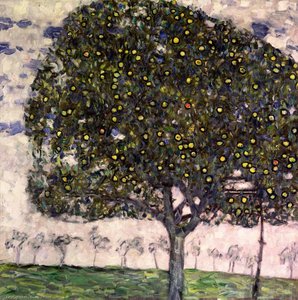
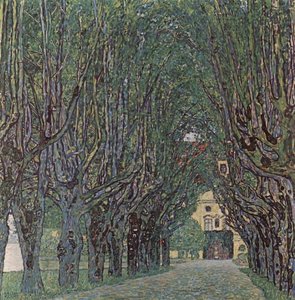
Музейна якість друку جيкле або на полотні з оперативним виготовленням та різноманітними варіантами фінішної обробки. ( Перейти до замовлення ручного розпису Перейти до зображення)
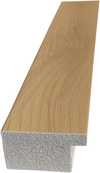
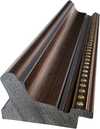
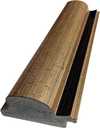
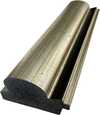
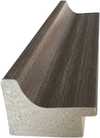
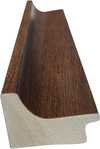
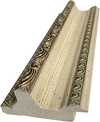
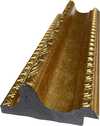
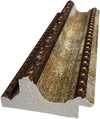
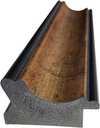
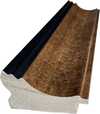
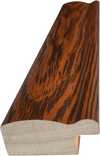
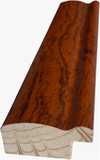
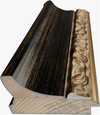
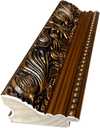
Обирайте з наших стандартних розмірів, що відповідають оригінальним пропорціям твору мистецтва.

Ви можете вказати власні розміри, щоб репродукція ідеально підійшла до конкретної рами або інтер'єру. Якщо обраний вами розмір не відповідає пропорціям оригіналу, ми або обріжемо полотно, або розширимо зображення за допомогою дзеркального відображення чи суцільної заливки країв. Перед початком виробництва вам буде надіслано цифровий макет для затвердження.
Будь ласка, зверніть увагу, що попередній перегляд на екрані не відображає фактичне обрізання або розширення. Тільки макет точно покаже фінальну композицію.
Хоча можливість замовлення індивідуальних розмірів доступна, ми рекомендуємо обирати формат із попередньо визначеного списку, щоб зберегти оригінальні пропорції.
Доставка по всьому світу () за 2 тижні замість стандартних 4/5 тижнів. (31 Липень)


Page 1
Розмір репродукції
While seemingly a simple handwritten document, "Page 1," dated 1913, offers a fascinating and unexpected window into the world of Gustav Klimt. This intimate work diverges from his celebrated opulent paintings, yet reveals crucial aspects of his artistic process and intellectual life during a pivotal period.
The artwork presents a close-up view of aged paper densely covered in cursive script. The composition is not one of grand design, but rather an accumulation of names, dates, and annotations – likely related to musical events or performances. This suggests Klimt was meticulously documenting his social engagements, perhaps even inspirations for future works. The sheer volume of text creates a captivating visual texture, a chaotic order that draws the eye across the page.
“Page 1” showcases Klimt’s skill beyond his signature gilded style. Executed in black ink on aged paper, the technique is straightforward – pen and ink calligraphy. However, the *variations* within the cursive script—different sizes, flourishes, and pressures—reveal a personal touch and an immediacy rarely seen in his more polished works. This piece demonstrates Klimt’s foundational training in draftsmanship, harking back to his early days at the Vienna Kunstgewerbeschule.
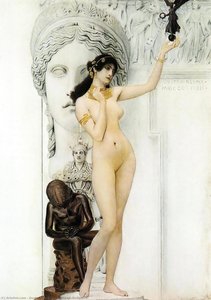
1913 falls within a complex period for Klimt and the Viennese art scene. The height of the Vienna Secession had passed, but its influence remained strong. Klimt was grappling with evolving artistic trends and personal challenges. While known for works like “Pallas Athene” (1898) – a powerful example of Secessionist symbolism – this document suggests a more private, reflective side to the artist. It’s possible these notes relate to performances he attended seeking inspiration or collaborations.
Unlike his allegorical paintings brimming with symbolism, “Page 1” operates on a different level. Its power lies in its authenticity and intimacy. The document isn’t *about* something; it is something – a tangible remnant of Klimt's daily life. The aged paper evokes a sense of history and nostalgia, while the handwritten script feels deeply personal. It invites contemplation on the ephemeral nature of time and memory.
“Page 1” is more than just a document; it's a fragment of Klimt’s world – a testament to his multifaceted talent and enduring legacy.
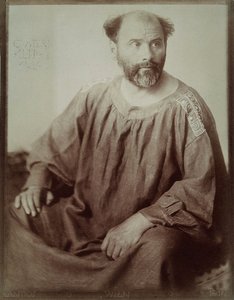
1862 - 1918 , Австрія
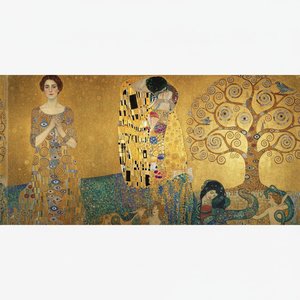
Відкрийте 25 найвідоміших картин Густава Клімта! Мистецтво модерну, віденський сецесіон та золотий вік Відня. Репродукції картин високої якості для вашого дому на BuyPopArt.com. Дослідіть колекцію онлайн!

Відкрийте для себе 10 шедеврів модерну від Мухи, Клімта та інших! Історія мистецтва, унікальні техніки та натхнення для вашого інтер'єру. Купуйте репродукції картин модерну преміум-якості на BuyPopArt.com
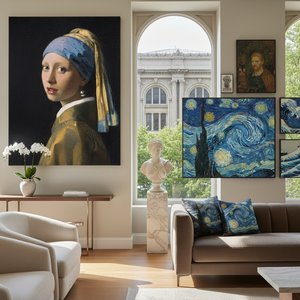
Відкрийте для себе 25 найвідоміших шедеврів Метрополітен-музею! Історія мистецтва від Ван Гога до Моне. Репродукції картин онлайн – надихайтесь та створіть власний розкішний інтер'єр з BuyPopArt.com.

Discover the revolutionary Vienna Secession art movement! Explore Klimt, Olbrich & more. Learn about its history, characteristics & lasting influence on modern art. High-quality reproductions available.

Explore the captivating world of Gustav Klimt with BuyPopArt. Discover his iconic paintings, the Vienna Secession movement, & enduring legacy. High-quality reproductions available.


Будьте в курсі останніх новин зі світу мистецтва, ексклюзивних пропозицій та ідей для декорування.
Розкажіть нам про свій проєкт, і наші експерти з мистецтва підготують для вас 3 персоналізовані пропозиції щодо творів мистецтва.
Дозвольте нам підібрати 3 варіанти спеціально для вас — безкоштовно!


 Переглянути в інтер'єрі
 Надіслати
 Поділитися
 Деталі витвору

 Завантажити
 Схожі вироби
 Рентгенівське дослідження
 Слайд-шоу

 Розгорнути текст
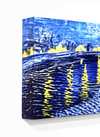
 Скляний варіант доступний лише для розмірів до 110 см