Музейна якість друку جيкле або на полотні з оперативним виготовленням та різноманітними варіантами фінішної обробки. ( Замовити репродукцію ручної роботи Купити цифрове зображення)





























Обирайте з наших стандартних розмірів, що відповідають оригінальним пропорціям твору мистецтва.

Ви можете вказати власні розміри, щоб репродукція ідеально підійшла до конкретної рами або інтер'єру. Якщо обраний вами розмір не відповідає пропорціям оригіналу, ми або обріжемо полотно, або розширимо зображення за допомогою дзеркального відображення чи суцільної заливки країв. Перед початком виробництва вам буде надіслано цифровий макет для затвердження.
Будь ласка, зверніть увагу, що попередній перегляд на екрані не відображає фактичне обрізання або розширення. Тільки макет точно покаже фінальну композицію.
Хоча можливість замовлення індивідуальних розмірів доступна, ми рекомендуємо обирати формат із попередньо визначеного списку, щоб зберегти оригінальні пропорції.
Доставка по всьому світу () за 2 тижні замість стандартних 4/5 тижнів. (16 Серпень)


untitled (5681)
Розмір репродукції
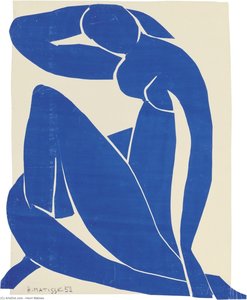
This striking untitled work by Henri Matisse, designated as ‘5681’, presents a compelling and emotionally resonant scene that deviates from his typically bright and optimistic palette. It's a fascinating example of the artist exploring darker psychological territories within a still life framework.
The composition centers around a reclining nude female figure, positioned on a stone bench. This classical motif is immediately juxtaposed with decidedly modern elements: a boldly striped jar teeming with vibrant orange goldfish and a lush bouquet of yellow and pink flowers contained within a purple vase. The arrangement isn’t harmonious in the traditional sense; rather, it feels deliberately unbalanced. The eye is drawn to the stark contrast between the luminous fish and blossoms against the deep, almost oppressive background of purple-grey. This deliberate imbalance contributes significantly to the artwork's overall mood.
While Matisse is celebrated as a founder of Fauvism – known for its explosive color – ‘5681’ reveals an intriguing exploration of Expressionistic tendencies. The forms are distorted, the perspective flattened, and the brushstrokes are thick and gestural. The visible impasto technique—the heavy application of paint—creates a rich texture that adds depth and physicality to the canvas. Lines aren’t used for precise definition but rather as energetic marks conveying movement and emotion. Shapes are simplified and abstracted, moving away from realistic representation towards an evocation of feeling.
The symbolism within this piece is layered and open to interpretation. The goldfish, traditionally associated with fleeting beauty or captive desires, could represent a sense of longing or entrapment. The flowers, while vibrant, are contained – perhaps suggesting constrained joy or the ephemeral nature of life. The nude figure, rendered in somber tones, evokes vulnerability and isolation. The overall effect is one of melancholy and introspection, a departure from Matisse’s more celebratory works.
Born in 1869, Henri Matisse initially trained in law before dedicating himself to art. He absorbed influences from classical masters like Chardin, Poussin and Watteau, building a strong foundation in traditional techniques. However, he quickly evolved beyond these roots, becoming a pivotal figure in the development of modern art. While ‘5681’ doesn't immediately scream “Fauvism,” it demonstrates Matisse’s willingness to experiment with form and color to express inner states – a key characteristic of his artistic journey. This work suggests a period of exploration beyond pure chromatic exuberance, delving into more complex emotional landscapes.
‘Untitled (5681)’ is not merely a visually arresting image; it’s an emotionally charged experience. The artwork evokes feelings of contemplation, vulnerability, and perhaps even a touch of unease. Its dark palette and expressive brushwork make it a powerful statement piece. In an interior design context, this work would lend itself well to spaces seeking depth and sophistication. It could serve as a focal point in a living room or study, adding a layer of intellectual intrigue and artistic gravitas. The contrasting colors – the orange fish and yellow flowers – provide subtle accents that can be echoed in surrounding décor.
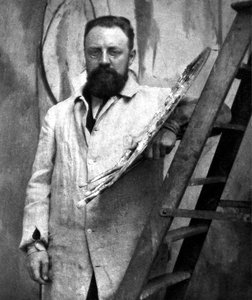
1869 - 1954 , Франція

Ditch the boring decor. Discover why Expressionist art is the ultimate vibe for your space. Explore bold colors, raw emotions, and how to commission custom, hand-painted masterpieces that transform your home into a high-impact gallery of pure, unfiltered energy.


Будьте в курсі останніх новин зі світу мистецтва, ексклюзивних пропозицій та ідей для декорування.
Розкажіть нам про свій проєкт, і наші експерти з мистецтва підготують для вас 3 персоналізовані пропозиції щодо творів мистецтва.
Дозвольте нам підібрати 3 варіанти спеціально для вас — безкоштовно!


 Переглянути в інтер'єрі
 Надіслати як листівку
 Поділитися
 Детальніше

 Завантажити
 Схожі експонати
 Рентгенівське дослідження
 Слайд-шоу
 Читати далі







 Скляний варіант доступний лише для розмірів до 110 см