

 Acrylic On CanvasWallArtNeoclassical Realism
 1778
1778 123.0 x 172.0 cm
 Музей Фабра
Придбайте цифрову копію високої роздільної здатності з покращеною якістю, що значно перевершує онлайн-перегляд.
Кожен файл ретельно підготовлений нашими фахівцями за допомогою сучасних інструментів та професійної ручної ретуші. Ми гарантуємо виняткову чіткість, точну передачу кольору та високу деталізацію кожного зображення.
Фінальний файл надсилається електронною поштою протягом 72 годин і оптимізований для негайного використання у професійних виданнях та друкованих матеріалах. Таку якість обирають провідні дизайнерські студії, видавництва та галереї.
Завантажте файл високої роздільної здатності для особистого використання, друку та творчих проєктів. ( Замовити принт Замовити репродукцію ручної роботи)
Обираючи BuyPopArt.com, ви отримуєте не просто зображення — ви отримуєте професійно вдосконалений цифровий витвір мистецтва, створений з надзвичайною точністю та підкріплений гарантією задоволення. Ось усе, що автоматично додається до вашого замовлення:

Ваш цифровий файл із зображенням високої роздільної здатності буде надісланий вам електронною поштою протягом 72 годин після оформлення замовлення — він буде готовий до негайного використання.

Ваш витвір мистецтва професійно оптимізовано за допомогою передових інструментів штучного інтелекту та ручної корекції, що забезпечує максимальну деталізацію, чіткість і точність передачі кольорів.

Випадково видалили або втратили файл? Не хвилюйтеся — ми надішлемо його вам повторно в будь-який час безкоштовно.

Насолоджуйтесь вашим витвором мистецтва миттєво без жодних мит, зборів або плати за доставку — цифрові завантаження завжди не оподатковуються.

Ми гарантуємо максимально точне відтворення оригінальних кольорів на вашому цифровому зображенні завдяки використанню професійних інструментів та систем управління кольором.

Якщо ви не задоволені придбаним цифровим зображенням, ми відкоригуємо його або повернемо 100% вартості протягом 60 днів — без жодних запитань.

Не задоволені покупкою? Отримайте повне повернення коштів протягом 60 днів після отримання цифрового файлу — без жодних запитань.

Купуйте 3 зображення — заощаджуйте 10% — Купуйте 5 — заощаджуйте 15% — Купуйте 10+ — заощаджуйте 20%. Чудово підходить для творчих проєктів, галерей та агентств.
Jacques-Louis David's *Hector*, painted in 1778, is not merely a depiction of a fallen warrior; it’s a profound meditation on death, duty, and the burgeoning moral anxieties of late 18th-century France. This arresting image, rendered with the meticulous precision characteristic of David’s Neoclassical style, immediately confronts the viewer with a scene of brutal realism juxtaposed against an almost unnerving stillness. The subject, identified as Hector from Virgil's *Aeneid*, lies prone on the ground, his naked body a stark canvas for the crimson stain of blood – a visceral reminder of violent conflict and irreversible loss. The composition is deliberately austere, dominated by the figure’s physicality and the surrounding landscape, stripped of extraneous detail to amplify the emotional intensity.
David's mastery of Neoclassicism shines through in *Hector*. He consciously rejected the frivolous ornamentation of Rococo painting, favoring instead a structured composition rooted in classical ideals. The figure is positioned centrally within a shallow space, drawing immediate attention to his vulnerability. Notice how David employs dramatic chiaroscuro – the stark contrast between light and shadow – to sculpt the body, emphasizing its musculature and highlighting the wounds inflicted upon it. This technique wasn’t simply for aesthetic effect; it served to heighten the sense of pathos and underscore the tragic nature of Hector's demise. The carefully chosen rocks scattered around him aren’t decorative elements but rather anchors within this scene, grounding the figure in a desolate reality.
*Hector* is deeply layered with symbolic meaning, drawing heavily from classical mythology but resonating powerfully within the context of 1778 France. As a hero felled in battle, Hector embodies duty, honor, and sacrifice—values increasingly scrutinized during an era marked by social unrest and philosophical debate. The bowl placed near his hand isn’t simply a prop; it subtly suggests a final offering, perhaps to the gods or a plea for mercy – a poignant detail that amplifies the sense of helplessness. The reference to Virgil's *Aeneid* was particularly relevant at the time, as the epic poem explored themes of leadership, fate, and the responsibilities of rulers—topics that would soon become central to the revolutionary discourse.
Beyond its technical brilliance, *Hector* possesses a haunting emotional resonance. The painting doesn’t glorify war; it confronts us with its brutal consequences. The vulnerability of the fallen hero evokes empathy and prompts reflection on mortality and the fragility of human life. It's a work that speaks to the anxieties simmering beneath the surface of 18th-century France, an era poised on the brink of revolution. David’s *Hector* is more than just a historical painting; it’s a powerful statement about human nature, duty, and the enduring legacy of classical ideals—a timeless masterpiece rendered with unparalleled skill and profound emotional depth. A reproduction captures this intensity beautifully, offering a window into the mind of one of history's most influential artists.
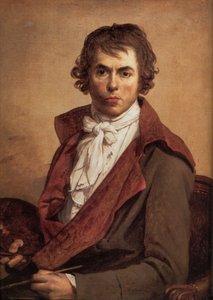
1748 - 1800 , Франція


Будьте в курсі останніх новин зі світу мистецтва, ексклюзивних пропозицій та ідей для декорування.
Розкажіть нам про свій проєкт, і наші експерти з мистецтва підготують для вас 3 персоналізовані пропозиції щодо творів мистецтва.
Дозвольте нам підібрати 3 варіанти спеціально для вас — безкоштовно!


 Переглянути в інтер'єрі
 Надіслати як листівку
 Поділитися
 Детальніше

 Завантажити
 Схожі експонати
 Рентгенівське дослідження
 Слайд-шоу
 Читати далі