

 Акрил на полотніНастінне мистецтвоNeoclassical Movement
 — Високе середньовіччя
 121.0 x 170.0 cm
Написана вручну олією на полотні у вашому розмірі та рамі, виготовлена на замовлення нашими художниками. ( Замовити принт Купити цифрове зображення)





























Обирайте з наших стандартних розмірів, що відповідають оригінальним пропорціям твору мистецтва.

Ви можете вказати власні розміри, щоб репродукція ідеально підійшла до конкретної рами або інтер'єру. Якщо вибраний вами розмір не відповідає пропорціям оригіналу, ми або обріжемо полотно, або доповнимо картину додатковими елементами, промальованими вручну. Цифровий макет буде надіслано вам на затвердження перед початком виробництва.
Зверніть увагу, що попередній перегляд на екрані не відображає фактичне обрізання або розширення зображення. Тільки макет точно покаже остаточну композицію.
Хоча ми можемо виготовити виріб у нестандартному розмірі, для збереження оригінальних пропорцій рекомендуємо обирати варіанти зі встановленого списку.
Доставка по всьому світу () за 3–4 тижні замість стандартних 5 тижнів. (16 Серпень). Без жодних компромісів у якості.


Patrocles
Розмір репродукції
Jacques-Louis David’s “Patrocles,” painted in 1780 and now residing within the Musée Thomas-Henry in Cherbourg-en-Cotentin, France, is more than a mere depiction of a nude male form; it's a profound meditation on heroism, sacrifice, and the enduring power of classical ideals. This monumental work, rendered with David’s signature Neoclassical precision, immediately commands attention through its sheer scale – measuring 121 x 170 cm – and the arresting physicality of its central figure. The composition is strikingly simple yet profoundly effective: a powerfully built man lies prone on a rock, his back turned to the viewer, exposing an anatomy sculpted with meticulous detail and bathed in dramatic chiaroscuro lighting.
David’s artistic journey was one of deliberate transformation. Initially influenced by the opulent frivolity of Rococo painting under François Boucher, he sought a more rigorous aesthetic rooted in antiquity. This shift culminated in his embrace of Neoclassicism, a movement characterized by its reverence for ancient Greek and Roman art and architecture. “Patrocles” embodies this ethos perfectly, drawing inspiration from classical sculpture while simultaneously imbuing the subject with an intensely human drama. The pose itself—a deliberate echo of depictions of fallen heroes found in Roman statues—immediately evokes notions of stoicism, resilience, and ultimate sacrifice.
The painting’s technical brilliance lies in David's masterful manipulation of light and shadow, a technique he honed by studying the dramatic lighting employed by Caravaggio. The stark contrast between illuminated muscle mass and deep shadows creates an astonishing sense of volume and weight, lending the figure an almost sculptural quality. Notice how the light emphasizes the contours of his torso, highlighting the strength and power of his physique—a deliberate reference to the idealized male form celebrated in classical art. The subtle variations in tone suggest a complex understanding of anatomy and a keen eye for capturing the nuances of human musculature.
Beyond the technical prowess, David’s use of color is equally significant. The palette is restrained – primarily earthy tones of ochre, brown, and gray—further emphasizing the painting's classical austerity. This deliberate lack of vibrant hues reinforces the sense of timelessness and elevates the subject beyond mere physical beauty, suggesting instead a profound connection to enduring values.
“Patrocles” is not simply a nude study; it’s an illustration drawn from Homer's *Iliad*, depicting the legendary warrior Patroclus, Achilles’ dearest friend. The story recounts how Patroclus was killed in battle, and his body was subsequently desecrated by Hector of Troy. David’s painting captures the moment after death—a poignant depiction of vulnerability and acceptance. This narrative context adds layers of meaning to the image, transforming it into a meditation on mortality, loyalty, and the tragic consequences of war.
Painted during a period of significant social and political upheaval in France – just before the French Revolution – “Patrocles” reflects the era’s yearning for order, reason, and moral clarity. David's embrace of classical ideals offered a powerful antidote to the perceived excesses of the Rococo style and provided a visual vocabulary for expressing republican values. The painting served as a potent symbol of strength, virtue, and civic duty—qualities that resonated deeply with those seeking to establish a new order in France.
“Patrocles” stands as a cornerstone of Jacques-Louis David’s oeuvre and a defining example of Neoclassical art. Its influence can be seen in countless subsequent works, shaping the visual language of European painting for decades to come. The image's enduring appeal lies not only in its technical mastery but also in its profound exploration of human emotion and timeless themes. Today, reproductions of this powerful artwork offer a unique opportunity to experience the grandeur and intellectual depth of David’s vision—a testament to the lasting legacy of Neoclassicism.
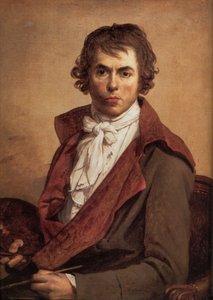
1748 - 1800 , Франція

Explore the life & art of Jacques-Louis David, leading Neoclassical painter of the French Revolution. Discover iconic works like 'The Death of Marat' and his lasting impact on art history. Expert analysis & high-quality reproductions at BuyPopArt.

Explore the captivating world of Neoclassical portraiture! Discover the power & ideals behind masterpieces by David, Girodet & more. Expert analysis, custom reproductions & art appraisal at BuyPopArt.

Explore the captivating history of mythological narratives in Western art! From ancient Greece to modern masterpieces, discover iconic artworks & symbolism. Expert analysis and high-quality reproductions at BuyPopArt.

Explore the revival of classical art with our deep dive into Neoclassicism! Discover key artists like Jacques-Louis David, Enlightenment influences & lasting impact on art history. Learn more now.

Explore the revival of classical art with our deep dive into Neoclassicism! Discover key artists like Jacques-Louis David, Enlightenment influences & lasting impact on art history. High-quality reproductions at BuyPopArt.


Будьте в курсі останніх новин зі світу мистецтва, ексклюзивних пропозицій та ідей для декорування.
Розкажіть нам про свій проєкт, і наші експерти з мистецтва підготують для вас 3 персоналізовані пропозиції щодо творів мистецтва.
Дозвольте нам підібрати 3 варіанти спеціально для вас — безкоштовно!


 Переглянути в інтер'єрі
 Надіслати як листівку
 Поділитися
 Детальніше

 Завантажити
 Схожі експонати
 Рентгенівське дослідження
 Слайд-шоу
 Читати далі







 Скляний варіант доступний лише для розмірів до 110 см


