Музейна якість друку جيкле або на полотні з оперативним виготовленням та різноманітними варіантами фінішної обробки. ( Замовити репродукцію ручної роботи Купити цифрове зображення)





























Обирайте з наших стандартних розмірів, що відповідають оригінальним пропорціям твору мистецтва.

Ви можете вказати власні розміри, щоб репродукція ідеально підійшла до конкретної рами або інтер'єру. Якщо обраний вами розмір не відповідає пропорціям оригіналу, ми або обріжемо полотно, або розширимо зображення за допомогою дзеркального відображення чи суцільної заливки країв. Перед початком виробництва вам буде надіслано цифровий макет для затвердження.
Будь ласка, зверніть увагу, що попередній перегляд на екрані не відображає фактичне обрізання або розширення. Тільки макет точно покаже фінальну композицію.
Хоча можливість замовлення індивідуальних розмірів доступна, ми рекомендуємо обирати формат із попередньо визначеного списку, щоб зберегти оригінальні пропорції.
Доставка по всьому світу () за 2 тижні замість стандартних 4/5 тижнів. (14 Серпень)


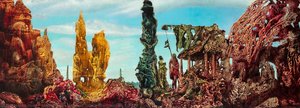
Fleur violette
Розмір репродукції
Max Ernst's "Fleur violette" presents a captivating enigma, a visual puzzle that immediately draws the viewer into its unsettling yet undeniably compelling world. This seemingly simple composition – a dominant blue circle punctuated by bursts of yellow and red – is far more than just an exercise in color; it’s a potent distillation of Dadaist principles, reflecting Ernst's profound skepticism towards reason and his exploration of the subconscious mind. The painting’s raw energy and deliberate disruption of traditional artistic conventions speak to a period of intense social and political upheaval, mirroring the anxieties and uncertainties that defined the early 20th century.
The specific colors employed in "Fleur violette" are laden with symbolic weight. Blue, often associated with melancholy, spirituality, and the infinite, dominates the composition, creating a sense of isolation or perhaps even dread. The jarring bursts of yellow – representing energy, intellect, and sometimes deceit – clash violently with the blue, while red evokes passion, danger, and primal instincts. These colors aren’t blended harmoniously; they are deliberately juxtaposed to create visual tension and disrupt any attempt at rational interpretation.
Created during a period of immense social and political change – marked by World War I and the rise of Dadaism – “Fleur violette” reflects Ernst's disillusionment with Western civilization. Born in 1891, Ernst witnessed firsthand the horrors of war and the breakdown of traditional values. His artistic practice became a means of expressing his anxieties and challenging the status quo. Ernst’s intellectual background, encompassing philosophy, psychology, and psychiatry, profoundly shaped his work, leading him to explore themes of dreams, memory, and the irrational.
"Fleur violette" is a powerfully evocative work that continues to fascinate and challenge viewers today. Its unsettling composition, bold use of color, and Dadaist sensibilities create an atmosphere of unease and disorientation. This reproduction captures the essence of Ernst’s artistic vision, offering a tangible connection to one of the most important figures in 20th-century art. It's a piece that invites contemplation, prompting viewers to question their perceptions of reality and explore the depths of the human psyche.
Макс Ернст, який народився 1 квітня 1891 року в Брюлі, Німеччина, під справжнім ім'ям Максиміліан Марія Ернст, був неспокійною душею, приреченою стати однією з найважливіях постатей у мистецтві XX століття. Його шлях не був звичайним академічним навчанням; це було самостійне дослідження, підживлене філософськими пошуками, психологічною цікавістю та глибоким розчаруванням у суспільних нормах. Батько Ернста, вчитель глухонімих і художник-аматор, прищепив йому як чутливість до навколишнього світу, так і бунтівний дух проти встановленої влади. Ця рання дуальність згодом стала визначальною рисою його художнього бачення.
Академічні заняття Ернста в Боннському університеті — що охоплювали філософію, історію мистецтв, літературу, психологію та психіатрію — були не просто розвагами, а фундаментальними елементами, які глибоко вплинули на його подальшу творчість. Його цікавило не лише те, як малювати; він намагався зрозуміти, чому. Ця інтелектуальна допитливість привела його до знайомства з революційними роботами Пікассо, Ван Гога та Гогена на виставці Зондербунд у Кельні в 1912 році — моменті, який безповоротно змінив його творчу траєкторію. Насіння модернізму було посіяне.
Катаклізм Першої світової війни став переломним моментом для Ернста. Його досвід солдата на Східному та Західному фронтах глибоко потряс його, породивши скептицизм щодо встановленого порядку та жагу до нових способів самовираження. Це розчарування знайшло родючий ґрунт у новому русі Дада, який він з ентузіазмом прийняв після повернення до Кельна в 1918 році. Разом із Гансом Арпом — другом і соратником на все життя — Ернст став центральною фігурою кельнської групи Дада, відкидаючи традиційні художні канони та обираючи абсурд, випадковість і антираціональність.
Однак Дада був лише сходинкою. На початку 1920-х років Ернст переїхав до Парижа і приєднався до лав сюрреалістів під проводом Андре Бретона. Це ознаменувало перехід до дослідження царства снів, несвідомого розуму та ірраціонального. Під впливом психоаналітичних теорій Зигмунда Фрейда, Ернст прагнув розкрити приховані глибини людського досвіду через своє мистецтво. Його не цікавило зображення реальності такою, якою вона здається; він прагнув виявити підсвідомі психологічні сили, що формують її.
Художня інноваційність Ернста виходила за межі тематики; він був невпинним експериментатором із технікою. Він не просто переймав існуючі методи — він створював нові. Мабуть, його найзначнішим внеском є фроттаж — процес перенесення текстури поверхні на папір шляхом розтирання олівця або вугілля, що дозволяло створювати несподівані та емоційні образи. Ця техніка, народжена з моменту нудьги під час споглядання текстури дерева, дозволила Ернсту доторкнутися до підсвідомого та генерувати форми, що не піддавалися свідомому контролю. Тісно пов'язаним був і гратаж, де фарба зішкреблася з полотна, відкриваючи нижні шари.
Він також майстерно використовував колаж, поєднуючи розрізнені елементи — зображення з журналів, наукові ілюстрації, фотографії — у сюрреалістичні композиції, що кидали виклик традиційним уявленням про репрезентацію. Ці техніки не були лише стилістичним вибором; вони були невід'ємною частиною його дослідження несвідомого та бажання зруйнувати художні межі. Його картини часто містять повторювані символічні образи: птахів (зокрема його альтер его Лоплопа), пустельні пейзажі, тривожні поєднання та всеохопне відчуття таємниці.
Початок Другої світової війни змусив Ернста покинути Європу і знайти притулок у Сполучених Штатах. Він продовжував малювати та експериментувати з новими техніками протягом усього періоду вигнання, зрештою повернувшись до Франції після війни, де залишався активним до самої смерті 1 квітня 1976 року в Парижі. Його вплив на наступні покоління митців є безмежним.
Внесок Макса Ернста у Дада та Сюрреалізм був справді революційним. Він кинув виклик мистецьким нормам, занурився в глибини підсвідомого розуму та винайшов інноваційні техніки, які продовжують надихати художників і сьогодні. Він не був просто живописцем; він був дослідником, провокатором і візіонером, який розширив межі самого мистецтва. Його творчість залишається свідченням сили уяви, привабливості ірраціонального та невпинного прагнення зрозуміти складність людської психіки.
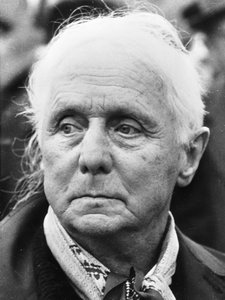
1891 - 1976 , Німеччина

Elevate your space with bold water landscapes and deep blue textures. Discover trending abstract art, from sculptural textiles to premium oil reproductions, designed to bring high-impact, liquid vibes to modern urban interiors.

Master the art of decorating with impact. Our expert guide decodes Giclée prints, exploring archival quality, pigment-based inks, and how to choose between high-fidelity reproductions and hand-painted oils for a bold, museum-grade aesthetic in your space.


Будьте в курсі останніх новин зі світу мистецтва, ексклюзивних пропозицій та ідей для декорування.
Розкажіть нам про свій проєкт, і наші експерти з мистецтва підготують для вас 3 персоналізовані пропозиції щодо творів мистецтва.
Дозвольте нам підібрати 3 варіанти спеціально для вас — безкоштовно!


 Переглянути в інтер'єрі
 Надіслати як листівку
 Поділитися
 Детальніше

 Завантажити
 Схожі експонати
 Рентгенівське дослідження
 Слайд-шоу

 Читати далі







 Скляний варіант доступний лише для розмірів до 110 см