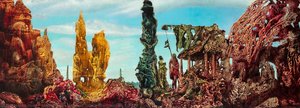
Написана вручну олією на полотні у вашому розмірі та рамі, виготовлена на замовлення нашими художниками. ( Купити принт Купити зображення)
Обирайте з наших стандартних розмірів, що відповідають оригінальним пропорціям твору мистецтва.

Ви можете вказати власні розміри, щоб репродукція ідеально підійшла до конкретної рами або інтер'єру. Якщо вибраний вами розмір не відповідає пропорціям оригіналу, ми або обріжемо полотно, або доповнимо картину додатковими елементами, промальованими вручну. Цифровий макет буде надіслано вам на затвердження перед початком виробництва.
Зверніть увагу, що попередній перегляд на екрані не відображає фактичне обрізання або розширення зображення. Тільки макет точно покаже остаточну композицію.
Хоча ми можемо виготовити виріб у нестандартному розмірі, для збереження оригінальних пропорцій рекомендуємо обирати варіанти зі встановленого списку.
Доставка по всьому світу () за 3–4 тижні замість стандартних 5 тижнів. (12 Серпень). Без жодних компромісів у якості.


Gai
Розмір репродукції
Max Ernst’s “Gai,” a deceptively simple black sculpture, transcends mere form to embody the restless spirit of Surrealism itself. Created sometime between 1928 and 1930 – a period marked by intense experimentation within the Dada movement and its subsequent embrace of psychoanalytic ideas – this piece represents more than just an aesthetically striking object; it’s a crystallized distillation of Ernst's intellectual preoccupation with subconscious processes.
The stark monochrome palette – a deliberate choice reflecting Ernst’s fascination with the void and the power of pure color—amplifies the sculpture's impact. Lines dominate the composition, primarily angular and sharply defined, creating a sense of rigidity and tension that mirrors the psychological complexities explored by Ernst throughout his oeuvre. Geometric forms – cubes, rectangles, and trapezoids – coalesce to construct the figure, emphasizing rational order against an underlying current of emotional resonance.
Historical Context: “Gai” emerged during the formative years of Surrealism, a movement born from the disillusionment following World War I and fueled by Sigmund Freud’s theories on dreams and unconscious desire. Ernst actively engaged with Dada's rebellious rejection of bourgeois values and embraced techniques like frottage – rubbing textured surfaces to transfer patterns onto paper – as tools for accessing hidden realms of imagination.
Symbolism & Emotional Impact: The sculpture’s angularity speaks volumes about the anxieties and uncertainties of its time, hinting at struggle and transformation. Like many Surrealist artworks, “Gai” invites contemplation on themes of duality, repression, and liberation – prompting viewers to confront their own subconscious fears and aspirations. Its minimalist aesthetic underscores Ernst's belief that art could communicate profound psychological truths without resorting to explicit imagery.
Макс Ернст, який народився 1 квітня 1891 року в Брюлі, Німеччина, під справжнім ім'ям Максиміліан Марія Ернст, був неспокійною душею, приреченою стати однією з найважливіях постатей у мистецтві XX століття. Його шлях не був звичайним академічним навчанням; це було самостійне дослідження, підживлене філософськими пошуками, психологічною цікавістю та глибоким розчаруванням у суспільних нормах. Батько Ернста, вчитель глухонімих і художник-аматор, прищепив йому як чутливість до навколишнього світу, так і бунтівний дух проти встановленої влади. Ця рання дуальність згодом стала визначальною рисою його художнього бачення.
Академічні заняття Ернста в Боннському університеті — що охоплювали філософію, історію мистецтв, літературу, психологію та психіатрію — були не просто розвагами, а фундаментальними елементами, які глибоко вплинули на його подальшу творчість. Його цікавило не лише те, як малювати; він намагався зрозуміти, чому. Ця інтелектуальна допитливість привела його до знайомства з революційними роботами Пікассо, Ван Гога та Гогена на виставці Зондербунд у Кельні в 1912 році — моменті, який безповоротно змінив його творчу траєкторію. Насіння модернізму було посіяне.
Катаклізм Першої світової війни став переломним моментом для Ернста. Його досвід солдата на Східному та Західному фронтах глибоко потряс його, породивши скептицизм щодо встановленого порядку та жагу до нових способів самовираження. Це розчарування знайшло родючий ґрунт у новому русі Дада, який він з ентузіазмом прийняв після повернення до Кельна в 1918 році. Разом із Гансом Арпом — другом і соратником на все життя — Ернст став центральною фігурою кельнської групи Дада, відкидаючи традиційні художні канони та обираючи абсурд, випадковість і антираціональність.
Однак Дада був лише сходинкою. На початку 1920-х років Ернст переїхав до Парижа і приєднався до лав сюрреалістів під проводом Андре Бретона. Це ознаменувало перехід до дослідження царства снів, несвідомого розуму та ірраціонального. Під впливом психоаналітичних теорій Зигмунда Фрейда, Ернст прагнув розкрити приховані глибини людського досвіду через своє мистецтво. Його не цікавило зображення реальності такою, якою вона здається; він прагнув виявити підсвідомі психологічні сили, що формують її.
Художня інноваційність Ернста виходила за межі тематики; він був невпинним експериментатором із технікою. Він не просто переймав існуючі методи — він створював нові. Мабуть, його найзначнішим внеском є фроттаж — процес перенесення текстури поверхні на папір шляхом розтирання олівця або вугілля, що дозволяло створювати несподівані та емоційні образи. Ця техніка, народжена з моменту нудьги під час споглядання текстури дерева, дозволила Ернсту доторкнутися до підсвідомого та генерувати форми, що не піддавалися свідомому контролю. Тісно пов'язаним був і гратаж, де фарба зішкреблася з полотна, відкриваючи нижні шари.
Він також майстерно використовував колаж, поєднуючи розрізнені елементи — зображення з журналів, наукові ілюстрації, фотографії — у сюрреалістичні композиції, що кидали виклик традиційним уявленням про репрезентацію. Ці техніки не були лише стилістичним вибором; вони були невід'ємною частиною його дослідження несвідомого та бажання зруйнувати художні межі. Його картини часто містять повторювані символічні образи: птахів (зокрема його альтер его Лоплопа), пустельні пейзажі, тривожні поєднання та всеохопне відчуття таємниці.
Початок Другої світової війни змусив Ернста покинути Європу і знайти притулок у Сполучених Штатах. Він продовжував малювати та експериментувати з новими техніками протягом усього періоду вигнання, зрештою повернувшись до Франції після війни, де залишався активним до самої смерті 1 квітня 1976 року в Парижі. Його вплив на наступні покоління митців є безмежним.
Внесок Макса Ернста у Дада та Сюрреалізм був справді революційним. Він кинув виклик мистецьким нормам, занурився в глибини підсвідомого розуму та винайшов інноваційні техніки, які продовжують надихати художників і сьогодні. Він не був просто живописцем; він був дослідником, провокатором і візіонером, який розширив межі самого мистецтва. Його творчість залишається свідченням сили уяви, привабливості ірраціонального та невпинного прагнення зрозуміти складність людської психіки.
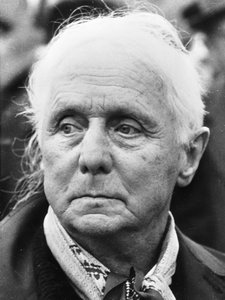
1891 - 1976 , Німеччина
Відкрийте для себе 25 найвідоміших картин Макса Ернста – символів сюрреалізму! Історія творчості, унікальні техніки та глибокий зміст. Репродукції високої якості для вашого інтер'єру на BuyPopArt.com.
Відкрийте 25 найвідоміших шедеврів Рене Магрітта! Зануртесь у світ сюрреалізму, дізнайтесь історії створення культових картин та знайдіть ідеї для декору з BuyPopArt.com. Репродукції високої якості – натхнення для вашого інтер'єру.
Explore the evolution of geometric abstraction from Cubism to contemporary art. Discover key artists like Malevich & Mondrian, investment insights, and expert collecting advice at BuyPopArt.
Explore the captivating world of geometric abstraction! Discover its origins, key artists like Malevich & Mondrian, and why this movement remains highly valued by art collectors today. Expert insights at BuyPopArt.

Відкрийте для себе 10 найдраматичніших картин в історії мистецтва! Караваджо, Мунк, Ван Гог та інші майстри. Історія створення шедеврів, емоції та техніки живопису. Репродукції високої якості для вашого інтер'єру на BuyPopArt.com


Будьте в курсі останніх новин зі світу мистецтва, ексклюзивних пропозицій та ідей для декорування.
Розкажіть нам про свій проєкт, і наші експерти з мистецтва підготують для вас 3 персоналізовані пропозиції щодо творів мистецтва.
Дозвольте нам підібрати 3 варіанти спеціально для вас — безкоштовно!


 Надіслати
 Поділитися
 Деталі

 Завантажити
 Схожі експонати
 Слайд-шоу
 Читати далі




































 Скляний варіант доступний лише для розмірів до 110 см