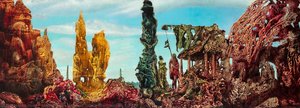
Написана вручну олією на полотні у вашому розмірі та рамі, виготовлена на замовлення нашими художниками. ( Замовити принт Купити цифрове зображення)





























Обирайте з наших стандартних розмірів, що відповідають оригінальним пропорціям твору мистецтва.

Ви можете вказати власні розміри, щоб репродукція ідеально підійшла до конкретної рами або інтер'єру. Якщо вибраний вами розмір не відповідає пропорціям оригіналу, ми або обріжемо полотно, або доповнимо картину додатковими елементами, промальованими вручну. Цифровий макет буде надіслано вам на затвердження перед початком виробництва.
Зверніть увагу, що попередній перегляд на екрані не відображає фактичне обрізання або розширення зображення. Тільки макет точно покаже остаточну композицію.
Хоча ми можемо виготовити виріб у нестандартному розмірі, для збереження оригінальних пропорцій рекомендуємо обирати варіанти зі встановленого списку.
Доставка по всьому світу () за 3–4 тижні замість стандартних 5 тижнів. (13 Серпень). Без жодних компромісів у якості.


untitled (1997)
Розмір репродукції
Max Ernst’s “The Birds,” completed in 1924, stands as an emblem of the Dada and Surrealist movements—a defiant rejection of rational thought and a fervent embrace of subconscious imagery. More than just a painting; it's a meticulously crafted manifesto of artistic liberation, reflecting Ernst’s profound skepticism towards bourgeois values and his fascination with primal instincts.
Ernst pioneered the technique of “frottage,” rubbing a textured surface—often paper or wood—with wax crayons to transfer its patterns onto another sheet. This process, combined with collage—assembling disparate materials like newspaper clippings, fabric scraps, and painted fragments—created an astonishingly complex visual tapestry. The resulting image isn’t merely observed; it's actively participated in by the viewer, inviting them into Ernst’s dreamlike realm.
"The Birds" emerged during Dada’s tumultuous period (1916-1923), a movement born from the horrors of World War I. Dada artists deliberately undermined artistic conventions, embracing absurdity and chance as tools for critique. They questioned established hierarchies—challenging notions of beauty, skill, and intellectual authority—and sought to dismantle societal illusions.
The painting’s central motif – a flock of birds dominating the composition – transcends literal representation. Ernst drew inspiration from ornithologist Oskar Kokoschka's research on bird behavior, interpreting their movements as symbolic of primal instincts and transformative processes. The birds aren’t merely decorative elements; they embody the artist’s belief in the power of subconscious forces to reshape perception.
"The Birds" exudes an unsettling atmosphere—a palpable sense of anxiety mingled with yearning. Ernst skillfully employs muted colors—primarily ochre, brown, and gray—to convey a feeling of desolate beauty. The fragmented landscape evokes the psychological turmoil experienced during the war years, mirroring Ernst’s own inner struggles. Yet, amidst the darkness lies a glimmer of hope—represented by the birds' upward trajectory, symbolizing aspiration and the possibility of transcendence.
A stunning reproduction of “The Birds” captures the essence of Ernst’s visionary style—a testament to his enduring influence on Surrealist art and a captivating glimpse into the depths of the human psyche.
Макс Ернст, який народився 1 квітня 1891 року в Брюлі, Німеччина, під справжнім ім'ям Максиміліан Марія Ернст, був неспокійною душею, приреченою стати однією з найважливіях постатей у мистецтві XX століття. Його шлях не був звичайним академічним навчанням; це було самостійне дослідження, підживлене філософськими пошуками, психологічною цікавістю та глибоким розчаруванням у суспільних нормах. Батько Ернста, вчитель глухонімих і художник-аматор, прищепив йому як чутливість до навколишнього світу, так і бунтівний дух проти встановленої влади. Ця рання дуальність згодом стала визначальною рисою його художнього бачення.
Академічні заняття Ернста в Боннському університеті — що охоплювали філософію, історію мистецтв, літературу, психологію та психіатрію — були не просто розвагами, а фундаментальними елементами, які глибоко вплинули на його подальшу творчість. Його цікавило не лише те, як малювати; він намагався зрозуміти, чому. Ця інтелектуальна допитливість привела його до знайомства з революційними роботами Пікассо, Ван Гога та Гогена на виставці Зондербунд у Кельні в 1912 році — моменті, який безповоротно змінив його творчу траєкторію. Насіння модернізму було посіяне.
Катаклізм Першої світової війни став переломним моментом для Ернста. Його досвід солдата на Східному та Західному фронтах глибоко потряс його, породивши скептицизм щодо встановленого порядку та жагу до нових способів самовираження. Це розчарування знайшло родючий ґрунт у новому русі Дада, який він з ентузіазмом прийняв після повернення до Кельна в 1918 році. Разом із Гансом Арпом — другом і соратником на все життя — Ернст став центральною фігурою кельнської групи Дада, відкидаючи традиційні художні канони та обираючи абсурд, випадковість і антираціональність.
Однак Дада був лише сходинкою. На початку 1920-х років Ернст переїхав до Парижа і приєднався до лав сюрреалістів під проводом Андре Бретона. Це ознаменувало перехід до дослідження царства снів, несвідомого розуму та ірраціонального. Під впливом психоаналітичних теорій Зигмунда Фрейда, Ернст прагнув розкрити приховані глибини людського досвіду через своє мистецтво. Його не цікавило зображення реальності такою, якою вона здається; він прагнув виявити підсвідомі психологічні сили, що формують її.
Художня інноваційність Ернста виходила за межі тематики; він був невпинним експериментатором із технікою. Він не просто переймав існуючі методи — він створював нові. Мабуть, його найзначнішим внеском є фроттаж — процес перенесення текстури поверхні на папір шляхом розтирання олівця або вугілля, що дозволяло створювати несподівані та емоційні образи. Ця техніка, народжена з моменту нудьги під час споглядання текстури дерева, дозволила Ернсту доторкнутися до підсвідомого та генерувати форми, що не піддавалися свідомому контролю. Тісно пов'язаним був і гратаж, де фарба зішкреблася з полотна, відкриваючи нижні шари.
Він також майстерно використовував колаж, поєднуючи розрізнені елементи — зображення з журналів, наукові ілюстрації, фотографії — у сюрреалістичні композиції, що кидали виклик традиційним уявленням про репрезентацію. Ці техніки не були лише стилістичним вибором; вони були невід'ємною частиною його дослідження несвідомого та бажання зруйнувати художні межі. Його картини часто містять повторювані символічні образи: птахів (зокрема його альтер его Лоплопа), пустельні пейзажі, тривожні поєднання та всеохопне відчуття таємниці.
Початок Другої світової війни змусив Ернста покинути Європу і знайти притулок у Сполучених Штатах. Він продовжував малювати та експериментувати з новими техніками протягом усього періоду вигнання, зрештою повернувшись до Франції після війни, де залишався активним до самої смерті 1 квітня 1976 року в Парижі. Його вплив на наступні покоління митців є безмежним.
Внесок Макса Ернста у Дада та Сюрреалізм був справді революційним. Він кинув виклик мистецьким нормам, занурився в глибини підсвідомого розуму та винайшов інноваційні техніки, які продовжують надихати художників і сьогодні. Він не був просто живописцем; він був дослідником, провокатором і візіонером, який розширив межі самого мистецтва. Його творчість залишається свідченням сили уяви, привабливості ірраціонального та невпинного прагнення зрозуміти складність людської психіки.
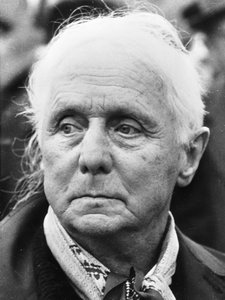
1891 - 1976 , Німеччина
Відкрийте для себе 25 найвідоміших картин Макса Ернста – символів сюрреалізму! Історія творчості, унікальні техніки та глибокий зміст. Репродукції високої якості для вашого інтер'єру на BuyPopArt.com.
Відкрийте 25 найвідоміших шедеврів Рене Магрітта! Зануртесь у світ сюрреалізму, дізнайтесь історії створення культових картин та знайдіть ідеї для декору з BuyPopArt.com. Репродукції високої якості – натхнення для вашого інтер'єру.

Embark on a journey through the subconscious with our expert guide to Surrealism. Discover the profound symbolism of masters like Dalí and Ernst, exploring how dreamlike imagery reshaped art history and continues to inspire collectors and enthusiasts worldwide.

Explore the captivating world of Pop Surrealism. Discover how vibrant Pop Art meets dreamlike subconscious imagery through the works of masters like Jeff Soto and Ryan Heshka. An expert guide for discerning collectors seeking to understand this profound contemporary art movement.
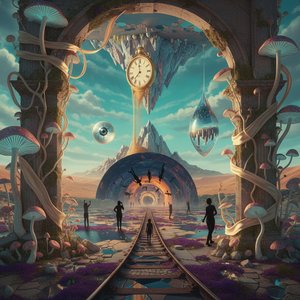
Explore the fascinating world of Surrealism! Discover its origins, key artists like Dalí & Magritte, and enduring influence on art & culture. Expert insights & high-quality reproductions at BuyPopArt.


Будьте в курсі останніх новин зі світу мистецтва, ексклюзивних пропозицій та ідей для декорування.
Розкажіть нам про свій проєкт, і наші експерти з мистецтва підготують для вас 3 персоналізовані пропозиції щодо творів мистецтва.
Дозвольте нам підібрати 3 варіанти спеціально для вас — безкоштовно!


 Переглянути в інтер'єрі
 Надіслати як листівку
 Поділитися
 Детальніше

 Завантажити
 Схожі експонати
 Рентгенівське дослідження
 Слайд-шоу
 Читати далі







 Скляний варіант доступний лише для розмірів до 110 см