Олія на полотніНастінний декорEarly Renaissance
 1496— Відродження
 47.0 x 41.0 cm
Музейна якість друку جيкле або на полотні з оперативним виготовленням та різноманітними варіантами фінішної обробки. ( Перейти до замовлення ручного розпису Перейти до зображення)


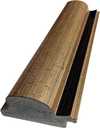

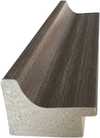
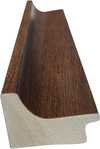
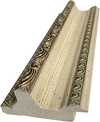

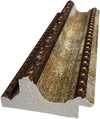
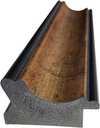
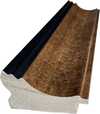






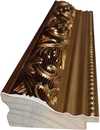
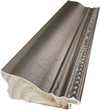
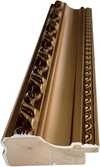
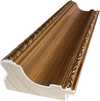




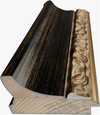
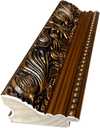
Обирайте з наших стандартних розмірів, що відповідають оригінальним пропорціям твору мистецтва.

Ви можете вказати власні розміри, щоб репродукція ідеально підійшла до конкретної рами або інтер'єру. Якщо обраний вами розмір не відповідає пропорціям оригіналу, ми або обріжемо полотно, або розширимо зображення за допомогою дзеркального відображення чи суцільної заливки країв. Перед початком виробництва вам буде надіслано цифровий макет для затвердження.
Будь ласка, зверніть увагу, що попередній перегляд на екрані не відображає фактичне обрізання або розширення. Тільки макет точно покаже фінальну композицію.
Хоча можливість замовлення індивідуальних розмірів доступна, ми рекомендуємо обирати формат із попередньо визначеного списку, щоб зберегти оригінальні пропорції.
Доставка по всьому світу () за 2 тижні замість стандартних 4/5 тижнів. (3 Серпень)


The outcast
Розмір репродукції
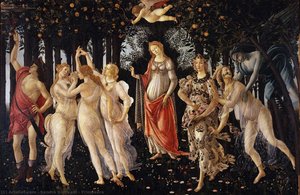
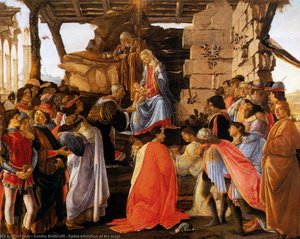
Created in 1496, Sandro Botticelli's "The Outcast" is a deeply moving depiction of human sorrow and isolation. This intimate work offers a poignant glimpse into the emotional landscape of the Renaissance, diverging from his more celebrated mythological scenes to focus on raw, relatable feeling.
The painting centers around a solitary female figure seated upon stone steps, set against the backdrop of what appears to be ancient Roman ruins. Her posture—head bowed, hands clasped loosely in her lap—speaks volumes about grief and despair. The composition is powerfully vertical, emphasized by the archway, the descending steps, and the woman’s own form. This creates a sense of enclosure and confinement, visually mirroring her emotional state. The figure isn't actively *doing* anything; she simply *is*, lost in contemplation or mourning.
Botticelli masterfully employs an oil painting technique characterized by soft blending and subtle gradations of color. The palette is restrained, dominated by warm browns, ochres, and pinkish-red tones that contribute to the melancholic atmosphere. Lines are gentle and flowing, lending a sense of vulnerability to the figure. While rooted in the traditions of early Renaissance realism, “The Outcast” also hints at the emotional intensity that would come to define Romanticism. The texture is suggested through delicate shading, evoking the rough surface of the stone and the weight of the draped fabric.
Late 15th-century Florence was a period of significant social and political upheaval, marked by religious fervor and anxieties. While the precise meaning remains open to interpretation, “The Outcast” likely reflects these broader cultural concerns. The Roman ruins themselves symbolize decay, loss, and the transience of earthly power. Some scholars suggest the figure represents a penitent Magdalene or embodies a more universal experience of suffering and exile. Botticelli’s choice to depict such a vulnerable subject matter is notable, particularly given his earlier focus on idealized beauty.
“The Outcast” isn't a painting that shouts; it whispers. Its power lies in its quiet intimacy and the universality of its theme—the experience of loss, loneliness, and profound sadness. The work invites viewers to empathize with the figure’s plight and contemplate their own experiences of sorrow. It is a testament to Botticelli’s skill as an artist that he can convey such depth of emotion with such restraint.
“The Outcast” stands as a powerful reminder of the enduring human capacity for both suffering and resilience—a timeless work that continues to resonate with audiences centuries after its creation.
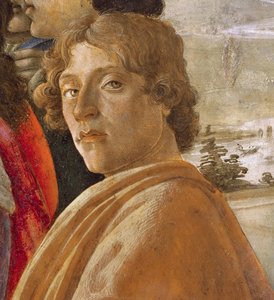
1445 - 1510 , Італія

Відкрийте для себе 25 шедеврів Сандро Боттічеллі! Дослідіть історії створення "Народження Венери", "Весни" та інших культових картин Відродження. Репродукції високої якості для вашого дому – BuyPopArt.

Відкрийте для себе 10 шедеврів Ренесансу від Леонардо да Вінчі, Рафаеля та Мікеланджело! Історія мистецтва, техніки живопису та натхнення для вашого дому. Репродукції картин високої якості – BuyPopArt.com
Відкрийте для себе 25 шедеврів Alte Pinakothek у Мюнхені! Історія Рафаеля, Дюрера та інших геніїв Ренесансу й Бароко. Купіть репродукції картин онлайн на BuyPopArt.com – мистецтво для вашого дому.
Відкрийте для себе 25 шедеврів Уффіці, Флоренція! Історія Леонардо да Вінчі, Боттічеллі та Рафаеля. Репродукції картин онлайн – натхнення для вашого дому від BuyPopArt.com.
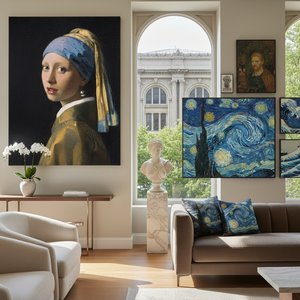
Відкрийте для себе 25 найвідоміших шедеврів Метрополітен-музею! Історія мистецтва від Ван Гога до Моне. Репродукції картин онлайн – надихайтесь та створіть власний розкішний інтер'єр з BuyPopArt.com.


Будьте в курсі останніх новин зі світу мистецтва, ексклюзивних пропозицій та ідей для декорування.
Розкажіть нам про свій проєкт, і наші експерти з мистецтва підготують для вас 3 персоналізовані пропозиції щодо творів мистецтва.
Дозвольте нам підібрати 3 варіанти спеціально для вас — безкоштовно!


 Переглянути в інтер'єрі
 Надіслати
 Поділитися
 Деталі

 Завантажити
 Схожі експонати
 Рентгенівське дослідження
 Слайд-шоу
 Читати далі

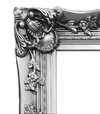
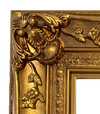
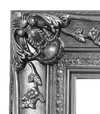
 Скляний варіант доступний лише для розмірів до 110 см