

 Acrylic On CanvasWallArtContemporary Realism
 1965
1965 29.0 x 21.0 cm
 Фундація Серралуш
Написана вручну олією на полотні у вашому розмірі та рамі, виготовлена на замовлення нашими художниками. ( Замовити принт Купити цифрове зображення)





























Обирайте з наших стандартних розмірів, що відповідають оригінальним пропорціям твору мистецтва.

Ви можете вказати власні розміри, щоб репродукція ідеально підійшла до конкретної рами або інтер'єру. Якщо вибраний вами розмір не відповідає пропорціям оригіналу, ми або обріжемо полотно, або доповнимо картину додатковими елементами, промальованими вручну. Цифровий макет буде надіслано вам на затвердження перед початком виробництва.
Зверніть увагу, що попередній перегляд на екрані не відображає фактичне обрізання або розширення зображення. Тільки макет точно покаже остаточну композицію.
Хоча ми можемо виготовити виріб у нестандартному розмірі, для збереження оригінальних пропорцій рекомендуємо обирати варіанти зі встановленого списку.
Доставка по всьому світу () за 3–4 тижні замість стандартних 5 тижнів. (14 Серпень). Без жодних компромісів у якості.


Sem título
Розмір репродукції
Sigmar Polke’s “Sem título,” created in 1968, stands as an arresting testament to the burgeoning aesthetic of capitalist realism—a movement that sought to depict everyday life with unflinching honesty, mirroring the visual language of advertising and documentary filmmaking. More than just a photographic collage, it's a carefully constructed puzzle designed to challenge our assumptions about how we perceive the world around us.
The artwork itself comprises a grid of black and white photographs meticulously arranged on canvas. Each image depicts seemingly banal objects—a lemon, a pear, a piece of fruit—presented in starkly lit studio conditions. These aren’t idealized representations; they are rendered with a deliberate lack of polish, capturing the subtle imperfections inherent in natural forms. This technique deliberately rejects the romanticism prevalent in earlier artistic movements and embraces instead the cold precision demanded by the emerging economic order.
Polke’s masterful manipulation of photographic emulsion is crucial to understanding the piece's impact. He employed a process known as “photogram,” where he placed objects directly onto photographic paper coated with light-sensitive chemicals—without any camera involved. This method captures an imprint of the object’s surface texture and tonal variations, resulting in images that appear almost ghostly, devoid of traditional perspective or depth.
The choice of black and white contributes significantly to the artwork's mood. It eliminates color distractions, forcing viewers to focus on form and texture—elements Polke skillfully exploits to convey a sense of quiet contemplation. The canvas itself is treated with a matte varnish, further diffusing light and enhancing the subtle nuances of grayscale.
“Sem título” emerged during a period of profound societal transformation in Germany following the Second World War. Capitalism was rapidly gaining dominance, reshaping cultural landscapes and influencing artistic sensibilities. Polke’s work directly confronts this shift by presenting familiar subjects—fruit—in a manner that simultaneously celebrates and interrogates their materiality. It's a subtle critique of consumer culture, questioning whether we truly see what is before us or if our perceptions are shaped by preconceived notions.
The grid format reinforces this conceptual framework. By juxtaposing multiple images side-by-side, Polke disrupts any easy narrative flow and compels the viewer to actively engage in interpreting the visual information presented. This deliberate fragmentation mirrors the complexities of modern experience—the way in which our understanding of reality is constantly mediated by external forces.
Despite its intellectual rigor, “Sem título” possesses a remarkable emotional resonance. The stillness of the images—captured without movement—invites viewers to slow down and consider their own gaze. There’s an unspoken invitation to observe closely, to appreciate the subtle beauty hidden within seemingly ordinary objects.
Ultimately, Polke's “Sem título” transcends mere representation; it becomes a meditation on perception itself. It reminds us that what we see is not simply what exists but rather how our minds interpret and process sensory input—a profound statement about the human condition that continues to resonate with audiences today.
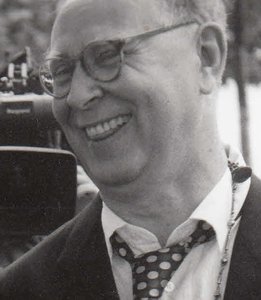
1941 - 2010 , Польща

Discover why black & white photography remains a powerful force in contemporary art. Explore the impact of light, shadow, and texture through a visual journey of monochrome mastery and learn how to elevate your space with timeless grayscale aesthetics.


Будьте в курсі останніх новин зі світу мистецтва, ексклюзивних пропозицій та ідей для декорування.
Розкажіть нам про свій проєкт, і наші експерти з мистецтва підготують для вас 3 персоналізовані пропозиції щодо творів мистецтва.
Дозвольте нам підібрати 3 варіанти спеціально для вас — безкоштовно!


 Переглянути в інтер'єрі
 Надіслати як листівку
 Поділитися
 Детальніше

 Завантажити
 Схожі експонати
 Рентгенівське дослідження
 Слайд-шоу
 Читати далі







 Скляний варіант доступний лише для розмірів до 110 см


