Georges Braque’s “Ruffed”: A Study in Movement and Modernity
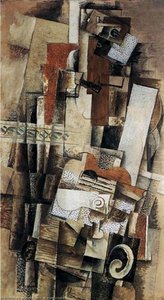
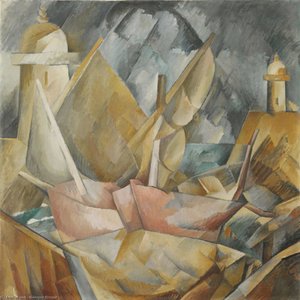
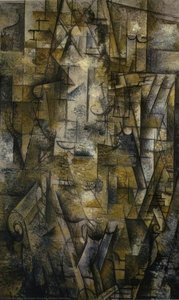
Georges Braque's "Ruffed," a captivating black and white depiction of a horse and rider, stands as a pivotal work within the artist’s early explorations of Cubism. Executed with a meticulous attention to detail characteristic of his training as a house painter – a lineage that profoundly shaped his approach to form and structure – the painting embodies Braque's nascent desire to dismantle traditional representational techniques. The scene itself, depicting a group of horses in motion, immediately draws the viewer into a dynamic composition, suggesting not just a static image but an active narrative. The rider’s posture, comfortable yet alert, adds a layer of human interaction to the equine subject, inviting contemplation on themes of control, partnership, and perhaps even the relationship between humanity and nature.
Technique and Composition: Deconstructing Reality
- Monochromatic Palette: Braque’s masterful use of black and white elevates the painting beyond a simple depiction. The absence of color forces the viewer to focus entirely on form, texture, and spatial relationships – core tenets of Cubist thought.
- Fragmented Forms: While not fully embracing the radical fragmentation of Picasso's work at this stage, "Ruffed" demonstrates Braque’s early experimentation with breaking down objects into geometric components. The horse is rendered through overlapping planes and angles, subtly challenging the viewer’s perception of a unified whole.
- Compositional Depth: Despite the fragmented forms, Braque skillfully creates an illusion of depth through careful layering and perspective. The background horses recede into space, drawing the eye towards the central figure and reinforcing the sense of movement within the scene.
Historical Context and Influences
Created during a period of immense artistic ferment at the turn of the 20th century, “Ruffed” reflects the broader shift occurring in European art. Braque’s work was profoundly influenced by Paul Cézanne's emphasis on geometric forms and his exploration of multiple viewpoints within a single image. Furthermore, he engaged with the ideas of Post-Impressionism, particularly Van Gogh’s expressive brushwork and Gauguin’s interest in primitive art. The painting represents an important bridge between these influences and Braque’s eventual development of Cubism – a movement that would fundamentally alter the course of modern art.
Symbolic Resonance and Emotional Impact
"Ruffed" transcends a mere equestrian scene; it speaks to fundamental human experiences. The horse, a symbol of power, freedom, and nobility throughout history, is presented with an understated dignity. The rider’s presence suggests control and mastery, yet the dynamic composition hints at vulnerability and the unpredictable nature of life. The overall effect is one of quiet contemplation – a moment captured in time that invites viewers to consider themes of movement, balance, and the enduring connection between humans and animals. This piece offers a glimpse into Braque's innovative spirit and his willingness to challenge established artistic conventions, making it a compelling addition to any collection.


 效果预览
效果预览
 购买手绘画作
 分享
分享 分享
分享
 详情
详情

 下载
下载
 相似作品
相似作品 X射线
X射线 幻灯片播放
幻灯片播放

 展开详情
展开详情






































 玻璃选项仅适用于110厘米以下的尺寸。