

 Oil On CanvasWallArtPioneering British Post-Impressionism
 1914
1914 52.0 x 61.0 cm
 威尔士国家博物馆
博物馆级艺术微喷或帆布版画,制作高效,并提供多种饰面选择。 ( Switch to hand made Painting Switch to Image)
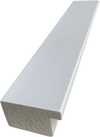
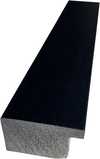
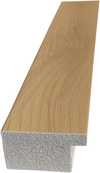
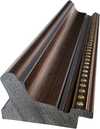
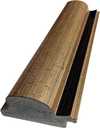
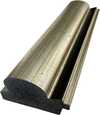
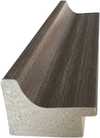
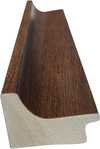
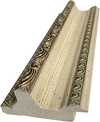
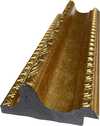
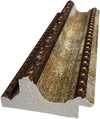
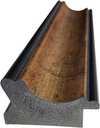
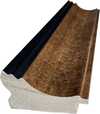
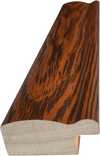
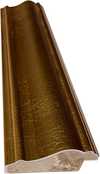
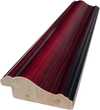
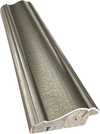
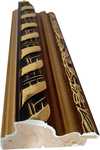
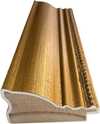
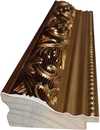
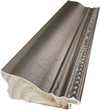
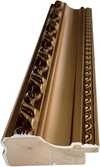
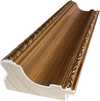
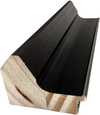
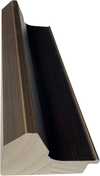
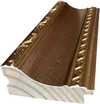
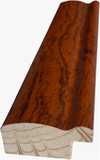
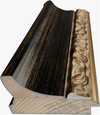
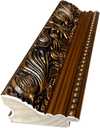
从与原作比例一致的预设尺寸中进行选择。

您可以输入自定义尺寸,以适配特定的画框或空间。如果您选择的尺寸与原图比例不符,我们将对作品进行裁剪,或通过镜像填充/纯色填充边缘的方式来扩展图像。在开始制作之前,我们会向您发送一份数字效果图供您确认。
请注意,屏幕上的预览并不能反映实际的裁剪或扩展效果。只有效果图才能准确展示最终的构图。
虽然我们提供定制尺寸,但为了保持原图比例,我们建议您从预设列表中选择尺寸。

Maples at Cuckfield
复制品尺寸
Robert Bevan's “Maples at Cuckfield,” painted in 1914, isn’t merely a landscape; it’s an immersion into the heart of early 20th-century British art and a poignant reflection on rural England. More than just depicting trees and fields, this oil painting captures a fleeting moment – a sunlit afternoon where light dances through foliage, illuminating a quiet scene of domestic tranquility. Bevan, a key figure in the Camden Town Group, masterfully blends elements of realism with an Impressionistic sensibility, creating a work that is both meticulously observed and imbued with a palpable sense of atmosphere.
The painting immediately draws the eye to the foreground, dominated by two cows grazing peacefully amidst the vibrant greens and browns of the field. Their presence anchors the scene, grounding it in the everyday realities of rural life – a theme prevalent throughout Bevan’s work. A solitary figure stands near the center, seemingly observing this pastoral tableau, adding a subtle layer of human connection to the natural world. The composition is carefully balanced, with the fence acting as a visual frame that directs the eye through the scene and establishes depth. Notice how the artist uses a slightly off-center placement of the horse on the right, creating a dynamic counterpoint to the stillness of the cows.
Bevan's skill lies not just in his subject matter but also in his masterful manipulation of light and color. He employs broken brushstrokes – a hallmark of Impressionism – to capture the shifting qualities of sunlight filtering through the maple trees. The colors aren’t blended smoothly; instead, they are applied in distinct patches, creating a shimmering effect that mimics the dappled light on the leaves. The artist uses a vibrant palette, favoring rich greens and yellows alongside earthy browns and blues, resulting in a luminous and dynamic composition. This technique wasn't simply about replicating what he saw; it was about conveying how he *felt* looking at the scene – the warmth of the sun, the freshness of the air, the quiet beauty of the countryside.
The painting’s style is deeply rooted in the artistic currents of its time. Bevan's work reflects the influence of Post-Impressionism and particularly the techniques pioneered by Paul Gauguin and Vincent van Gogh. However, unlike these artists, Bevan retains a certain restraint, avoiding the overtly expressive brushwork that characterized some of their later works. Instead, he focuses on capturing the subtle nuances of light and color with remarkable precision.
“Maples at Cuckfield” was painted during a period of significant social and political change in Britain. The early 20th century witnessed rapid industrialization, urbanization, and the decline of traditional rural life. Bevan’s paintings often served as a poignant reminder of this disappearing world – a celebration of the beauty and tranquility that were threatened by progress. The painting can be interpreted as a meditation on the relationship between humanity and nature, suggesting a longing for simpler times and a connection to the land.
Beyond its aesthetic qualities, “Maples at Cuckfield” offers a valuable glimpse into the artistic landscape of early 20th-century Britain. It’s a testament to Bevan's innovative spirit and his ability to capture the essence of a moment in time with remarkable skill and sensitivity. Reproductions of this captivating artwork offer a beautiful way to bring a touch of rural serenity into any space, connecting viewers to the timeless beauty of the English countryside.

1865 - 1925 , 英国
探索保罗·塞尚25幅经典杰作!深入了解后印象派大师的艺术生涯、独特技法与色彩运用。BuyPopArt提供高清油画复制品,为您的家居带来博物馆级艺术体验。立即发现更多名画,点亮生活空间!
探索克劳德·莫奈25幅杰作,沉浸于印象派大师的光影世界。从《睡莲》到《日出·印象》,感受色彩与情感的完美交融。BuyPopArt.com提供博物馆级艺术复制品,为您的家居带来臻选装饰灵感!立即探索完整系列。
Journey through 10 breathtaking landscape paintings by Monet, Van Gogh & more! Explore iconic artworks, artistic techniques & find inspiration for your home decor. Museum-quality reproductions at BuyPopArt.com. Discover all masterpieces on BuyPopArt.com

Transform your wedding venue into timeless art! Discover the beauty of bespoke paintings & commissions with 's expert artists. Create a unique, luxurious keepsake.

探索浪漫主义风景画的巅峰!本文精选十部经典名作,带您领略莫奈、库尔贝等大师的艺术魅力。感受色彩与光影的诗意,重温自然风光的震撼。BuyPopArt.com为您提供博物馆级别的艺术复制品和个性化家居装饰方案。尽在BuyPopArt.com!


第一时间获取最新的艺术新闻、独家优惠及装饰灵感。
向我们介绍您的项目需求,我们的艺术专家将为您提供 3 个个性化的艺术品推荐。
由我们的专家为您精选 3 款心仪之作 —— 完全免费!


 Preview
 分享
分享 分享
分享
 详情
详情

 下载
下载
 相似作品
相似作品 X射线
X射线 幻灯片播放
幻灯片播放 展开详情
展开详情
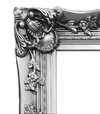
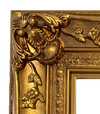
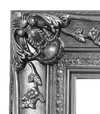


 玻璃选项仅适用于110厘米以下的尺寸。


