x


Museum-quality giclée or canvas print with fast production and flexible finish options.
Pick from our preset sizes that match the artwork's original proportions.

You may enter your own dimensions to fit a specific frame or space. If your selected size does not match the original image's proportions, we will either crop the artwork or extend the image with a mirrored or solid-fill edge. A digital mockup will be sent for your approval before production begins.
Please note that the on-screen preview does not reflect the actual cropping or extension. Only the mockup will accurately show the final composition.
While custom sizes are available, we recommend selecting a dimension from the predefined list to preserve the original proportions.
Worldwide Delivery () in 2 weeks instead of standard 4/5 weeks. (16 July)


Giant Binoculars
Reproduction Size
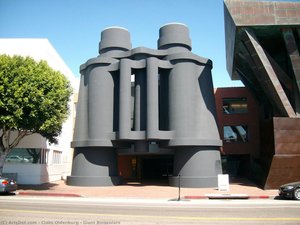
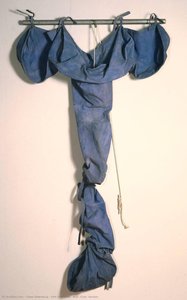
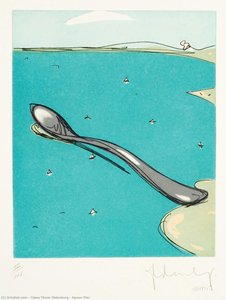
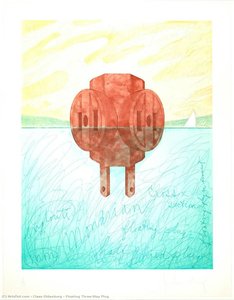
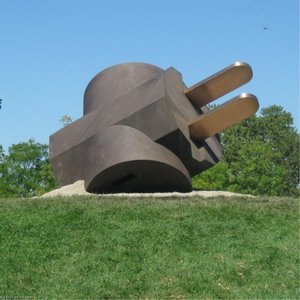
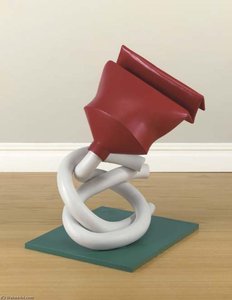
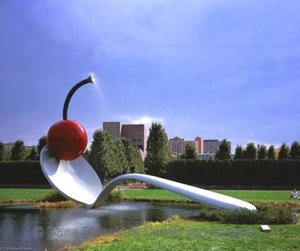
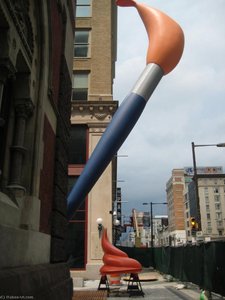
To encounter Claes Oldenburg’s Giant Binoculars is not merely to view sculpture; it is to experience an abrupt, delightful confrontation with the monumental scale of the mundane. This piece, permanently affixed to the façade of a major urban edifice, transforms everyday instruments—the very tools of observation and curiosity—into colossal statements. Oldenburg, whose genius lay in elevating the commonplace to the realm of high art, forces us to reconsider what we take for granted about our surroundings. The sheer scale of these binoculars, towering over the streetscape alongside passing automobiles, imbues them with an almost architectural presence, making the viewer feel simultaneously dwarfed and intimately observed.
Emerging from the vibrant currents of Pop Art, Oldenburg’s work consistently challenged the established boundaries between art and life. While his early explorations touched upon Surrealist whimsy, it was in works like this that he mastered the art of monumentalizing the everyday object. The setting itself—a bustling urban nexus suggested by the surrounding vehicles—is integral to the piece's narrative. It speaks to a city perpetually looking outward, always scanning for the next spectacle or detail. Technically, the sculpture utilizes metalwork, giving it an industrial permanence that contrasts beautifully with the inherent playfulness of its subject matter. This juxtaposition is key; the robust, permanent material houses an object designed for fleeting moments of vision.
What does a giant pair of binoculars symbolize? At its heart, it speaks to human curiosity—our innate desire to see further, to know more, to peer into the unseen. Oldenburg invites us to pause our hurried urban momentum and engage in an act of deliberate looking. The sculpture acts as a visual punctuation mark on the relentless flow of city life. It suggests that even amidst the chaos of commerce and movement, there remains a space for contemplation, a moment where one can figuratively zoom out from the immediate rush and gain a broader perspective on existence itself. For collectors and designers, this symbolism offers profound depth; it is an object that encourages dialogue about perception.
While the original installation commands the skyline, the spirit of Giant Binoculars can bring its playful grandeur into a curated interior space. Reproductions allow us to engage with Oldenburg’s masterful handling of scale and subject matter without requiring an entire building façade. Imagine this iconic form rendered in a material suited for your environment—a nod to Pop Art's embrace of mass culture, yet executed with the meticulous care expected of fine art reproduction. It serves not just as decoration, but as a conversation starter, a vibrant piece that whispers tales of 20th-century artistic rebellion and enduring human wonder.

1929 - 2022 , Sweden
Journey through 25 iconic artworks at the Metropolitan Museum of Art! Explore Van Gogh, Monet, Rembrandt & more. Discover art history, inspiring stories, and museum-quality reproductions to elevate your home decor. Explore the full collection on BuyPopArt.com.

Journey through art history with our Top 10 bronze sculptures! Explore masterpieces by Rodin, Michelangelo & more. Discover stories behind iconic statues and find museum-quality reproductions for your home decor at BuyPopArt.com.
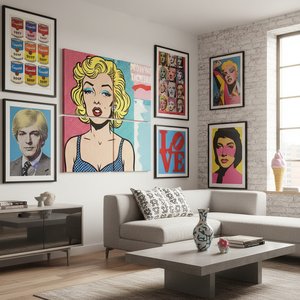
Explore 10 defining Pop Art masterpieces – from Warhol’s iconic Marilyn to Lichtenstein's bold dots. Discover the stories behind these revolutionary artworks & find museum-quality reproductions for your home at .

Explore the rich history of sculpture from ancient masterpieces to contemporary innovations. Discover key techniques, influential artists & investment potential for discerning art collectors.
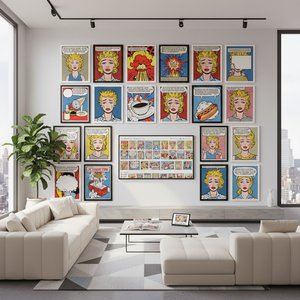
Explore Roy Lichtenstein's 25 most iconic Pop Art masterpieces! Discover the stories behind 'Drowning Girl', 'Look Mickey' & more. Find museum-quality reproductions and elevate your home decor with BuyPopArt. Explore the full collection online.


Stay updated with the latest art news, exclusive offers, and decoration ideas.
Tell us about your project and our art experts will provide you with 3 personalized art suggestions.
Let Us Curate 3 Options Just for You - Free!


 Buy Painting
 Send
Send Share
Share
 Details

 Download
 Similars
 X-Ray
X-Ray Diaporama


 Read More
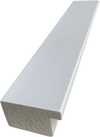
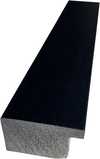
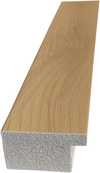
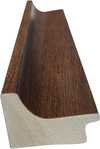
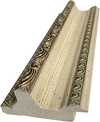
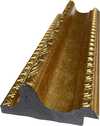
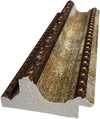
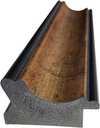
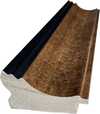
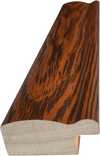
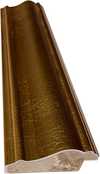
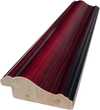
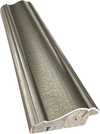
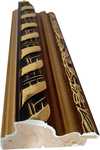
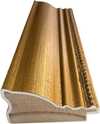
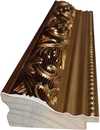
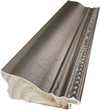
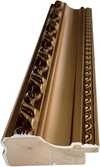
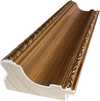
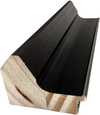
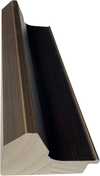
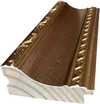
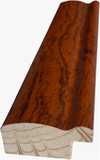
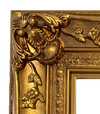
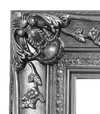
 Glass option is only available in size under 110 CM